Oct 30, 11:01 AM
Serbia's Student Revolution Faces the Cold Reality of Power
After defeating the ruling party, a disparate group of political novices demands a purge of the security apparatus while Belgrade's geopolitical limbo persists.
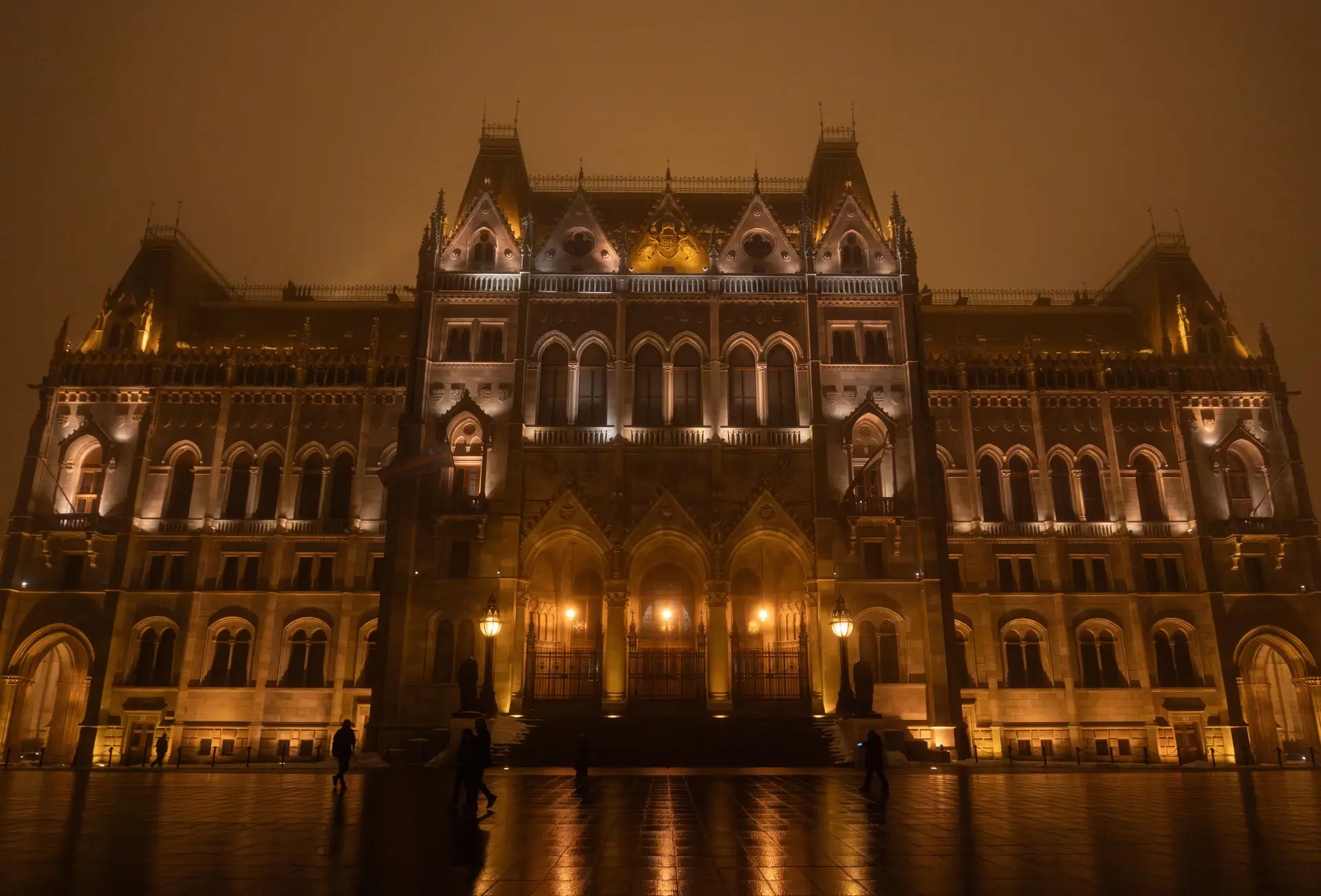
Serbian voters have staged a dramatic intervention, turning away from Aleksandar Vučić’s ruling apparatus and handing parliamentary authority to a collection of political newcomers. Assembled by university committees, the 141 newly elected members of the Student List—a diverse coalition including university professors, athletes, and twelve medical doctors—have moved rapidly from street protests to demanding sweeping resignations across the police force, judiciary, and the BIA security agency.
The movement’s political ascension was triggered by the November 2024 infrastructure failure in Novi Sad, where a railway station canopy collapse claimed 16 lives. The catastrophe exposed the systemic graft embedded within public institutions. Equipped with a 1,200-page policy platform, the new lawmakers intend to halt state plunder, claw back public funds, and introduce a lustration law to exclude figures of the old regime from future public administration. Early departures have already begun, notably with the resignation of state broadcaster RTS director Manja Grčić, while executives at Telekom Srbija face similar pressure.
Yet, replacing institutional personnel is easier than dismantling a persistent political culture. For over a decade, Belgrade has maintained a posture of strategic ambiguity, attempting to play all sides. By refusing to join international sanctions against Moscow since 2022, Serbia secured discounted Russian natural gas, all while holding long-standing EU candidacy status. This balancing act has produced a stagnant economy and an exaggerated sense of geopolitical importance.
Brussels was quick to issue its standard bureaucratic blessing, offering support for institutional reforms. However, European officials may be overestimating their own leverage. The student manifesto conspicuously treats the European bloc not as an ideological home, but simply as a primary economic partner. The EU apparatus continues to project its own administrative ambitions onto a country that has spent years sitting comfortably in geopolitical limbo.
The immediate challenge for the new parliamentary contingent is executing reforms before the political climate shifts again. Former central bank governor Dejan Šoškić emphasizes the urgency of opening media channels and establishing anti-corruption frameworks. Meanwhile, acting president Ana Brnabić has accused the incoming majority of preferring political purges over established legal procedures. With presidential elections scheduled for December and Vučić promising a swift political return, Serbia’s inexperienced legislators must discover whether a moral mandate can survive the messy reality of state control.
Written by Thorben Thiede thorben.thiede@alpineweekly.com