Nov 5, 5:01 AM
Salvadoran Military Expands Presence in Haiti Following Disappearance of Technicians
President Nayib Bukele deploys over 2,000 troops as joint security operations search for missing personnel amid escalating gang violence.
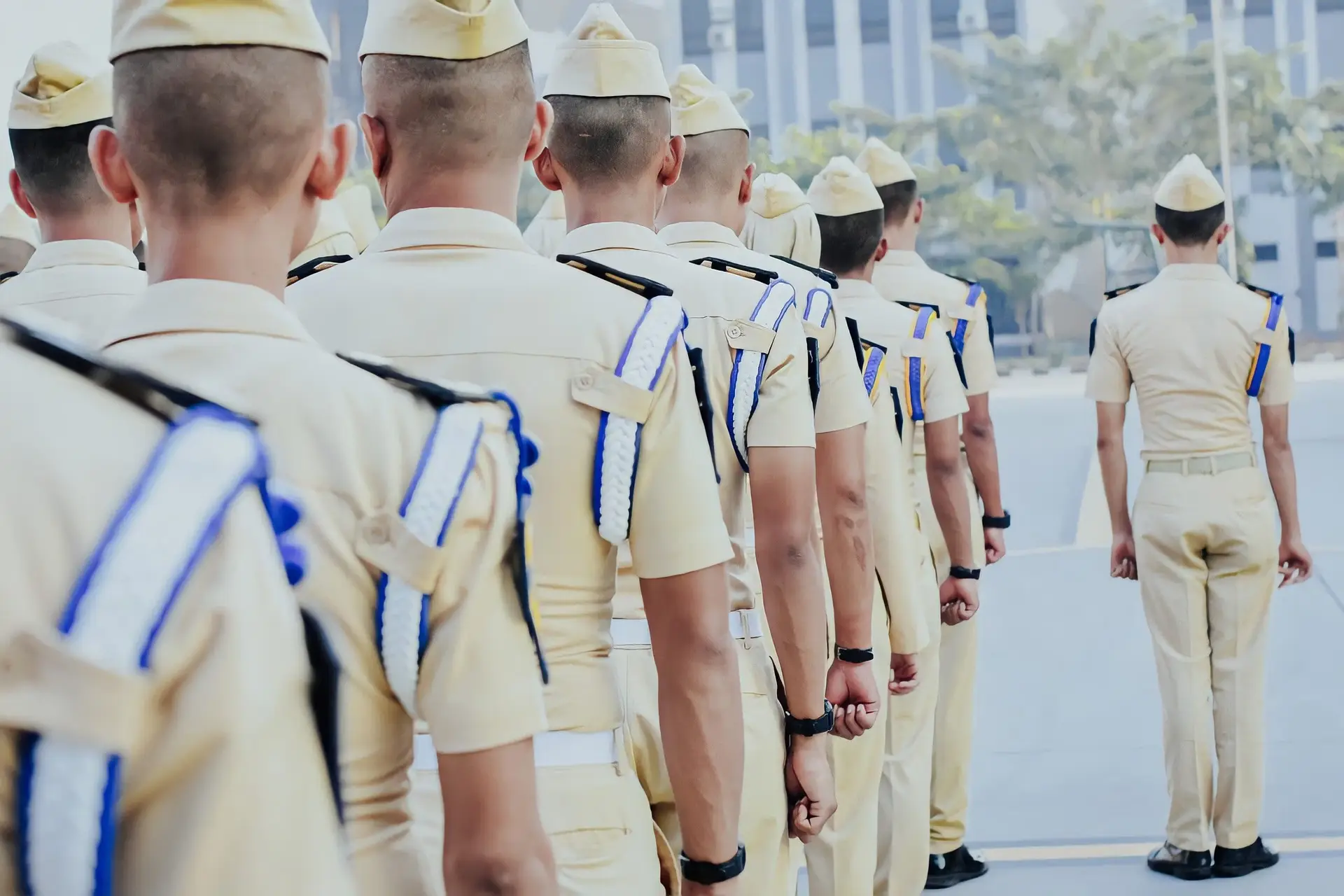
Salvadoran military forces have expanded operations in Haiti following the dispatch of over 2,000 soldiers ordered by President Nayib Bukele. The deployment was initiated after four Salvadoran aviation technicians vanished on October 18 in gang-controlled territory outside Port-au-Prince.
Haitian authorities confirmed that joint patrols discovered the burned wreckage of a truck used by the missing technicians in the Santo neighborhood of Croix-des-Bouquets. The search operation involved Haitian police, Salvadoran troops, and members of the United Nations-backed Gang Suppression Force. Bukele released video footage showing Salvadoran military helicopters engaging armed groups that were attacking troops from Chad.
The rapid expansion of Salvadoran military activity has drawn scrutiny regarding command structures and legal oversight. Stephane Dujarric, spokesman for the UN Secretary-General, noted that only about 200 of the 2,000 Salvadoran troops operate within the official framework of the multinational force. Dujarric stated, “What is important is that any security operation be done within the framework of international human rights law, of international law, and that people’s rights need to be respected as you conduct security operations.”
Haitian Prime Minister Alix Didier Fils-Aime rejected suggestions that foreign troops were operating independently of domestic governance. “The international forces did not come to replace the state. They came to support it, to reinforce our capacity,” Fils-Aime said during a joint briefing with Salvadoran, Haitian, and international military commanders. Armed gang leaders have also reacted to the escalation, with 400 Mawozo leader Wilson Joseph requesting formal dialogue with the UN regarding rising civilian casualties.
Humanitarian groups warn that increased military operations are worsening conditions for the civilian population. Doctors Without Borders reported that at least 30 civilians suffered injuries from gunfire and drone strikes during the eight days following the technicians' disappearance. Armed groups continue to block critical transportation routes, hindering relief efforts while an estimated 5.94 million Haitians experience acute hunger.
Haiti has been governed by transitional authorities since the assassination of President Jovenel Moise in 2021. The Provisional Electoral Council recently announced the postponement of national elections, moving the first round of voting to July 18, 2027. Election officials report that fewer than one million of the country's 6.5 million eligible voters have been registered to date due to persistent insecurity.
Written by Christiane Hofreiter christiane.hofreiter@alpineweekly.com