Oct 30, 9:01 PM
Ottawa and Brussels Draft Another Diplomatic Illusion
An expansive alliance between Canada and the EU offers high rhetoric, industrial subsidies, and administrative confusion.
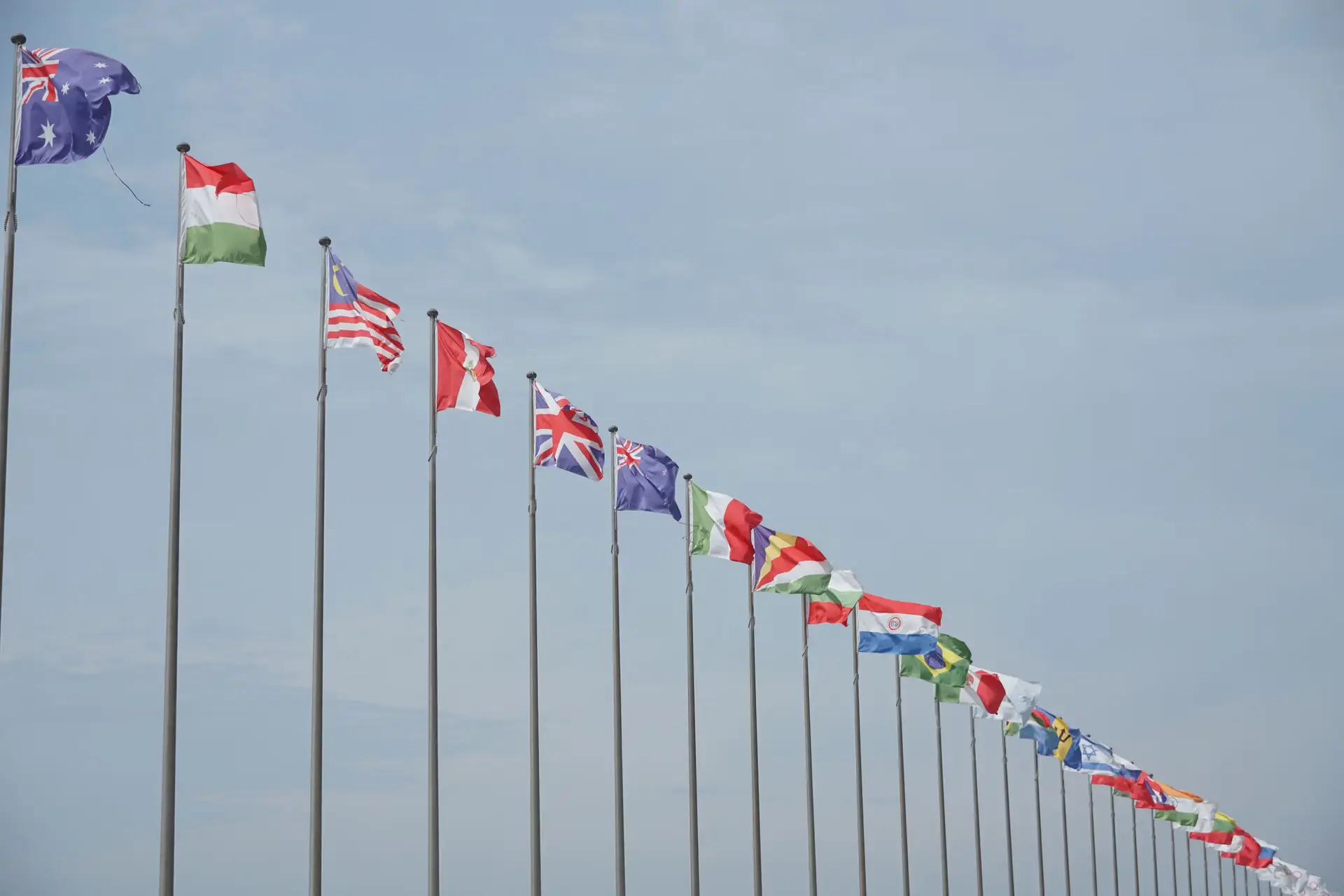
When European bureaucrats run out of domestic solutions, they inevitably default to inventing ambitious diplomatic labels. The latest addition to the lexicon emerged from a summit in Montreal, where European Commission President Ursula von der Leyen and Canadian Prime Minister Mark Carney unveiled the Alliance for the Future. Promised as a shield against trade friction and geopolitical turbulence, the pact sounds suitably grand. Whether it offers anything beyond political theater is a secondary concern for an executive class that thrives on symbolic unity.
The practical core of the meeting centers on technological self-reliance and supply chain security. Prompted by mid-October speed disruptions imposed by Elon Musk’s Starlink and Starshield operations over Ukraine, Ottawa and Brussels are eager to distance themselves from American tech suppliers. To this end, Canadian artificial intelligence firm Cohere Inc plans to merge with Germany’s Aleph Alpha GmbH, establishing dual headquarters in Berlin and Toronto. To secure its footprint, Ottawa announced a state stake in Cohere worth up to 1.6 billion Canadian dollars, paired with an agreement granting Canada access to the European supercomputing network.
Financial obligations also featured prominently in the summit outcomes. Canada agreed to contribute to a 90 billion euro support loan for Ukraine, aligning its geopolitical purse strings with Brussels. European Council President Antonio Costa described Canada as the most European of non-European nations, promising a deep structural association between the bloc and an external partner.
Yet the institutional machinery in Brussels cannot resist administrative overreach. Von der Leyen promoted the concept of associate membership for Canada, a legally undefined tag pushed off to a 2027 summit for clarification. Behind the scenes, member states including Germany scrambled to strike the phrase from draft statements, wary of creating diplomatic confusion. Von der Leyen proclaimed that this is a partnership not against anyone else, but for our common strength, even as EU member governments quietly worked to restrain her rhetorical zeal.
Domestic reality provided a sharp contrast to the summit's polished narrative. Quebec Premier Paul St-Pierre Plamondon boycotted the event after Ottawa refused to grant him a public speaking role, comparing the federal offer to serving cocktails at a reception. While transatlantic leaders project unity through expansive agreements, local political friction persists beneath the surface of top-down summit diplomacy.
Written by Sandy van Dongen sandy.vandongen@alpineweekly.com