
Oct 31, 1:01 PM
Mogadishu Bids Farewell to Its UN Guardians
After thirty years of political hand-holding, Somalia reclaims full sovereignty just as international aid and security support begin to dry up.
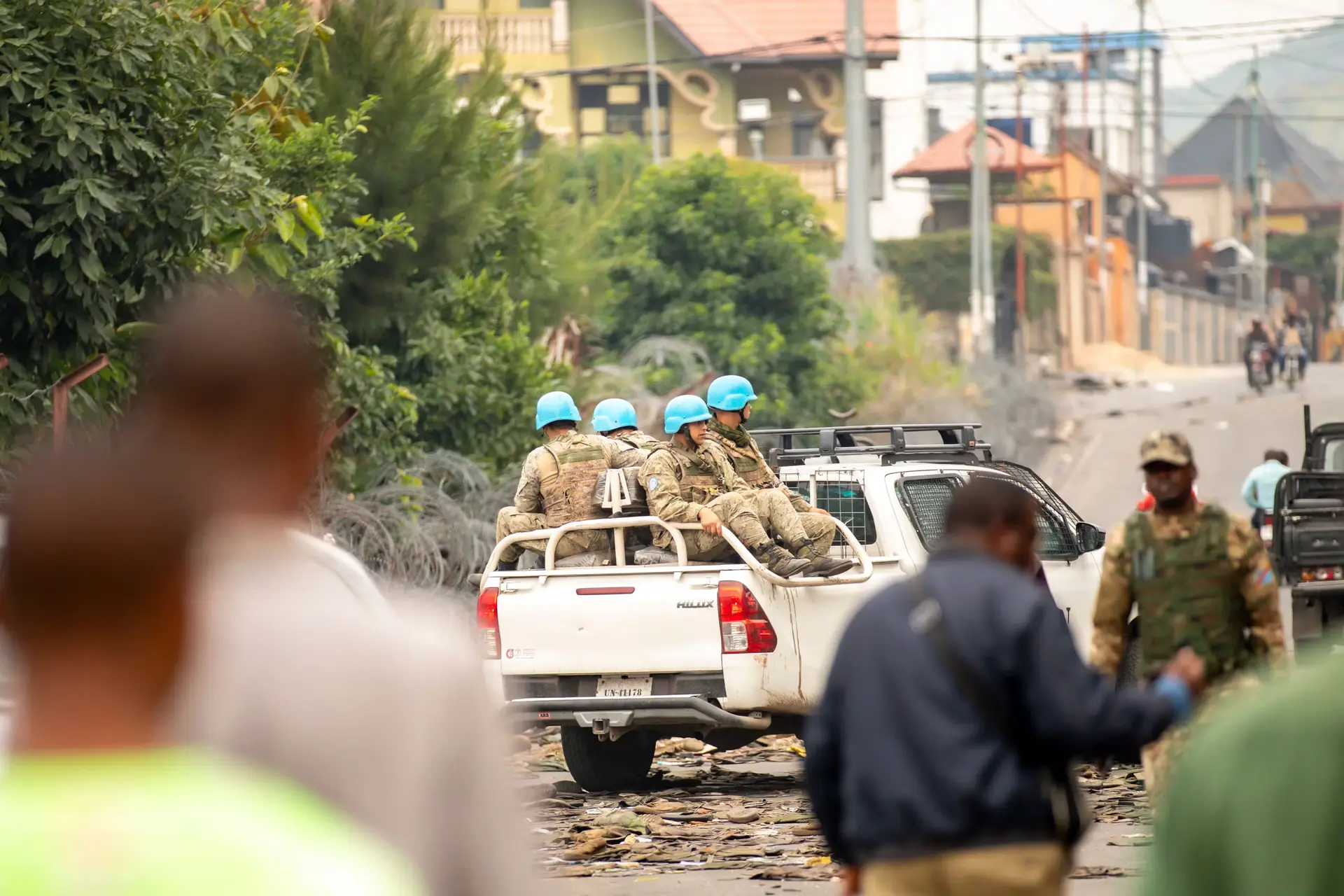
After thirty years of institutional hand-holding, the international bureaucracy in Mogadishu is finally folding its tents. The official end of the United Nations Transitional Assistance Mission in Somalia marks the conclusion of a multi-decade exercise in foreign nation-building. At the Somali government's explicit request, the UN political apparatus ceased operations, bringing a symbolic end to an era defined as much by well-funded oversight as by persistent friction over domestic sovereignty.
In official circles, the narrative is predictably triumphant. Deputy Prime Minister Saleh Ahmed Jama declared the departure a victory, framing it as the definitive exit from a permanent state of transition. President Hassan Sheikh Mohamud’s administration successfully pressed for this two-year wind-down, signaling to domestic constituents and foreign donors alike that Somalia is ready to chart its own course. Yet behind the sovereign posturing lies a far more sobering landscape.
The departure of UN political mediators leaves a stark void in a nation where internal consensus remains elusive. In the past, international envoys routinely brokered fragile electoral compromises among regional bosses and federal authorities. Now, with no replacement arbitration mechanism in sight, Mogadishu faces deep political fractures entirely on its own. Opposition leaders fiercely reject the constitutional maneuvers that extend the tenure of the president and parliament until 2027, while relations between the federal government and regional capitals grow increasingly cold.
Meanwhile, the economic underpinnings of this foreign-backed architecture are quietly deteriorating. Western taxpayers and international institutions are losing their appetite for perpetual subsidies. The consequences of shrinking foreign assistance are already visible: UNICEF reported that over two hundred health and nutrition centers were forced to close earlier this year as funding streams evaporated. Declarations of national self-reliance ring somewhat hollow when basic public services collapse the moment foreign chequebooks snap shut.
The security architecture tells a similar story of fragile dependency. Armed insurgents from al-Shabab remain a potent threat, continuously testing the limits of state control. While African Union soldiers remain deployed to support national forces, their operational existence relies almost entirely on UN logistical support for food, transport, and medical care. That life-support system itself faces an uncertain future, with a planned closure looming for late 2027 under American-backed proposals.
The UN political mission leaves behind a country that has certainly outgrown foreign governance, but whether it has built the institutional muscle to govern itself remains an open question. Decoupling from international patronage is a necessary step for any functioning state. However, replacing foreign interference with internal political stalemate and budget shortfalls is hardly a victory worth celebrating.
Written by Freya Stensrud freya.stensrud@alpineweekly.com