Jul 29, 8:01 AM
Mechanical Dogs and Datacenter Plugs: The FCC Expands the Tech War
The Trump administration cites national security to block advanced robotics and essential grid infrastructure, prompting predictable outrage from Beijing.
The latest casualties in the technological decoupling between Washington and Beijing look like they walked out of a science fiction novel, though some are decidedly more mundane. The Federal Communications Commission has issued a ban on the import of Chinese humanoid robots and connected power inverters, citing threats to domestic security. According to the regulatory body, these advanced robotic devices present an unacceptable risk of data harvesting and surveillance by foreign actors. The prohibition covers both bipedal humanoids and quadrupedal animal-like machines, ensuring that neither robotic workers nor mechanical dogs from China will legally cross American borders.
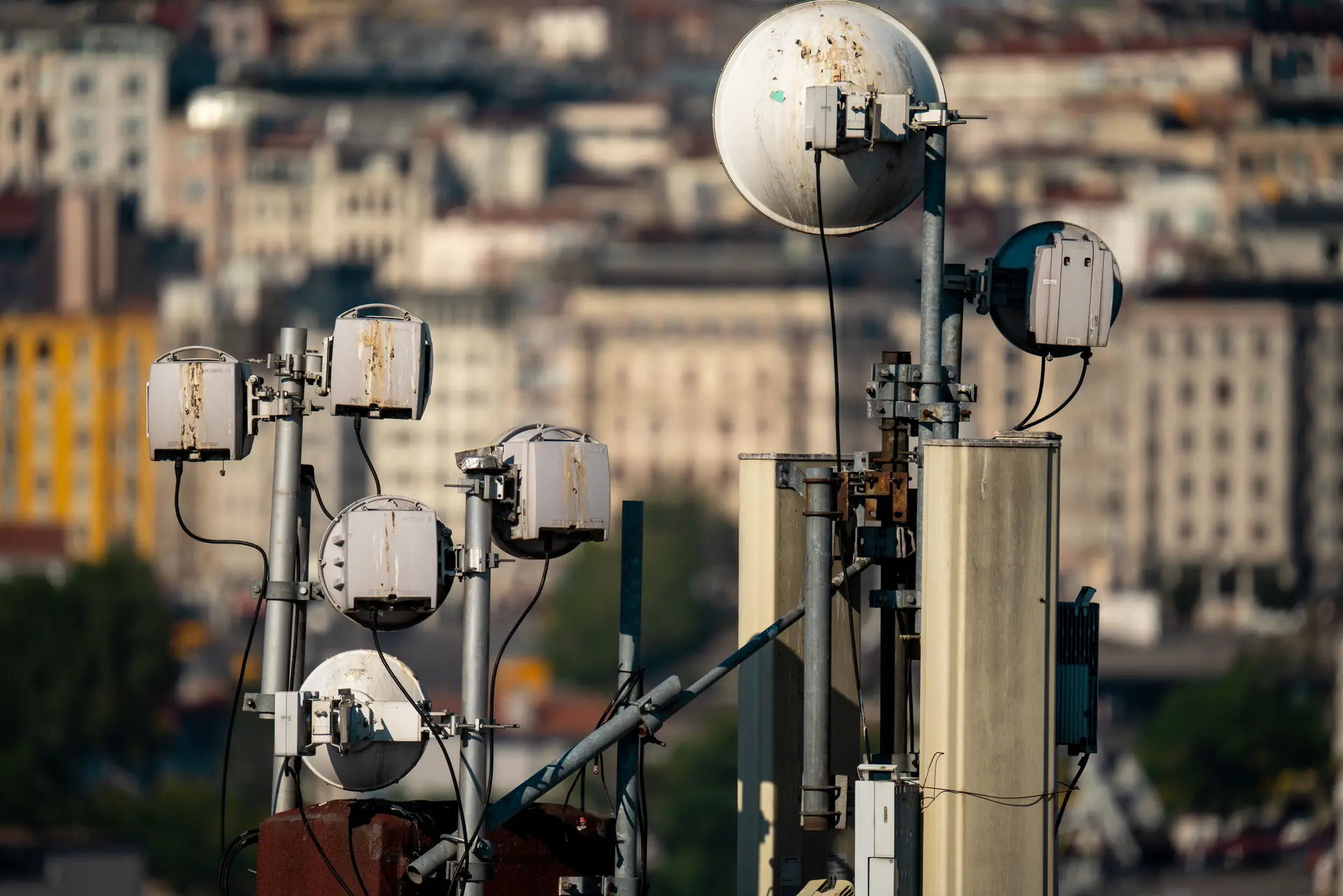
While robotic sentinels capture the public imagination, the inclusion of power inverters reveals the broader economic calculus at play. These devices are essential for linking renewable energy sources and battery arrays to power grids and datacenter infrastructure. The restriction aligns neatly with the Trump administration's industrial strategy, which seeks to force manufacturing back to American soil by systematically excising Chinese hardware from critical supply chains. Administration officials characterize this approach as a necessary alignment of economic and national security, designed to reindustrialize the domestic market while securing emerging technologies.
The formal justification from Washington rests on the theoretical capability of foreign intelligence services to remotely hijack these machines or exploit their data-gathering sensors. Administration representatives insist that securing domestic supply chains for emerging technologies is an absolute necessity. They argue that economic security is entirely synonymous with national security, framing the bans as part of a broader agenda to rebuild the American manufacturing base. The FCC explicitly warned that malign actors could leverage these devices to surveil American citizens or enhance the capabilities of foreign intelligence apparatuses.
Unsurprisingly, Beijing views this regulatory blockade less as a legitimate security measure and more as a symptom of a declining superpower panicking over its eroding market dominance. The Chinese embassy in Washington condemned the sanctions, urging American authorities to listen to rational business interests rather than smearing foreign enterprises. Official diplomatic statements warned that China would take all necessary measures in response to any action that causes material harm to its interests. Meanwhile, state-aligned media and industry figures in China have characterized the American policy as an indiscriminate and irrational lashing out against superior technological competition.
The immediate practical effect of the FCC ruling applies primarily to unreleased models, though the commission retains the authority to retroactively revoke sales authorizations for equipment already on the market. This regulatory threat looms over two rapidly expanding sectors. Artificial intelligence-driven humanoid robots are widely expected to see massive adoption across consumer and industrial markets in the coming years. Simultaneously, the explosive growth of American datacenter construction relies heavily on a steady supply of power inverters—a market currently dominated by Chinese manufacturers like Sungrow Power Supply and Huawei, both of which already operate under severe American sanctions.
Written by Andreas Hofer andreas.hofer@alpineweekly.com