Oct 24, 2:01 PM
Managing the Decline: The SPD's Strategic Void Comes Home to Roost
The Juso leadership demands Lars Klingbeil's exit, exposing a political party clinging to power without a plan.
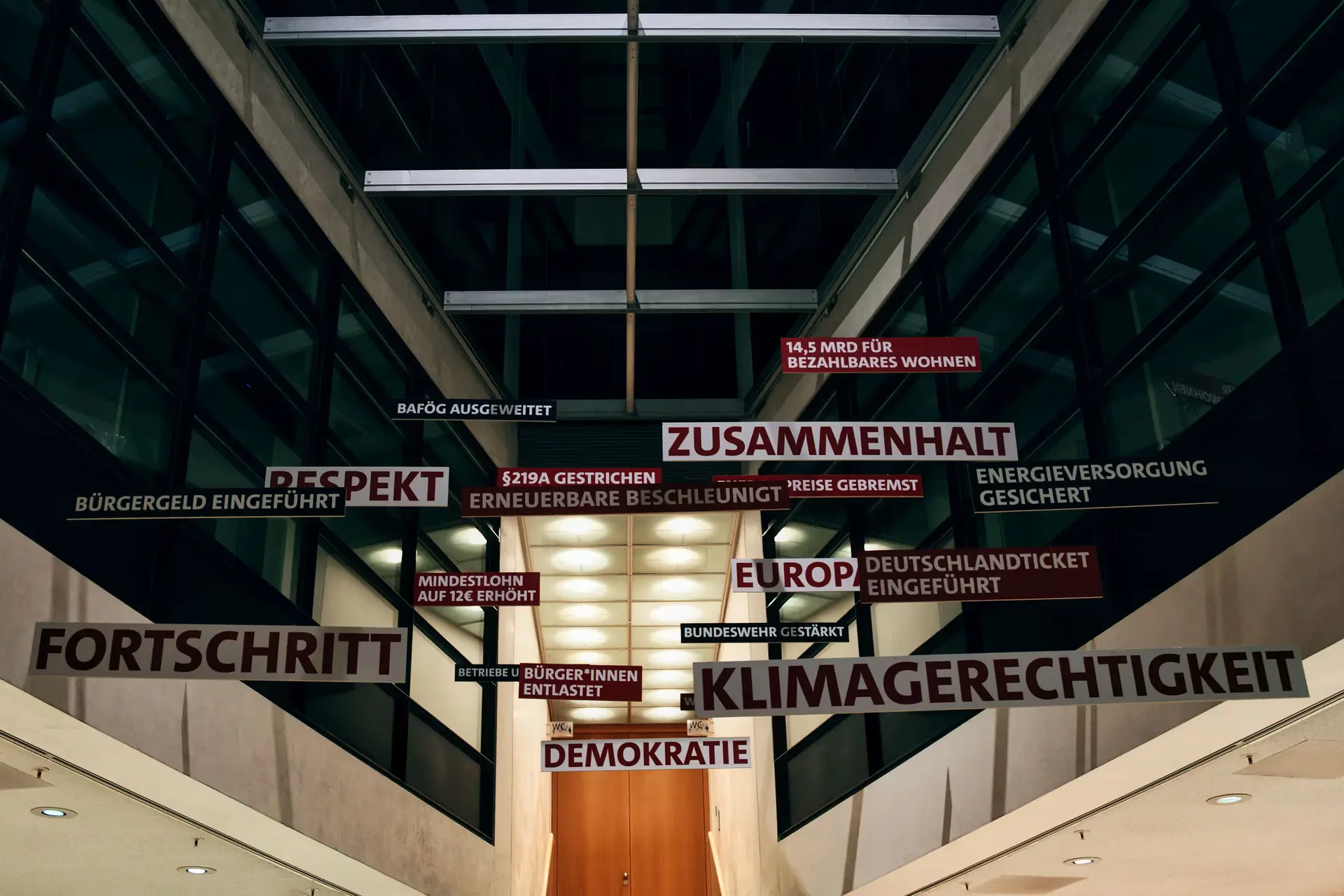
When a political party spends a decade managing decline, the revolt rarely begins with a grand vision. It starts with the realization that the managers themselves have run out of ideas. The SPD, currently clinging to power in Berlin while overseeing a country sliding into economic stagnation and political drift, now faces a predictable rebellion from its own youth wing. Philipp Türmer, head of the Jusos, has publicly drawn the line: Lars Klingbeil should vacate the party presidency at the upcoming January congress.
Türmer’s rationale is as pragmatic as it is damning. Balancing cabinet responsibilities as Vice Chancellor and Finance Minister with the leadership of a deeply fractured party is a burden no single politician can convincingly shoulder. More critically, the young socialist points out a simple reality that voters have observed for years: across nearly a decade in senior leadership—first as general secretary, then as co-chair—Klingbeil has failed to produce a discernible political strategy to revive the party’s fortunes.
The power vacuum was opened on October 12 with the resignation of Bärbel Bas, triggering an inevitable reshuffling of cards in Berlin. With Klingbeil under pressure, alternative figures are already being paraded. Türmer actively pointed to former Labor Minister Hubertus Heil and Mecklenburg-Vorpommern’s premier Manuela Schwesig as viable contenders. Heil is framed as the man to anchor the party’s traditional social agenda, while Schwesig is held up as a proven campaigner capable of delivering political results.
Yet, the proposed prescriptions reveal the deeper malady of German social democracy. Türmer praises Schwesig while she actively negotiates a red-red-green coalition in Schwerin, going so far as to entertain a similar left-wing alliance at the federal level. For a party that has bled voters in every direction by morphing into an agent of the administrative status quo, turning further left appears to be the default reflex.
In the debates surrounding pension reform and coalition compromises with the CDU, the SPD has consistently substituted political backbone with technocratic management, selling mere spending cuts to the public as structural reform. When political leadership lacks a clear stance, governance degenerates into mere administrative maintenance. While Türmer reserves harsh words for the CDU in Saxony-Anhalt, accusing them of internal division that undermines democratic stability, his own party's struggle highlights a broader truth. Germany's political establishment is increasingly consumed by internal career management while the country pays the price for years of strategic inertia.
Written by Freya Stensrud freya.stensrud@alpineweekly.com