
Nov 24, 1:01 PM
Macron Considers Constitutional Spending Cap to Restrain French Deficits
The proposal to limit government expenditure requires constitutional reform as France faces high public debt and rising borrowing costs.
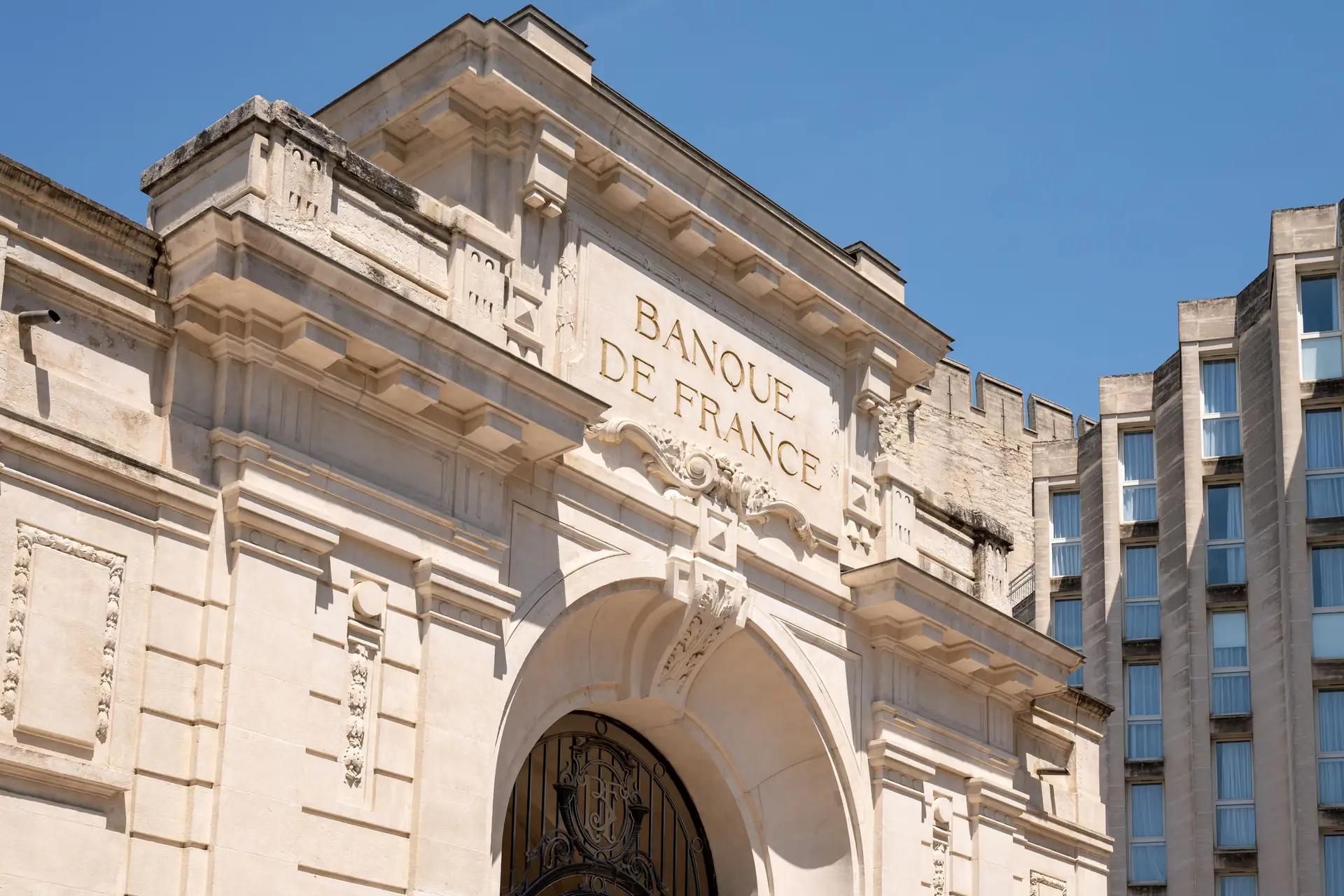
French President Emmanuel Macron is evaluating a constitutional amendment to introduce a binding spending cap on future national budgets, aiming to curb France's public deficit. Macron stated in an interview with the newspaper Le Figaro that consultations with both houses of parliament could begin as early as January if he decides to proceed with the measure.
The proposed measure would revive a 2011 draft reform designed to set multi-year spending targets aimed at returning France to balanced budgets. Under the model under consideration, the Constitutional Council would receive authority to strike down budget legislation that violates established fiscal limits. Enacting the constitutional reform requires either approval by a national referendum or a three-fifths majority of lawmakers meeting in a joint session of parliament. Prime Minister Sébastien Lecornu has begun preliminary consultations with political parties to assess parliamentary feasibility.
The initiative comes amid increasing scrutiny of French public finances by international bond markets, where borrowing costs for the country have risen in recent weeks. According to government figures, the French budget deficit will reach 5.4 percent of gross domestic product this year, remaining above the European Union limit of 3 percent. National public debt has reached nearly 120 percent of GDP, which is double the official EU benchmark of 60 percent.
Political support for a spending limit has emerged primarily from conservative and right-wing parties. National Rally leader Marine Le Pen endorsed the concept, stating that her party colleague Jordan Bardella had presented a similar proposal weeks earlier. Conservative candidate Bruno Retailleau welcomed the principle of a constitutional lock, while former Prime Ministers Édouard Philippe and Gabriel Attal have also put forward variants of a budgetary constraint rule.
Opposition to the spending cap remains concentrated among left-wing political forces. Éric Coquerel, chairman of the National Assembly's Finance Committee and a member of France Unbowed, stated that the mechanism would drastically restrict the capacity of future governments to implement alternative economic policies. Analyst Jean Petaux noted that the Elysée Palace aims to prevent high-spending policies in the event of political shifts in next year's presidential election, while economist Clara Léonard argued that a technocratic rule alone cannot replace a comprehensive long-term expenditure strategy.
Written by Thomas Nussbaumer thomas.nussbaumer@alpineweekly.com