Nov 10, 11:01 AM
Macron Calls for International Restrictions on AI to Protect Children
The French president proposes pre-certification for AI models and international safeguards ahead of the Paris Peace Forum.
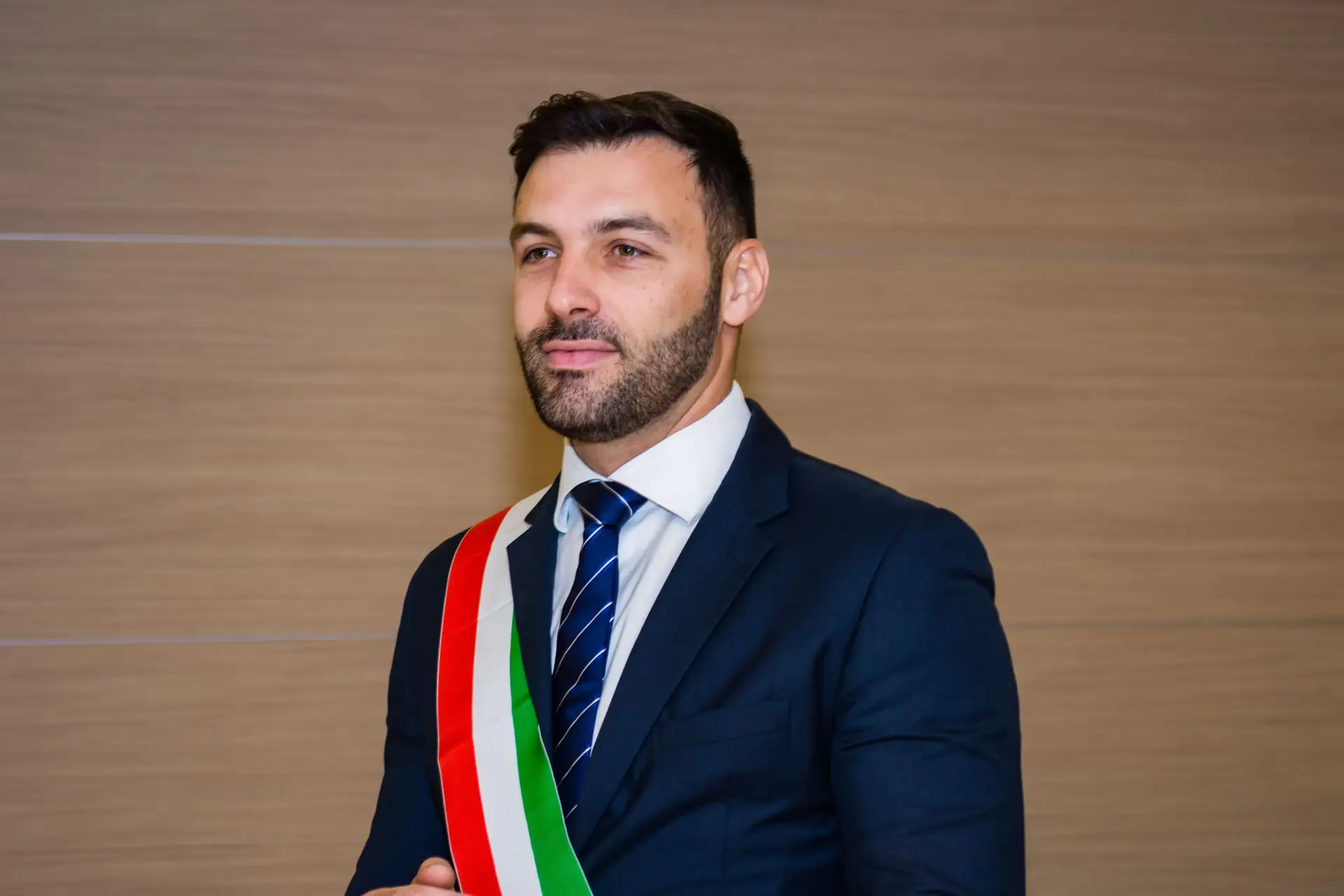
French President Emmanuel Macron has called for a prohibition on artificial intelligence applications that present risks to the mental health of children. Speaking in an interview with the French daily newspaper Les Echos ahead of the Paris Peace Forum, Macron stated that technology should be banned whenever specific uses jeopardize young people's psychological well-being.
The announcement coincides with the scheduled presentation of recommendations by an expert advisory panel regarding safeguards against artificial intelligence. Following the recommendations, research laboratories and tech firms are set to sign a charter establishing independent evaluations for generative AI systems prior to their commercial release. Participating entities, which include United States companies OpenAI and Anthropic, will also provide access to model data for review.
According to the French presidency, the initiative establishes a framework for pre-audits and pre-certification of models before they reach underage users. Macron outlined three primary categories of risk that require regulatory oversight: child safety, democratic security, and national security issues. In addition, the French government is advocating for a ban on certain social media platforms for children under the age of 15.
To coordinate international policy, Macron hosted a videoconference bringing together approximately 50 heads of state and government alongside industry leaders. Participants included the prime ministers of the United Kingdom, Canada, Norway, the Netherlands, and Japan, as well as chief executives from tech firms such as OpenAI, Anthropic, Mistral, and Microsoft. Following the discussion, Macron reported on the social platform X that leaders shared a common diagnosis regarding collective security risks.
The proposed measures come as global regulatory approaches to artificial intelligence continue to diverge significantly between the United States, China, and the European Union. EU member states are seeking to establish shared standards while addressing economic performance across the bloc. On Friday, national AI ministers are scheduled to gather in Dublin under the Irish rotating EU presidency to review existing rules, including the EU AI Act.
Written by Andreas Hofer andreas.hofer@alpineweekly.com