Nov 6, 9:00 AM
Lebanese Civilians Prepare Emergency Supplies Amid Rising Escalation Concerns
Persistent border friction and regional geopolitical tensions prompt households in high-risk areas to stock up on essentials.
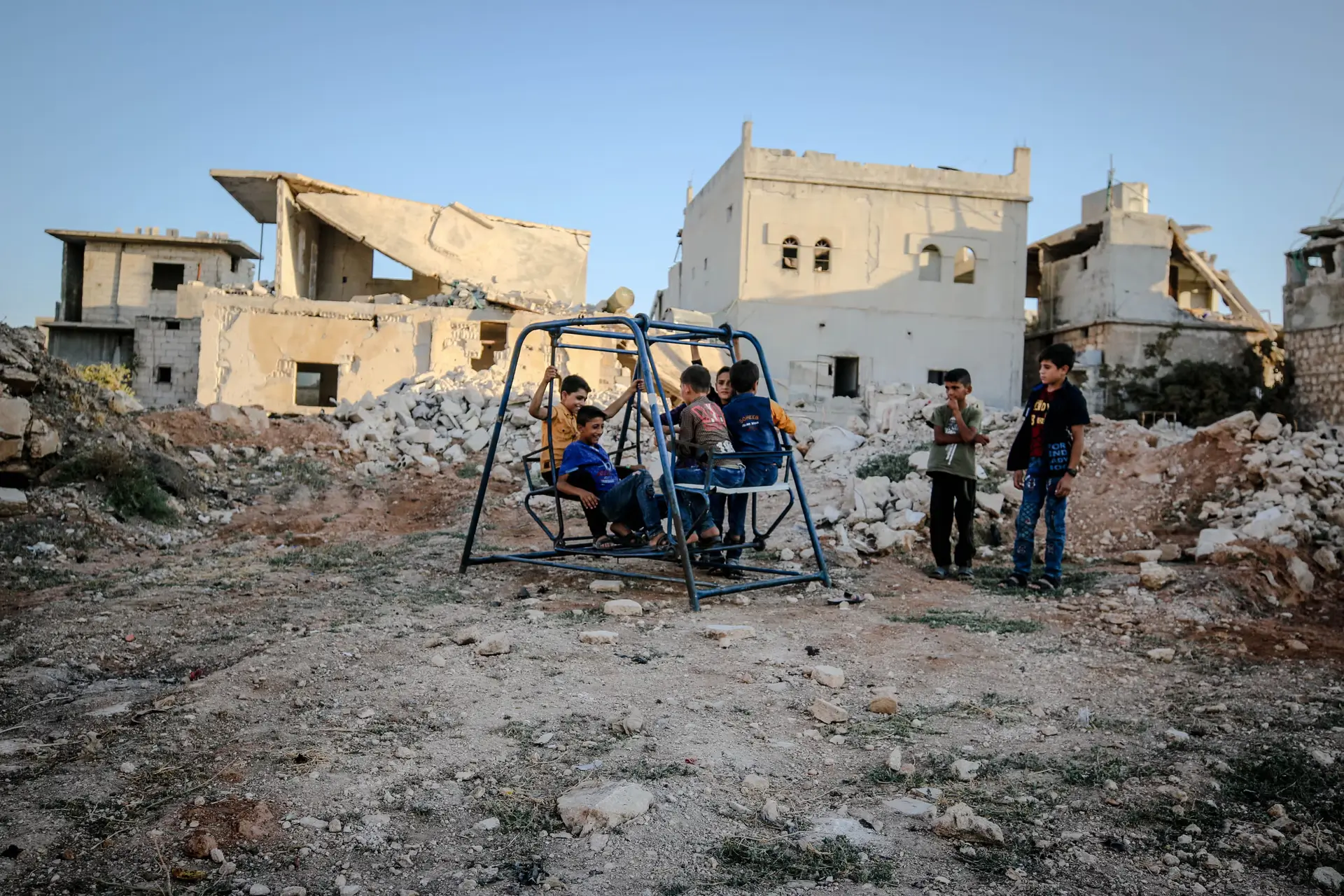
Residents across Lebanon are stockpiling basic necessities, fuel, and medical supplies amid growing fears of renewed military escalation between Israel and Hezbollah. The heightened preparations follow months of lingering uncertainty, despite a ceasefire framework established earlier this year.
Although active large-scale combat subsided after an April 2026 agreement, reconnaissance drone activity and localized detonations remain frequent near the southern border. Israeli forces maintain control over a strip extending up to ten kilometres inside Lebanese territory, known as the Yellow Line, where extensive destruction has left numerous border settlements largely uninhabitable.
Tensions have risen further following reports that US President Donald Trump has evaluated potential military strikes against Iran in coordination with Israeli authorities. Analysts note that any retaliatory measures by Tehran could prompt Hezbollah to resume cross-border attacks against Israel. At the same time, Israeli officials have accused the Lebanese army of non-compliance with a June agreement aimed at disarming Hezbollah in designated pilot zones, an assertion rejected by Lebanese military command.
In response to the volatile security environment, civilians in high-risk areas, including southern Lebanon and Beirut's southern suburb of Dahiyeh, are taking precautionary measures. Local observers report that residents are keeping emergency supplies packed, securing water reserves, and maintaining fully fueled vehicles for immediate evacuation. Analysts at regional policy institutes point out that while some families continue paying rent on secondary apartments outside potential strike zones, prolonged economic strain makes such arrangements increasingly difficult for much of the population.
The ongoing friction comes against the backdrop of severe human and economic tolls. According to the Lebanese Ministry of Public Health, approximately 9,000 people in Lebanon have been killed since clashes began in October 2023. Concurrently, the World Bank projects Lebanon’s annual inflation rate to reach 17.5 percent this year, compounding the pressure on households facing persistent displacement risks.
Written by Thorben Thiede thorben.thiede@alpineweekly.com