Nov 27, 5:02 PM
Kyiv Faces Winter Energy Disruptions as Missile Strikes Target Key Infrastructure
Polling shows sustained public support for the defence effort despite continuous power blackouts and mounting reconstruction estimates.
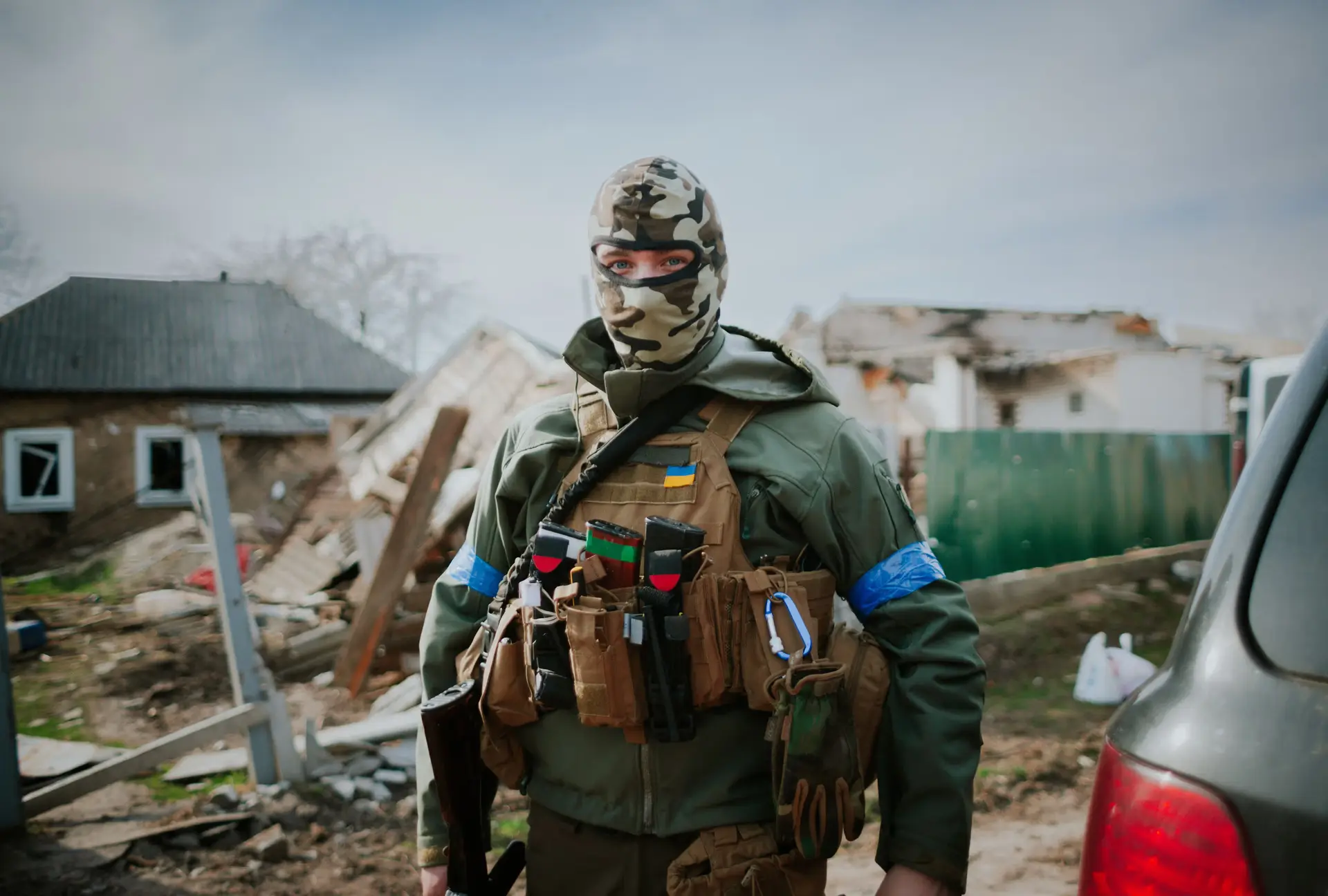
As winter temperatures drop, Kyiv faces renewed disruptions to its power and water supplies following a wave of Russian missile and drone attacks on Ukrainian infrastructure. The strikes damaged two of the nine bridges over the Dnipro River in the capital, occurring shortly after a Ukrainian attack damaged the Kerch bridge connecting Russia to Crimea. Despite ongoing blackouts and regular air raid sirens, public polling indicates sustained support among residents for the national defence effort.
A study published by the Kyiv International Institute of Sociology shows that 62 percent of surveyed Ukrainians expressed willingness to endure the war for as long as necessary. The same poll indicates that 79 percent of respondents expect an eventual Ukrainian victory, whereas 7 percent expect Russia to prevail. Trust in Ukrainian President Volodymyr Zelensky is reported at between 54 and 57 percent, compared to over 90 percent in the initial months following Russia's invasion in February 2022.
Casualty figures compiled by the United Nations put the civilian death toll at over 18,000 since February 2022, while military losses on the Ukrainian side are estimated by external observers to reach up to 100,000 soldiers. Ukrainian authorities report that repeated strikes on energy generation facilities have severely impaired municipal water pumping systems, particularly affecting high-rise residential districts. In addition, Ukraine's Ministry of Justice states that at least 20,000 children have been relocated to Russia during the conflict. Moscow has consistently denied targeting civilians or civilian infrastructure.
Discussions regarding potential peace terms have included proposals circulating in Washington that would envision Ukrainian territorial concessions in the east alongside security arrangements or NATO membership. However, Ukrainian commentators and citizens express strong doubts that Moscow would abide by any ceasefire agreement, citing past border guarantees. Estimates for Ukraine's post-war reconstruction currently exceed 500 billion US dollars, far surpassing the country's pre-war annual gross domestic product of 200 billion dollars.
Across Kyiv, public life continues under curfew restrictions and frequent air raid alerts, with television productions, publishing houses, and public venues operating out of temporary or underground facilities. Cultural interest in Ukrainian-language literature and national history has expanded significantly during the conflict. On the diplomatic front, the issue of future security guarantees for Ukraine remains unresolved, as Western allies debate long-term commitments while Moscow opposes any NATO expansion along its borders.
Written by Thomas Nussbaumer thomas.nussbaumer@alpineweekly.com