Jul 20, 12:02 PM
Israel’s Public Rebuke Puts Labor’s Palestine Platform Under a Harsh Light
A rare diplomatic intervention from Canberra has turned Labor’s draft policy into a test of discipline, language and factional control before the Adelaide conference.
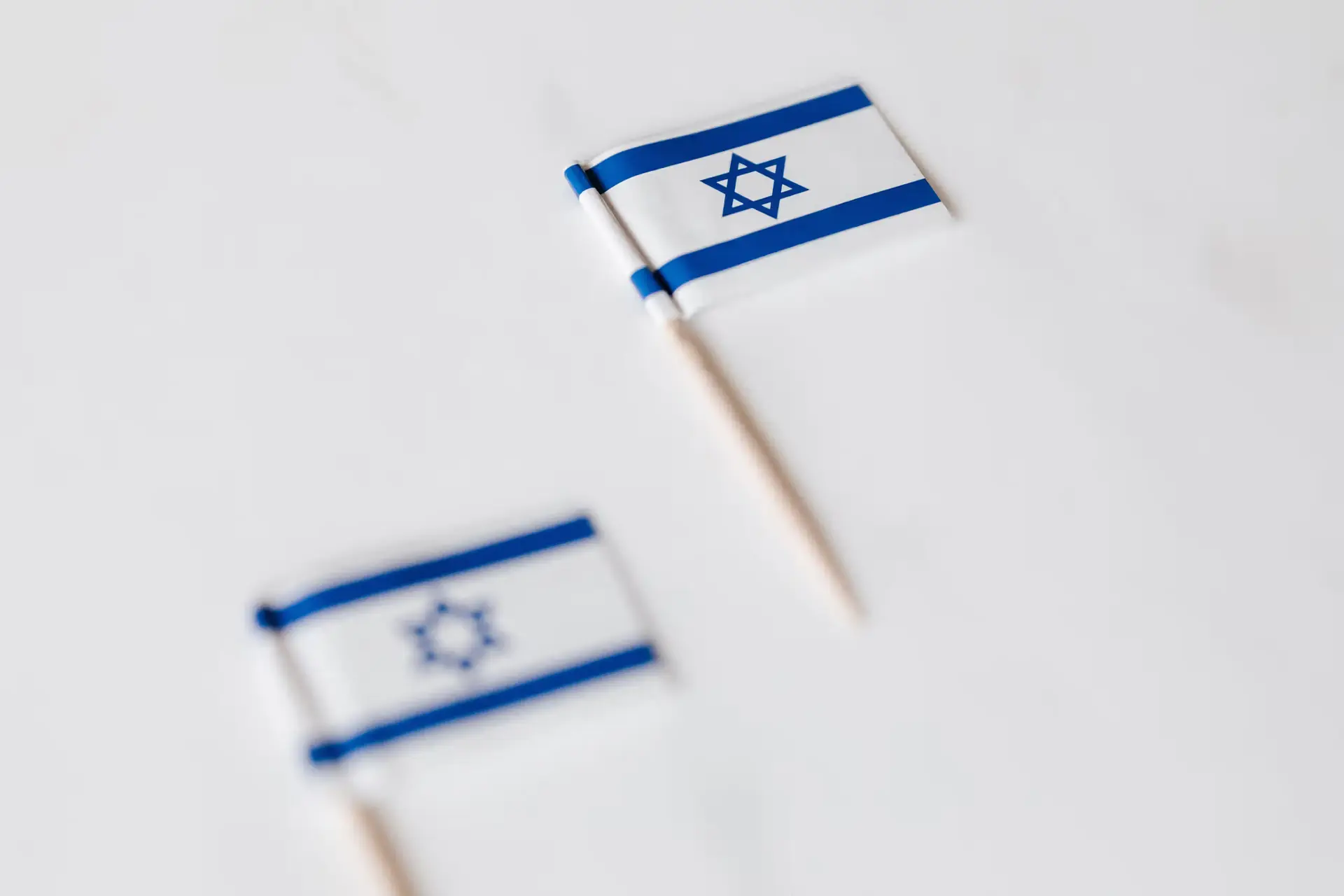
Diplomacy usually prefers its complaints discreet, preferably filed somewhere between a memo and a lunch. Israel’s embassy in Canberra has chosen a different method: a four-page public statement aimed squarely at Labor’s draft Palestine platform, just days before the party’s national conference in Adelaide.
The embassy says the draft risks placing responsibility for the Gaza conflict on one side while paying insufficient attention to Hamas and the Palestinian leadership. It also says it will continue to engage with Labor through the usual diplomatic channels, which is a polite way of saying the public warning was not an accident. Foreign states do not often step so openly into another country’s party machinery, which is precisely why this one matters.
Labor’s draft platform is more ambitious than the version the party carried in 2023. Back then, the text on Israel and Palestine was brief and centred on recognition of a Palestinian state, a policy the government formally adopted in August last year. The 2026 draft goes further, with motions opposing the annexation of Palestinian territory and calling for an end to settler violence and the occupation.
That shift reflects the political weather after Hamas’s 7 October attack and Israel’s war in Gaza. It also reflects a government that has already condemned settler violence in the West Bank and, last month, joined other western nations in imposing new sanctions on perpetrators. The embassy, predictably, sees the matter differently. It describes settler violence as a reprehensible but marginal phenomenon and argues that it is being given disproportionate attention.
There is also a small but telling change inside the draft itself. An earlier version said Hamas must disarm and have no role in the State of Palestine. That line disappeared from the final draft, although Hamas is still identified there as a perpetrator of terrorism and violent extremism. In other words, Labor has not abandoned hard language; it has merely rearranged the emphasis, which is often how internal compromise announces itself.
The party’s national conference, held every three years, is where such disputes are supposed to be settled in the open, with delegates performing conviction and discipline in equal measure. This week’s meeting in Adelaide is likely to feature the usual contest between Labor’s pro-Palestine and pro-Israel camps, both of which are expected to push for changes on the conference floor. One can admire the ritual while still noticing how often it leaves everyone slightly less coherent than before.
The embassy’s broader argument is that policy should be framed around the conditions for lasting peace, not around blame. It says Israel remains committed to a future in which Israelis and Palestinians live alongside one another in peace and security, but insists that such a future cannot be built through unilateral declarations or international pressure aimed at only one side. Anne Aly, the minister for multicultural affairs, appeared untroubled by the intervention, saying they would do what they felt was right. Penny Wong declined to comment.
What this episode really shows is that Labor’s Palestine debate is no longer a tidy internal exercise. It has become a live test of how the party handles foreign pressure, factional demands and a conflict that refuses to stay politely overseas. The conference may still produce a platform. Whether it produces clarity is another matter.
Written by Thomas Nussbaumer thomas.nussbaumer@alpineweekly.com