Oct 20, 8:01 AM
Israel’s Permanent Coalition Deadlock Returns to the Ballot
A sixth election in seven years exposes deep social fault lines and a doubling defense budget, with no clear winner in sight.
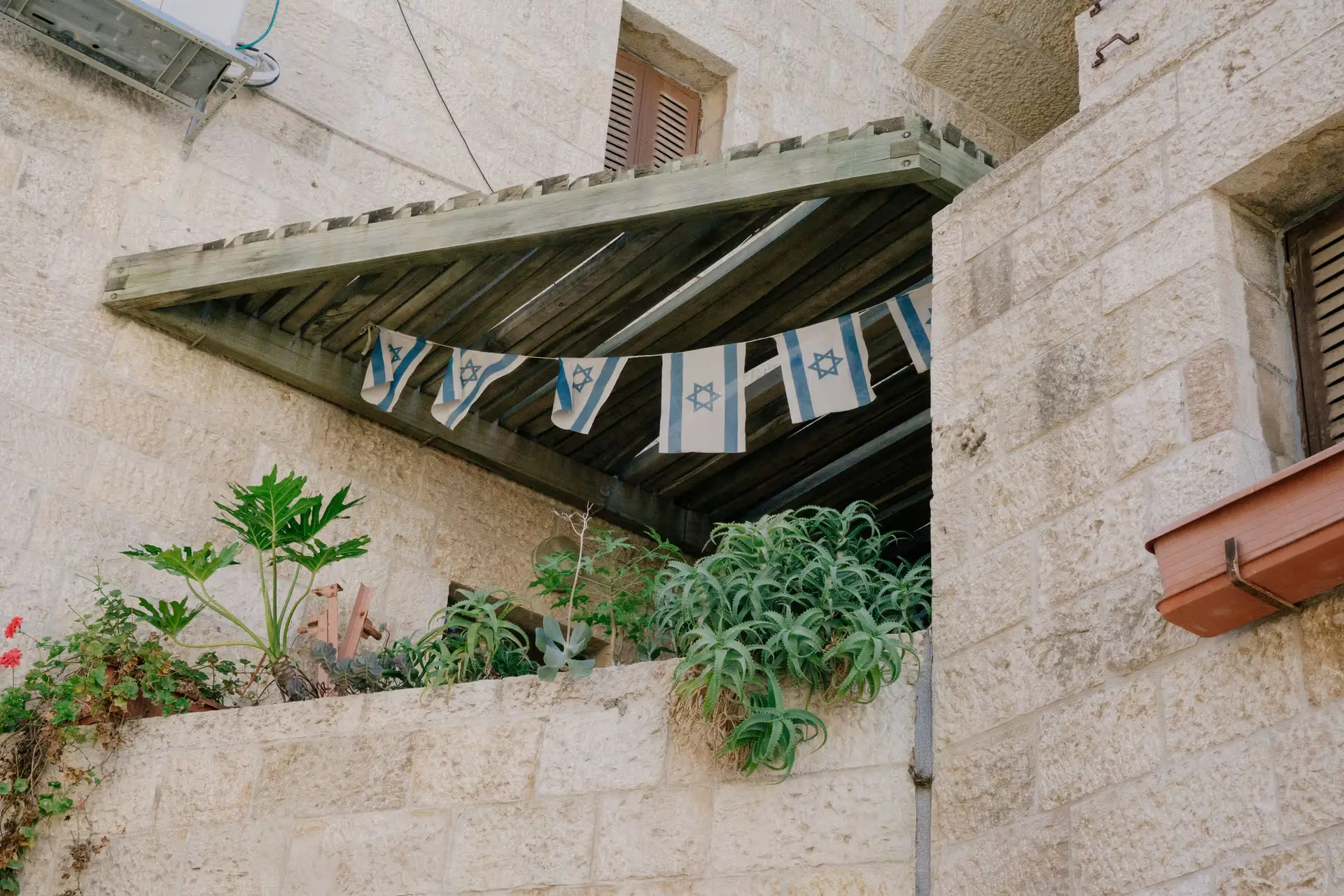
Jerusalem is once again preparing for its favorite political pastime: counting coalition votes that fail to yield a clear winner. On October 27, Israelis head to the polls to elect the 26th Knesset. While this marks the sixth national vote since 2019, it carries the rare distinction of being the first in nearly four decades to arrive at the natural end of a parliamentary term. Yet, reaching the finish line provides little guarantee of governance.
The mechanics of the Israeli electoral system remain stubbornly uncompromising. To secure power in the 120-seat Knesset, a government needs 61 seats—a threshold no individual party has ever managed to cross in the state's history. Instead, the country operates on proportional representation with a 3.25 percent entry threshold, forcing smaller factions into shotgun marriages before election day to avoid wasted votes. With roughly 7.3 million eligible voters choosing parties rather than individual candidates, the current race remains deadlocked between Prime Minister Benjamin Netanyahu’s coalition and a Jewish-led opposition bloc.
Netanyahu, currently standing trial on corruption charges while seeking to extend his 19-year tenure, faces an opposition coalition featuring former army chief Gadi Eisenkot and his new Yashar party, alongside former prime ministers Naftali Bennett and Yair Lapid. Neither camp currently appears capable of securing a clean 61-seat majority on its own. While Arab-majority lists could theoretically tip the scales after surviving a legal challenge in the Supreme Court, most Jewish opposition leaders have preemptively closed the door on formal alliances with them.
Underneath the political theater lies an increasingly strained economy and a fractured society. Since 2023, Israel's defense budget has doubled, exacerbating cost-of-living pressures for ordinary citizens. Voters are simultaneously weighing domestic disputes over ultra-Orthodox military draft exemptions, the contentious push to curb the Supreme Court’s powers, and the absence of a formal state inquiry into the October 7 security failures.
At the same time, the election underscores stark democratic anomalies across the territory under Israeli control. Over three million adult Palestinians living in Gaza, the West Bank, and East Jerusalem have no vote in the Knesset, creating a surreal geographic contrast where Israeli settlers cast ballots while their immediate neighbors do not. Moreover, with general absentee voting forbidden, citizens living abroad must physically travel home to participate. As election day approaches, Israelis are left to ask whether another round of complex coalition bargaining can deliver long-term stability, or merely another temporary reprieve before the next national ballot.
Written by Freya Stensrud freya.stensrud@alpineweekly.com