Nov 6, 7:00 AM
Iraq Urges Neutrality in Call Between Prime Minister al-Zaidi and Trump
Baghdad warns internal armed groups against joining regional conflict as oil revenue losses surpass 60 billion dollars.

Iraqi Prime Minister Ali al-Zaidi held a telephone conversation on Thursday with US President Donald Trump to discuss regional security developments and diplomatic efforts in the Middle East. According to a statement from the prime minister's office, al-Zaidi reiterated Baghdad's stance that Iraqi territory must not serve as a launching point for military actions against neighbouring states. He also called for full respect for state sovereignty and emphasized the necessity of diplomatic dialogue to preserve regional stability.
The diplomatic contact occurred as Baghdad attempts to prevent its territory from becoming an arena of confrontation in the conflict between the United States and Iran, which began in February. Iraqi Foreign Minister Fuad Hussein stated in an interview with Dijlah TV that potential military strikes by the United States against Iran remained a distinct possibility. Hussein warned internal armed groups against taking part in any potential Iranian retaliation, stating that pushing Iraqi society into the war will lead to a disaster.
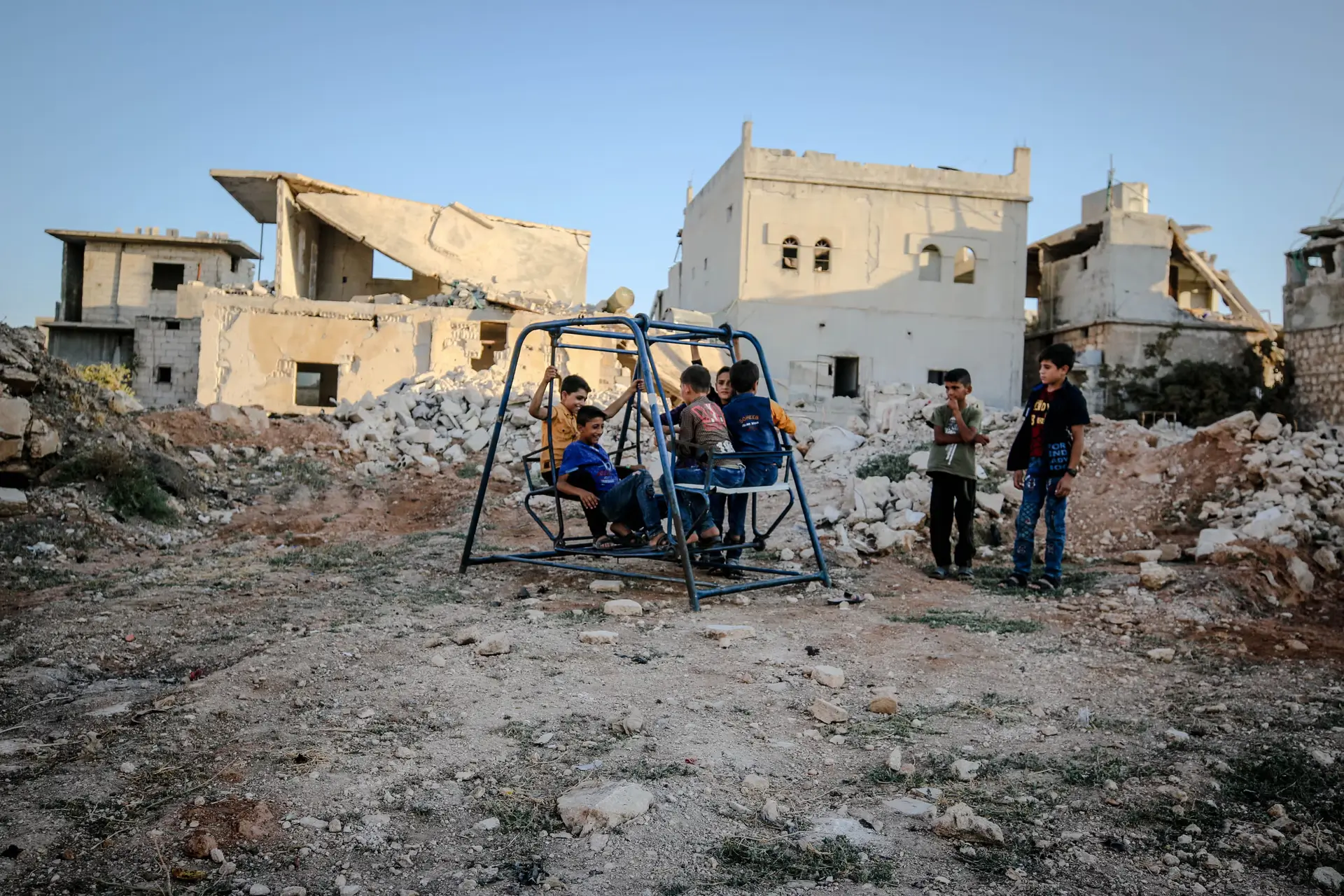
Hussein added that neither Iraqi society nor the nation's armed forces are prepared for involvement in a military conflict. He noted that previous escalation had turned Iraq into a battlefield involving US strikes, Iranian actions, and local armed factions. The foreign minister declared that Baghdad maintains functional relations with both Washington and Tehran and intends to keep the country neutral rather than joining any regional military axis.
Since taking office in May, Prime Minister al-Zaidi has prioritized the disarmament of non-state fighter groups operating inside Iraq. These groups include several pro-Iranian factions that have launched attacks across the region during the course of the hostilities. Al-Zaidi's administration has sought to assert state control over these forces to prevent further cross-border retaliatory strikes.
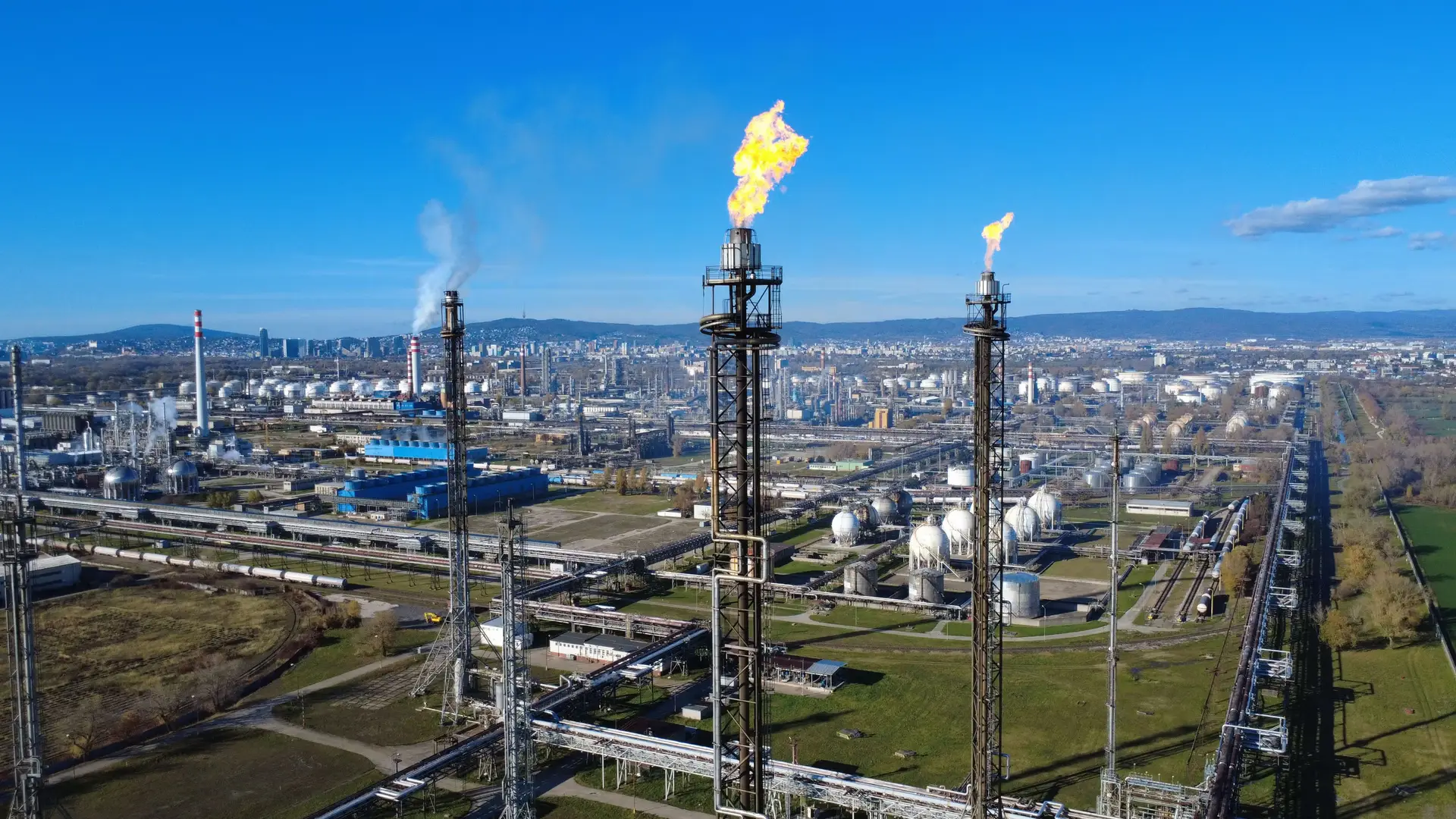
The ongoing war has caused significant economic hardship for Iraq, resulting in financial losses exceeding 60 billion dollars in crude oil revenues. Oil exports account for approximately 90 percent of Iraq's federal budget, and around 90 percent of those exports typically transit through the Strait of Hormuz. Following Tehran's decision to close the waterway to most maritime traffic, Iraq remains one of the few countries granted an exemption by Iranian authorities to continue shipping oil through the strait.
Written by Martina Kirchner martina.kirchner@alpineweekly.com