Oct 19, 6:01 AM
Insults and Austerity Fears Mark Brazil's Final Campaign Push
As Luiz Inacio Lula da Silva and Flavio Bolsonaro face off in a tight runoff, policy debates take a back seat to personal attacks.
When political rhetoric degenerates into physical posturing and childish barbs, public policy is rarely the winner. Brazil’s latest presidential debate provided a striking illustration of this reality, as incumbent Luiz Inacio Lula da Silva and right-wing senator Flavio Bolsonaro traded personal insults ahead of a high-stakes runoff election on October 25. With polls indicating a tight race—51 percent for Bolsonaro against 49 percent for Lula—the televised confrontation offered little in the way of economic vision, choosing instead to showcase a deeply fractured nation.
Bolsonaro, the 45-year-old son of former president Jair Bolsonaro, built on his surprising first-round lead by taking aim at the country's economic grievances. Focusing heavily on public security and the rising cost of living, the younger Bolsonaro characterized Lula’s recent expansion of social programs as reckless spending designed merely to secure re-election. Lula, who at nearly 81 years old is seeking a fourth term in power, attempted to turn the focus toward his opponent’s alignment with foreign models and figures. The president questioned Bolsonaro regarding potential public spending cuts modeled after the drastic austerity measures of Argentina’s President Javier Milei. He also criticized the Bolsonaro family’s proximity to Donald Trump, arguing that such ties signaled a subservient attitude toward American interests, particularly regarding Brazil's rare earth mineral reserves.
Yet substantive debate over fiscal restraint or resource governance was repeatedly drowned out by bitter recriminations. The televised exchange saw Bolsonaro pacing behind the president while making jabs about Lula’s past imprisonment for corruption—convictions that were subsequently annulled. In turn, Lula labeled his rival a thug and pointed to alleged connections with paramilitary groups in Rio de Janeiro. The ghost of Jair Bolsonaro hovered continuously over the proceedings; the former leader is currently serving a 27-year house arrest sentence for a botched coup attempt following his 2022 election defeat.
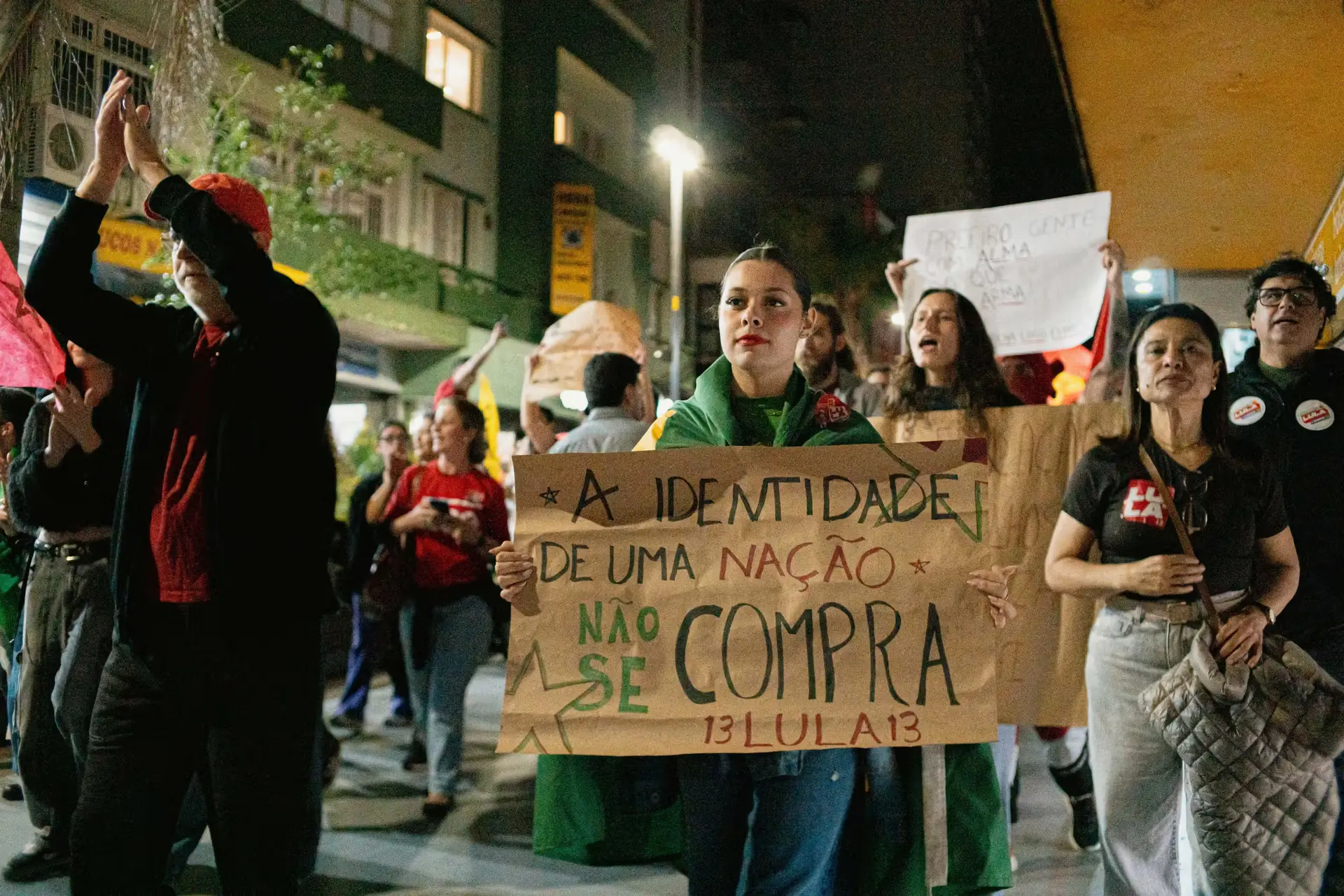
This political division was equally visible on the streets. In Sao Paulo, an estimated 71,000 supporters clad in national colors flooded Paulista Avenue to rally for Bolsonaro, voicing frustration over working multiple jobs simply to manage household expenses. Meanwhile, in Rio de Janeiro, roughly 56,000 people gathered at Copacabana Beach for a pro-Lula rally led by singer Caetano Veloso, accompanied by supporters highlighting the life-saving impact of state social safety nets. Whether voters ultimately prioritize fiscal discipline or welfare guarantees, the campaign has laid bare an electorate choosing between two sharply divergent paths.
Written by Freya Stensrud freya.stensrud@alpineweekly.com