Aug 30, 6:00 AM
Hard Power on the High Seas: Turkey and Somalia Reclaim the Horn of Africa
A joint military operation off Puntland leaves fourteen pirates dead and offers a harsh lesson in commercial route security.
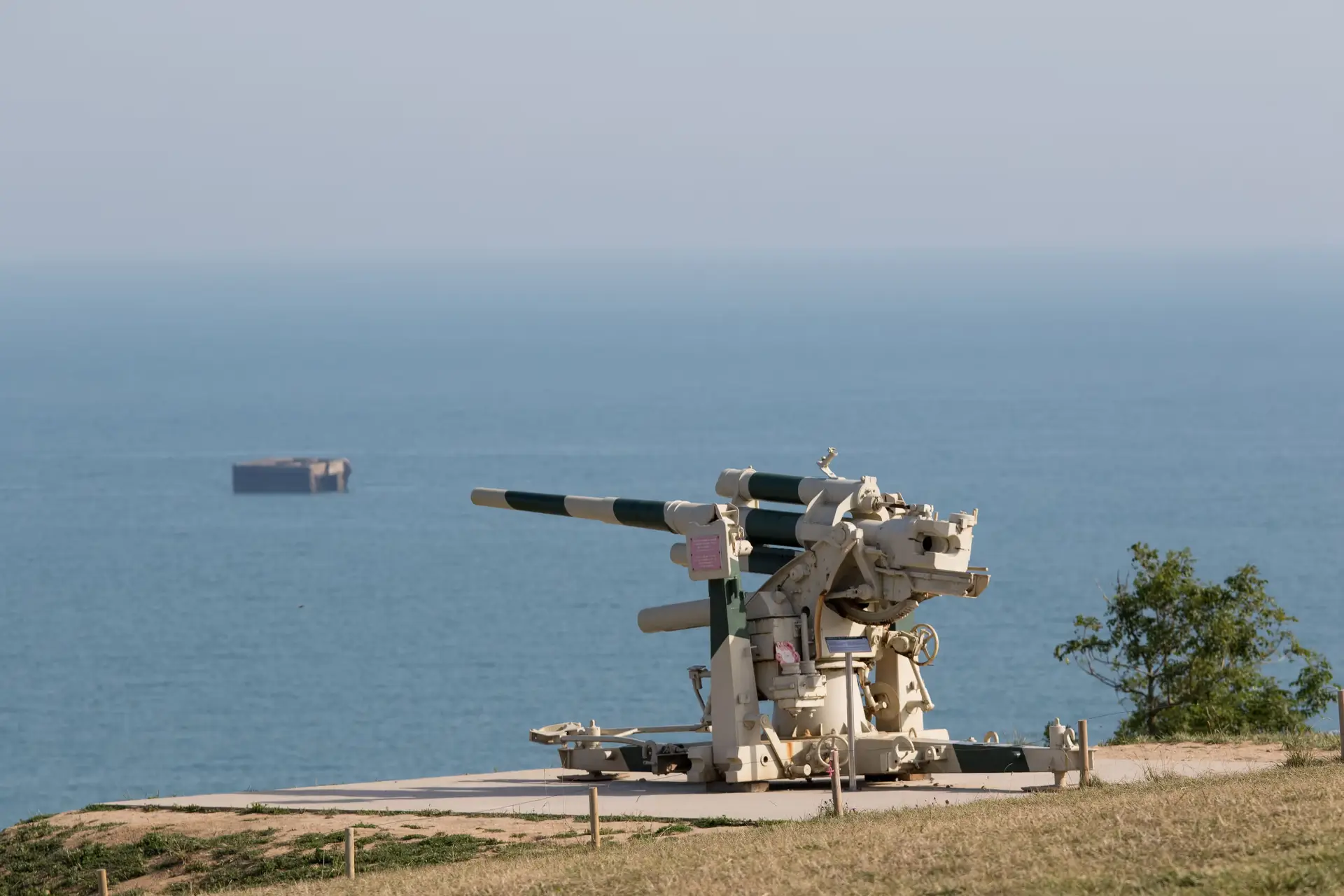
The sea lanes off the Horn of Africa are quietly reclaiming their reputation as some of the most perilous commercial waters on the globe. After a decade of relative calm bought by international naval patrols, old security vulnerabilities have resurfaced. The violent resolution of a high-seas hostage situation off Somalia’s semi-autonomous Puntland state demonstrates both the resurgence of regional piracy and a shifting geopolitical order in the western Indian Ocean.
For ten days, the MV Latuf—a Cameroon-flagged cargo ship that departed the Turkish port of Tekirdag in late July bound for Dar-es-Salaam—was held captive in waters off the Nugal region following its hijacking on August 17. The standoff concluded not with prolonged diplomatic negotiations or ransom payments, but with lethal military force.
According to the Somali Ministry of Defence, a joint operation between Somali and Turkish armed forces applied continuous pressure on the hijackers until the remaining bandits abandoned the vessel. By the time forces secured the cargo ship, fourteen pirates had been killed and four of their skiffs destroyed. Local elder Abdullahi Warsame from Puntland’s Jiifle community confirmed that both the ship and its crew were rescued, allowing the MV Latuf to resume its journey toward Tanzania.
This direct military action serves as a practical demonstration of a bilateral defense cooperation agreement signed between Mogadishu and Ankara. Rather than waiting on international naval coalitions to restore order, Somalia is relying on Turkish military support to patrol its coastline and safeguard commercial traffic.
The timing of the assault is hardly accidental. Figures from the International Maritime Organization show that pirate attacks off the Somali coast have escalated since April, with at least 15 incidents recorded this year—the highest volume since 2013. At least five cargo vessels have been held hostage, including a ship seized off the coast of Yemen.
When global security infrastructure falters and international deployments thin out, regional powers with concrete commercial interests tend to step into the void. Ankara’s willingness to deploy lethal force along African trade corridors serves a clear purpose: protecting mercantile trade while securing a strategic foothold in the region. Soft power may dominate conference halls, but on the high seas, heavy weapons remain the ultimate guarantor of free trade.
Written by Andreas Hofer andreas.hofer@alpineweekly.com