Oct 27, 9:02 PM
Seventeen Years of Unchecked Fraud at Swiss Federal Railways
A multi-million-franc scam exposes the astonishing complacency inside Switzerland's state-backed rail monopoly.
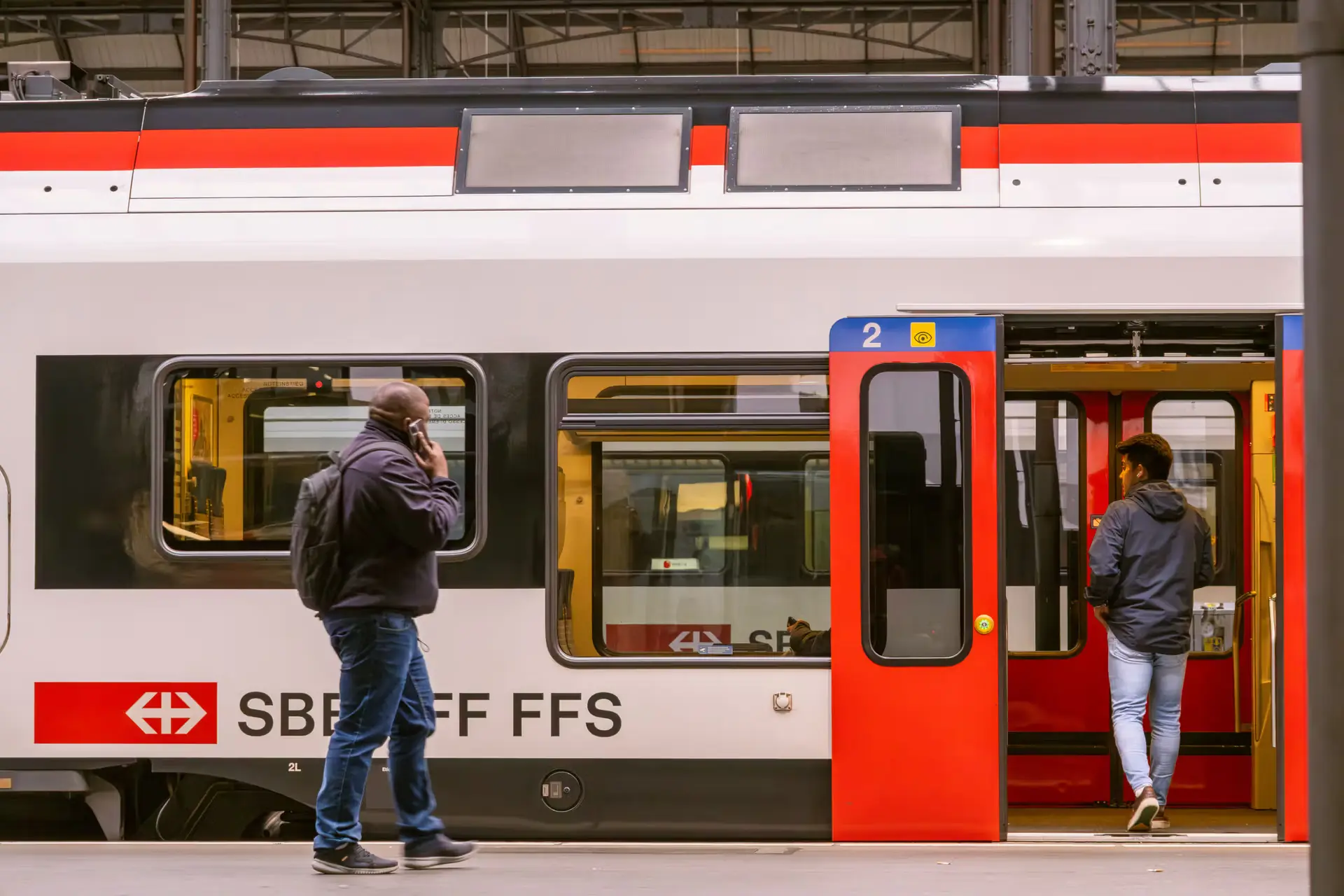
In Bellinzona, federal prosecutors are demanding a prison sentence of six years and five months for a former department head at Swiss Federal Railways who turned the state-owned rail operator into his private finance mechanism. Over seventeen years, the fifty-four-year-old manager extracted roughly 8.7 million Swiss francs through a network of shell companies and fraudulent invoices.
The mechanics of the operation were astonishingly simple, thriving in an environment defined by institutional trust and alarming laxity. The executive began his fraudulent enterprise in late 2007, gradually enlisting a close friend, two other associates, and his own sister, who established two entities specifically to generate fictitious billings. For years, SBB dutifully settled invoices for materials and services that were never delivered, entirely oblivious to the bleed in its balance sheet.
The scheme worked precisely because SBB's internal governance was virtually non-existent. The defendant held dual administrative roles within the internal corporate system, allowing him to originate purchase requests and approve the resulting orders himself without any oversight from a dedicated procurement team. Anyone looking for a textbook illustration of state-enterprise complacency need look no further.
The proceeds of this long-running deception funded an appetite for high-end luxury. Federal prosecutors detailed an inventory of acquisitions that included real estate in the canton of Solothurn, a property in Florida, a collection of weapons, and a garage filled with high-performance automobiles, headlined by a Lamborghini worth nearly 400,000 francs alongside two Porsches and a Ford Mustang Shelby.
Statute of limitations rules restrict the criminal proceedings to actions taken since April 2011, reducing the actionable fraud sum in court to approximately five million francs, which SBB is attempting to recover as a private claimant. The defense strategy did not bother to deny the mechanics of the scheme, choosing instead to point fingers at the railway company itself for gross negligence. SBB systematically failed in its duty of supervision, allowing employees without proper authorization to trigger orders and clear payments without a single secondary check.
When a public corporation operates with taxpayer backing and a regional monopoly, accountability frequently becomes a secondary concern. The trial highlights a recurring Swiss vulnerability: a naive assumption that institutional duty guarantees moral integrity. That it took seventeen years and a belated internal realization in late 2024 to dismantle such an uninspired scam says far more about the corporate culture at SBB than the sophistication of the perpetrator.
Written by Thomas Nussbaumer thomas.nussbaumer@alpineweekly.com