Nov 12, 1:01 PM
Germany Expands Theoretical Driving Licence Tests to Include Kurmanji and Ukrainian
A regulatory package approved by the Bundesrat also simplifies the recognition of foreign driving credentials from Ukraine and Montenegro.
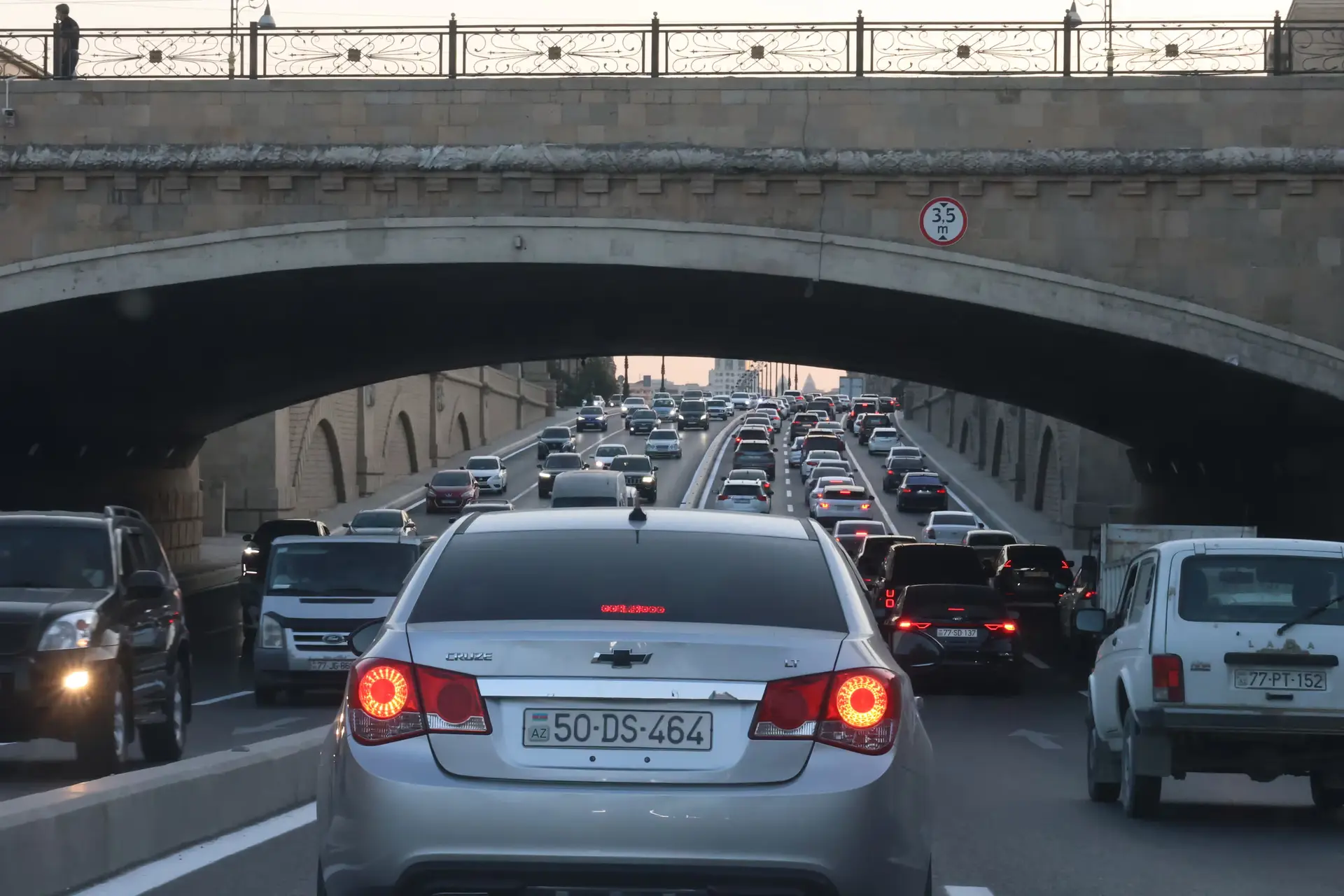
Germany will allow candidates to take the theoretical driving licence examination in Kurmanji Kurdish and Ukrainian starting next April. The change forms part of a broader regulatory package approved by the Federal Ministry of Transport in mid-August 2026 and subsequently passed by the Bundesrat.
The measure originated under the previous governing coalition and was maintained by the Federal Ministry of Transport under the government led by Friedrich Merz. In addition to expanding language options for standard driving tests, the decision streamlines administrative procedures for foreign licence holders. Under the new rules, driving licences issued in Ukraine and Montenegro can be converted into German licences through a simplified procedure.
The regulatory package also includes modifications to professional driver qualifications. Examinations for commercial drivers have been shortened and can be taken in nine foreign languages, which include Arabic, Turkish, Russian, and Ukrainian. Before the adoption of this package, candidates taking the standard theoretical driving examination in Germany could already choose from twelve languages, including Turkish, Russian, and Standard Arabic.
Standard Arabic was added to the official list of examination languages in 2016 by then Transport Minister Alexander Dobrindt in response to migration figures from 2015, aimed at allowing individuals from countries such as Syria and Afghanistan to acquire a licence. The language had previously been removed from the exam system in 2011 following repeated attempts at manipulation during tests.
The initiative to add Kurmanji Kurdish was pushed forward by the Kurdish Community in Germany. According to representative Shilan Kurdpour, speaking to the news portal Kurdistan24, the initiative has a dual benefit: Kurdish citizens benefit from being able to obtain a driving licence, while the German state benefits from the contributions of Kurdish citizens to the country.
Written by Christiane Hofreiter christiane.hofreiter@alpineweekly.com