Oct 28, 5:01 PM
Five Ballots in One Day: Bern Packs the Spring Agenda
An election year calendar compression forces Swiss voters to clear a dense legislative backlog early.
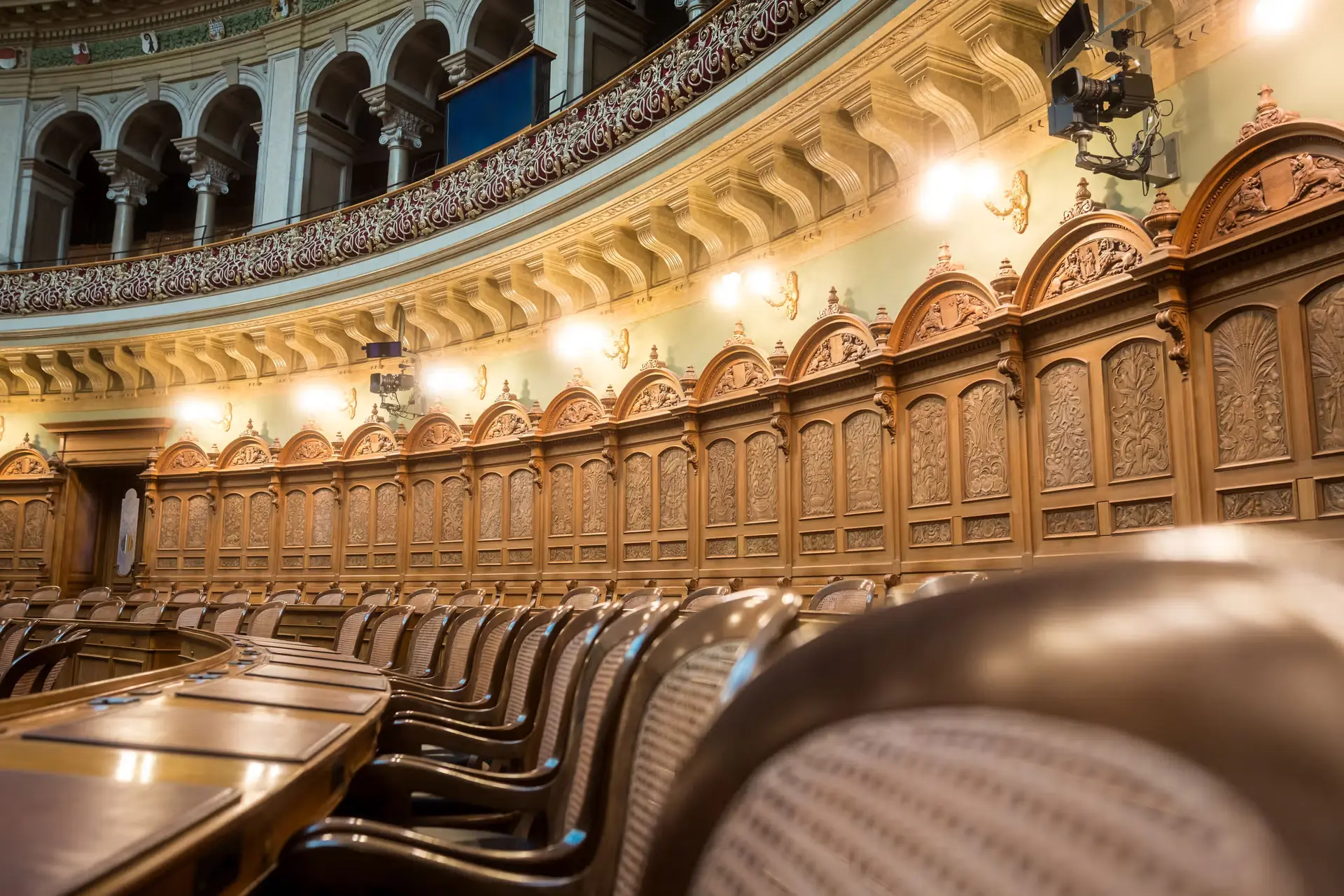
Direct democracy in Bern is serving up a surprisingly heavy menu for February 28, 2027. Five distinct national issues will land on ballot papers in a single morning, forced into a tight administrative window by the strict rhythms of the political calendar.
The package represents a characteristic mix of market realism and symbolic regulation. Voters must decide whether to remove the prohibition on constructing new nuclear power plants, a key decision for national energy infrastructure. Alongside this sits a free trade agreement with Malaysia, offering clear commercial ties. Balancing these hard economic choices are proposals of a softer nature: an initiative seeking to ban foie gras, a democracy initiative, and a technical rule regarding cantonal minimum wage declarations.
This dense schedule is largely the result of administrative tradition during national election years. To prevent substantive policy debates from being hijacked by autumn parliamentary campaigns, the Federal Council routinely scraps ballot dates in the second half of the year. Confining the national agenda to just two voting days in 2027 forces an unusually packed spring. Normally, an entire election year yields barely four proposals on average; February alone will surpass that total in a single morning.
Despite the crowded ballot, five votes do not set a historical record. That distinction belongs to May 18, 2003, when citizens parsed through nine separate measures dealing with everything from army reforms to car-free Sundays. Since the turn of the millennium, voters typically settle eight to nine national questions annually spread over four weekends. February's agenda is merely an accelerated exercise in civic self-determination.
The pressure on the electorate will hardly subside after the winter vote. The subsequent June ballot date is already accumulating weight, with eight initiatives pending in parliament, an active petition drive against the Mercosur trade deal, and the unresolved question of whether the bilateral package with the European Union will be ready for a decision. While European technocrats prefer top-down decree, Swiss voters will once again be left to manage their own affairs at the urns.
Written by Freya Stensrud freya.stensrud@alpineweekly.com