
Nov 12, 3:01 PM
European Parliament Approves Proxy Voting Rights for Female Lawmakers Around Childbirth
Male MEPs remain excluded from delegating votes under the amended rules, which still require ratification by all 27 member states.
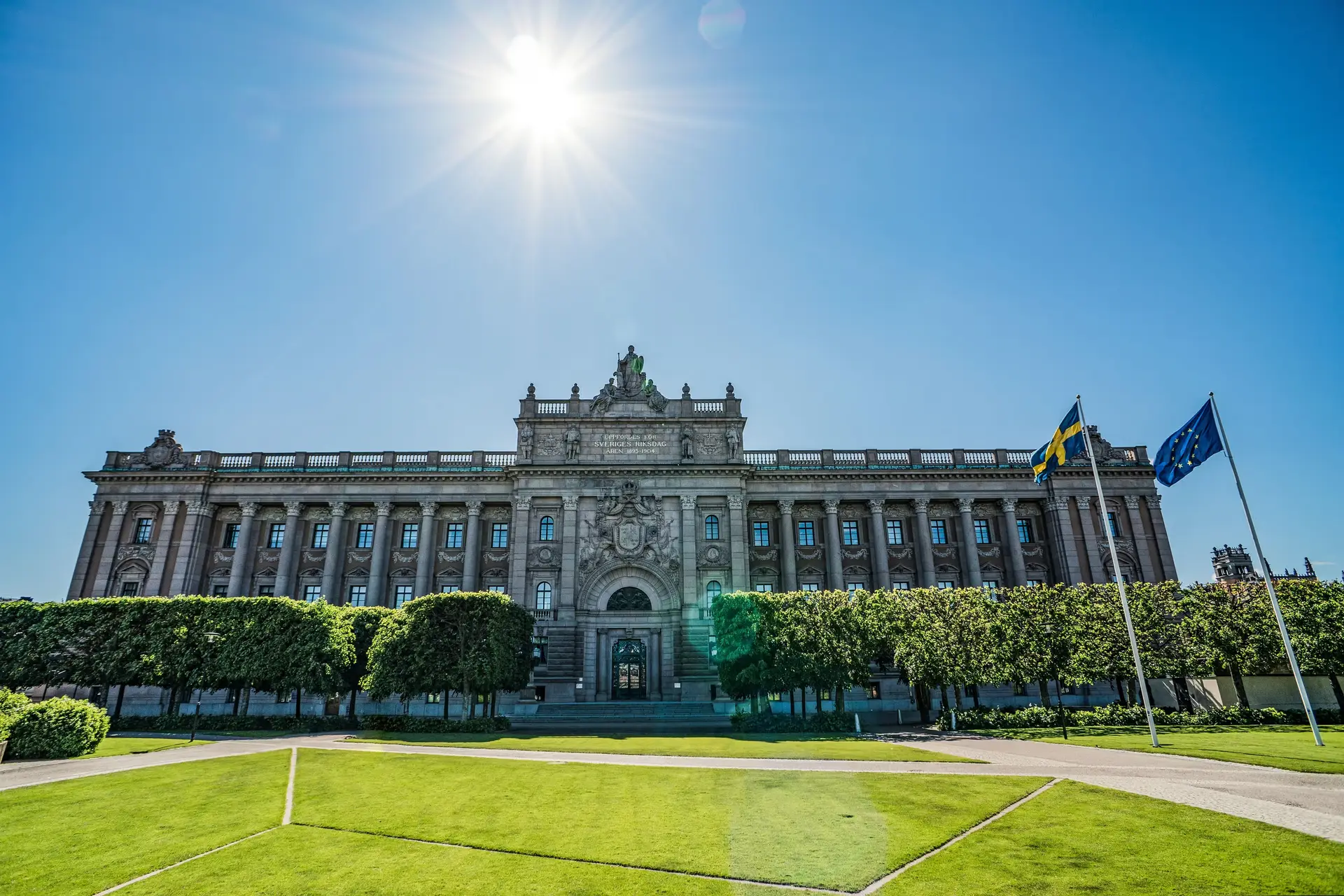
The European Parliament has given final approval to a rule change that allows female lawmakers to delegate their votes during the months surrounding childbirth. Under the approved proposal, female members of the European Parliament can appoint a colleague to cast votes on their behalf for up to three months before their due date and six months after giving birth. Male lawmakers will not be eligible to use the proxy voting system.
The decision introduces a temporary exemption to the requirement that lawmakers must cast their votes in person during plenary sessions. Existing parliamentary regulations permit both male and female members to take justified absences from two months prior to birth until four months afterward. However, those standard absence rules do not provide a mechanism for absent lawmakers to maintain their vote during legislative sessions.
Implementation of the new proxy voting framework requires a formal revision of the European Electoral Act. To take legal effect across the institution, the reform must obtain approval from all 27 European Union member states and undergo formal ratification by their respective national parliaments. According to parliamentary figures, ten member states have completed the national ratification procedure so far.
The decision to limit proxy voting exclusively to mothers followed procedural and political negotiations within the chamber. Spanish Socialist MEP Juan Fernando López Aguilar, who drafted the legislative amendment, stated that including male lawmakers would have created an overly complex ratification process that risked failing to secure unanimous member state agreement. Dutch Socialist MEP Lara Wolters, who managed the file through the chamber, indicated that she supported extending similar voting rights to fathers and adoptive parents.
An earlier proposal to include male lawmakers was rejected during a vote in November 2025. Opponents of extending the measure argued that the provision is meant specifically to address physical recovery. Marieke Ehlers, a Dutch MEP representing the Patriots for Europe group, stated that the amendment addresses physical incapacitation related to childbirth and therefore cannot apply to male or foster parents. The provision remains pending until all remaining national parliaments ratify the electoral act changes.
Written by Christiane Hofreiter christiane.hofreiter@alpineweekly.com