Oct 24, 6:01 AM
Drones Over Rome: Italy's High-Tech Siege Against Economic Reality
As rising living costs spark nationwide outrage, the Italian state deploys soldiers and digital surveillance to maintain order.
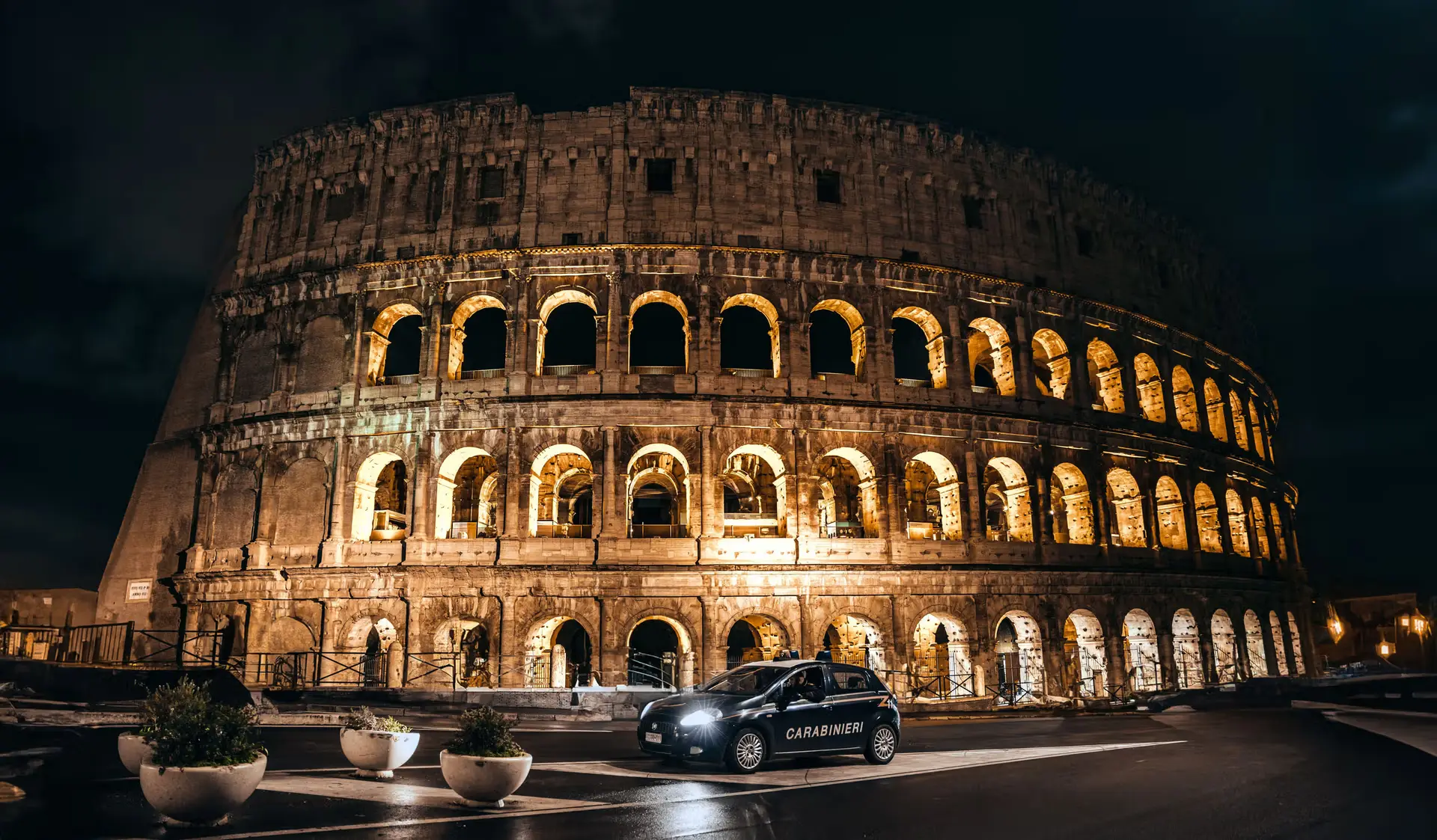
When a state must deploy aerial surveillance and hundreds of military personnel to guard its urban centers against its own citizens, one might ask where the political social contract went off the rails. On Saturday, October 24, Italy's major cities—from Rome to Milan, Turin, and Florence—are transforming into heavily monitored security zones as authorities brace for nationwide demonstrations against the unrelenting cost of living.
The state's response relies heavily on high-tech intimidation and sheer manpower. In Rome, approximately 1,500 officers backed by the State Police's 1st Flight Department and Carabinieri aircraft are securing transit hubs and public squares. Milan presents an even more martial picture: a thousand police officers and Carabinieri are joined by 300 municipal agents and 500 soldiers deployed under recent government security decrees. Key commercial zones, including the areas surrounding the Duomo, Garibaldi, and Porta Venezia, have simply been declared off-limits to marchers.
This heavy-handed apparatus extends deep into the digital sphere. In Rome, the Cybersecurity Centre works alongside Digos to scrape platforms like Telegram, TikTok, and Instagram. Activists have turned these networks into tactical manual distribution channels, sharing advice on how to neutralize tear gas with vinegar, water, and painkillers, or what gear to wear when confronting law enforcement.
The anxiety haunting the authorities is not unfounded. Violence flared on October 17 and 18, resulting in damaged shops and clashes with security forces. In response, Digos conducted pre-emptive sweeps targeting around 100 individuals across cities such as Bari, Bergamo, Florence, Genoa, and Verona. Tellingly, 51 of those searched were minors—a grim indicator of how early economic disillusionment takes root among the youth. In Turin, hardline activists linked to the former Askatasuna social centre, alongside the 17 October Movement and student groups, prepare to march from Piazza Arbarello at 2 p.m.
With over 30 mobilisations mapped out across the country, including strikes and assemblies, the state is treating economic discontent primarily as a domestic security threat. Deploying drones over historic plazas may clear the streets for a weekend, but it hardly solves the underlying economic rot driving people into them.
Written by Andreas Hofer andreas.hofer@alpineweekly.com