Nov 2, 1:01 PM
Diplomatic Paperwork Cannot Stop the Drone Swarms in the Horn of Africa
Khartoum’s complaints to the UN against Ethiopia reveal the grim reality of low-cost regional proxy warfare.
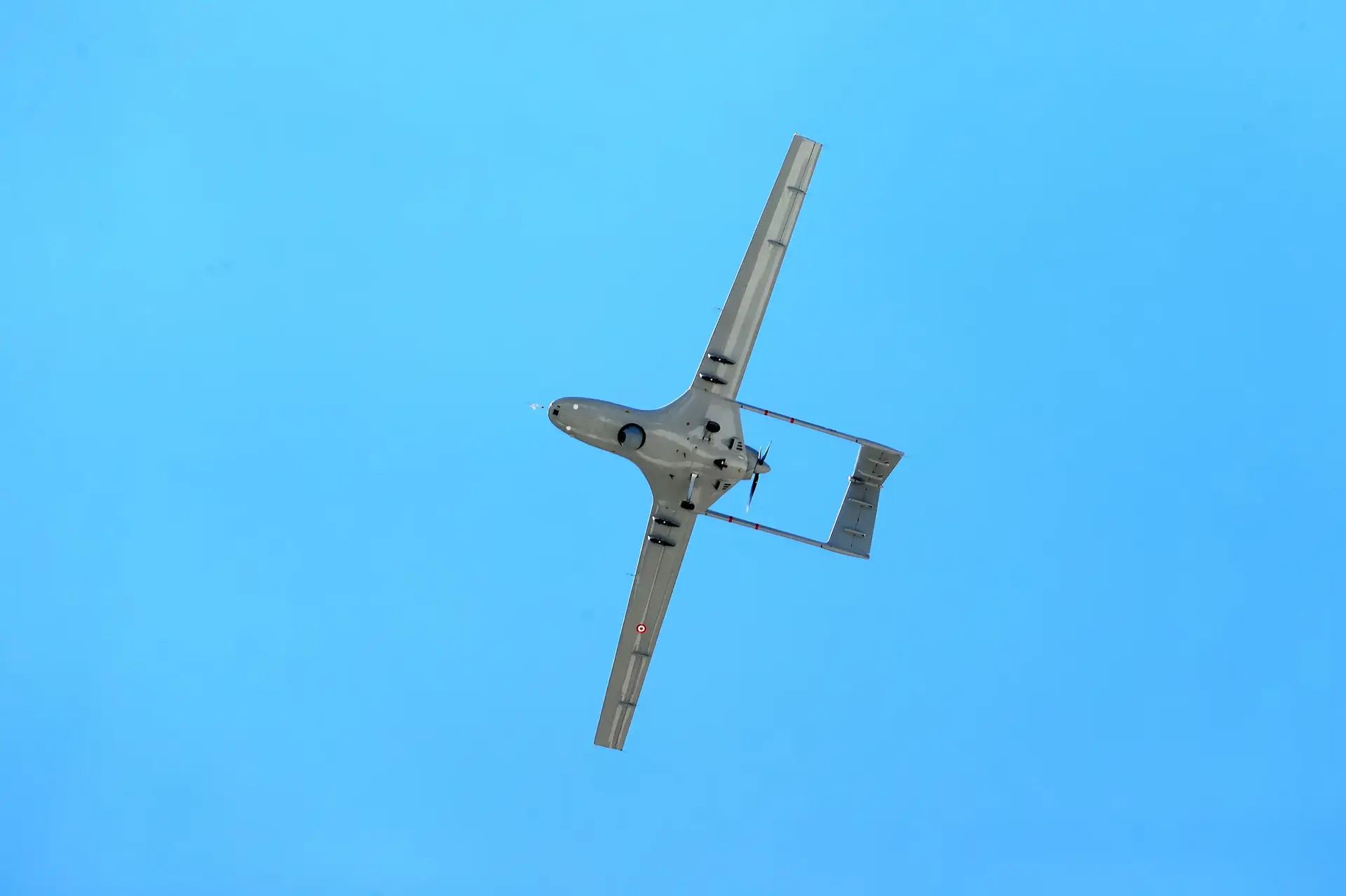
Diplomacy in the Horn of Africa has long operated under a thin varnish of formality, but the latest maneuvers in New York and Addis Ababa stretch credulity to its limits. Facing a brutal civil war at home, Sudan’s army-led government has turned to the United Nations Security Council and the African Union to register a diplomatic protest. Its target is not merely its battlefield rival, the Rapid Support Forces, but neighboring Ethiopia, which Khartoum accuses of providing launchpads for a deadly campaign of foreign-made kamikaze drones.
According to a detailed report from Sudan’s army-led Transitional Sovereignty Council, the northern neighbor’s airspace and military infrastructure have become integral to the conflict. Between mid-February and late October, Khartoum recorded 70 distinct drone assaults involving 187 one-way attack drones. The strikes targeted critical power stations and civilian infrastructure, leaving 484 civilians dead or injured, alongside 176 soldiers killed and another 200 wounded. Khartoum specifically identified facilities at Asosa Airport, the Kurmuk-Gizen border area, and the Bahir Dar airbase in Amhara as the launch points for these incursions.
The narrative of regional proxy warfare is hardly novel for this corner of the continent. Since the violent schism between Sudan’s armed forces and the paramilitary group erupted in April 2023, cross-border accusations have flowed freely. Addis Ababa has previously charged Khartoum with harboring rebels linked to the Tigray People’s Liberation Front—an assertion the Sudanese army denies. Now, the tables have turned, with Sudan claiming that Ethiopian soil provides operational depth for paramilitaries targeting strategic regions like Blue Nile. One October strike alone on displaced families in Wad el-Mahi resulted in thirty civilian deaths, overwhelmingly women and children.
Yet, sending formal grievances to the UN Security Council highlights the profound impotence of international architecture when balanced against tactical expediency. While UN Secretary-General Antonio Guterres expressed condemnation over the escalating toll of unmanned strikes—including separate incidents in Darfur that killed over a hundred people—statements of concern remain toothless currency. The rapid proliferation of cheap, lethal drone technology has fundamentally reordered regional power dynamics, allowing non-state actors and opportunistic neighbors to wage high-intensity warfare across borders with plausible deniability.
Whether the UN or the African Union possesses the political leverage to compel compliance with international law is a question answered by the conflict’s trajectory itself. For the military rulers in Khartoum, filing complaints provides a diplomatic offensive. For Ethiopia, silence maintains geopolitical leverage. Meanwhile, the strategic reality remains unaltered: as long as borders remain porous and unmanned aviation remains cheap, procedural complaints in international halls will do nothing to arrest the devastation on the ground.
Written by Andreas Hofer andreas.hofer@alpineweekly.com