Nov 6, 3:01 PM
Die Linke Executive Defends Youth Rallies Following Violent Riots in Frankfurt
Maria Lara Moubarak rejects calls for assembly bans after 180 police officers were injured in weekend clashes.
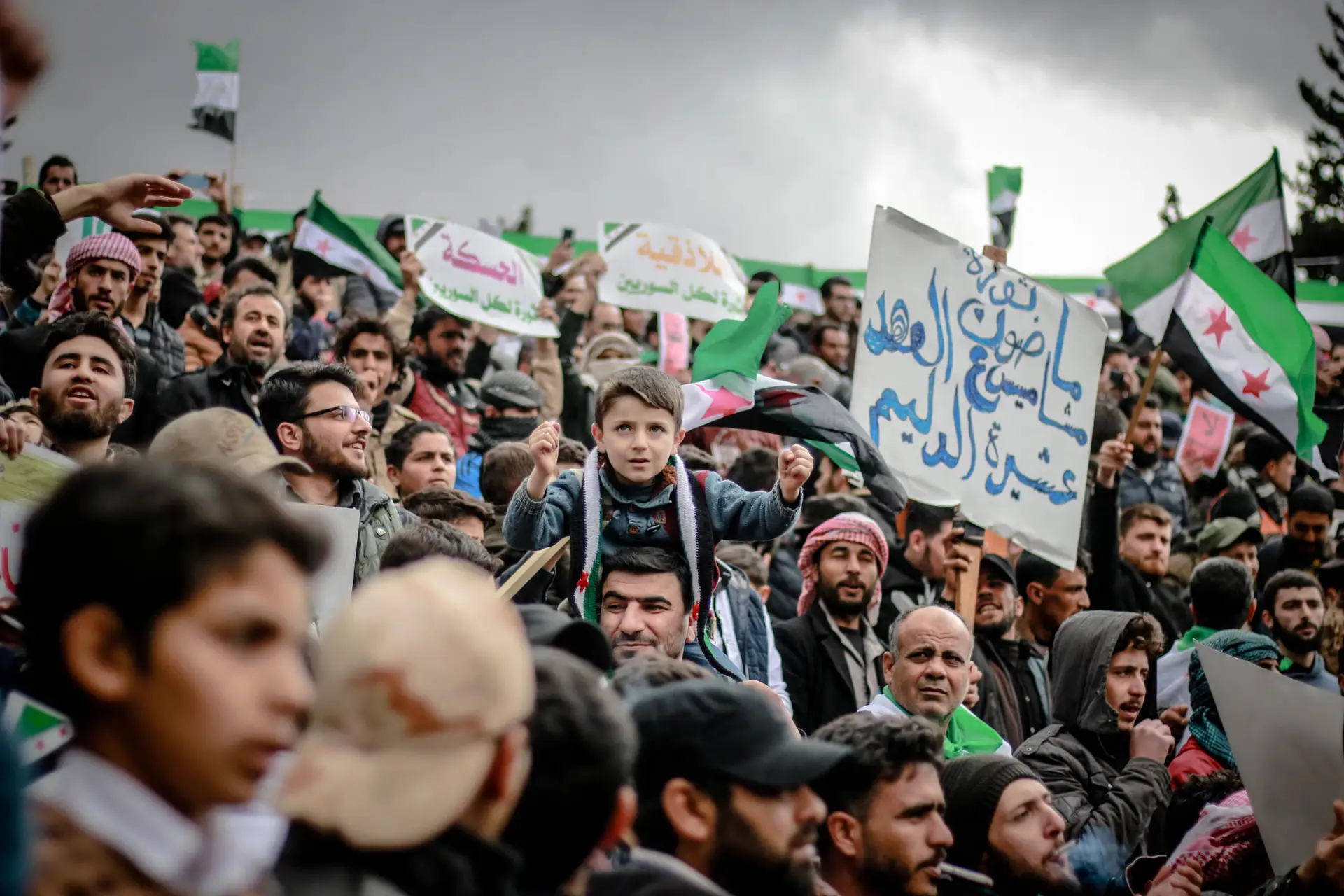
A major political conflict has erupted in Germany following violent riots during recent nationwide youth demonstrations, with opposition politicians sharply criticizing government calls to restrict future assemblies. Maria Lara Moubarak, the youth policy spokesperson on the executive board of the left-wing party Die Linke, rejected proposals to ban upcoming rallies, arguing in remarks to the Neue Osnabrücker Zeitung that members of the federal government, rather than protesting students, were responsible for endangering public livelihoods. The stance follows statements by Hessian Interior Minister Roman Poseck, who questioned whether upcoming events should be permitted after major unrest in Frankfurt am Main.
The escalations occurred during weekend demonstrations organized under the banner "Gen Z regelt" across several German cities. In Frankfurt am Main, groups of rioters attacked law enforcement officers, vandalized retail locations, and looted multiple businesses, including a firearms shop. According to figures released by law enforcement authorities, 180 emergency personnel sustained injuries during the clashes. Police have identified 55 suspects in connection with the destruction, noting that approximately three-quarters of those investigated hold foreign nationalities, including several with dual German citizenship.
Following the violence, Poseck raised concerns regarding the security apparatus's ability to maintain order during future demonstrations. In an interview with public broadcaster ARD, the minister stated that assembly organizers had failed to maintain control over the crowds, emphasizing that gatherings prone to violence ought not to receive authorization. His comments specifically targeted a new round of nationwide protests scheduled for November 20.
Moubarak dismissed the proposed restrictions as an unacceptable infringement on fundamental constitutional rights, asserting that social progress relies on public resistance rather than compliance. She confirmed that organizers intend to proceed with the planned demonstrations on November 20, coordinating with union groups and student initiatives opposing compulsory military service in a coordinated action across Europe.
The debate has also expanded into broader political accusations regarding the government's handling of civil unrest and migration issues. Luigi Pantisano, a leader within Die Linke, publicly criticized Federal Interior Minister Alexander Dobrindt of the Christian Social Union, alleging that the minister sought to use the violent incidents to provoke public sentiment against foreign residents. Pantisano further sought to contextualize the riots by citing structural deficiencies in public education, maintaining that deteriorated school infrastructure, such as rodent infestations in classrooms, represented its own form of violence against youth.
Written by Freya Stensrud freya.stensrud@alpineweekly.com