Oct 31, 9:01 AM
Curriculum by Photoshop: Syria’s Clumsy Rewriting of History
Airbrushing classical art and retrofitting hijabs in primary school books reveals a state bureaucracy wrestling with ideological control.
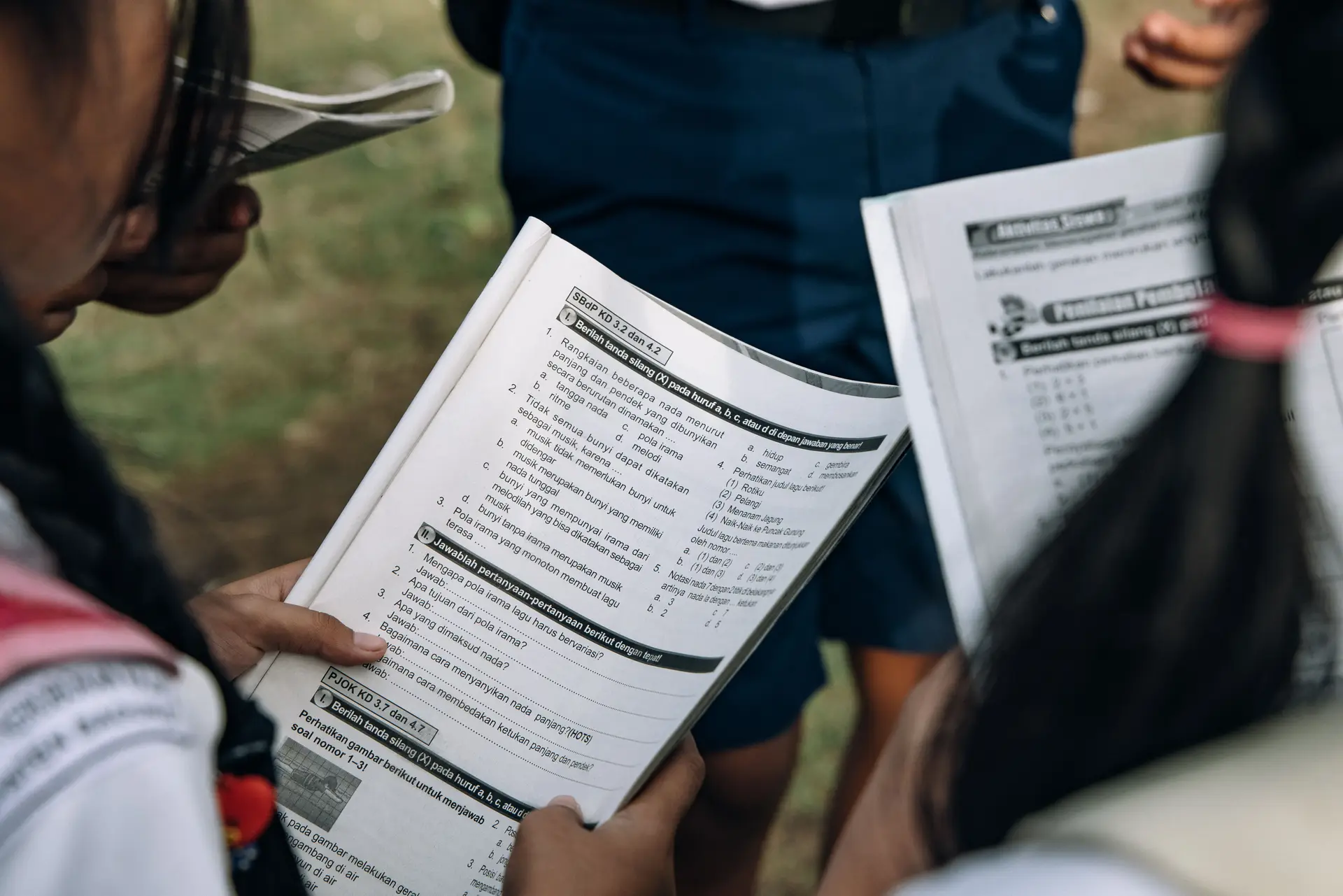
State bureaucracies have long struggled with history, but rarely has the machinery of official re-education operated with the literal clumsiness of crude graphic editing software. In Syria, primary school pupils opening their textbooks this term are being offered a masterclass not in critical inquiry, but in the awkward digital retrofitting of cultural heritage.
Recent revisions across several grades have transformed classroom materials into a battleground of visual editing. Da Vinci's Mona Lisa has vanished entirely from social studies pages, while ancient pharaonic statues find themselves dressed in striped shirts. Drawn female figures have had headscarves digitally superimposed onto their hair, often with startling inconsistency—leaving a depicted female doctor wearing a hijab on one page and appearing bareheaded on the next. Even the ancient Phoenician princess Elissar had her neck covered via photo editing, ensuring that antiquity conforms to contemporary sensibilities.
Yet the graphical meddling is merely the surface layer of a broader rewrite. Social studies modules have been stripped of content dealing with political life, citizenship, media literacy, and democratic participation. National figures have been systematically deleted or exchanged. Gamal Abdel Nasser has disappeared from historical passages, while national figures executed by Ottoman authorities have been re-branded as foreign agents. Elsewhere, geographical maps have quietly omitted the district of Iskenderun and the Golan Heights.
Syria's Ministry of Education has moved to downplay the public backlash, claiming the adjustments are neither new nor ideologically driven. Official statements maintain that changes were strictly limited to purging the lingering symbols and ideology of the former regime. Education Minister Mohammad Abdulrahman Turko explained during a parliamentary hearing that adopting a unified national curriculum for the 2026–2027 academic year necessitated removing former regime artifacts, adding that a two-year transition period has been granted to pupils adjusting to the standardized material.
Official explanations, however, do little to clarify why removing a fallen political order requires placing digital fabric over a Bronze Age princess or removing world-famous paintings from elementary education. When state authorities claim to build modern educational standards while devoting energy to airbrushing textbook illustrations, the result is neither cultural preservation nor genuine progress. It is simply an overreaching apparatus attempting to manufacture social uniformity at the expense of basic educational substance.
Written by Christiane Hofreiter christiane.hofreiter@alpineweekly.com