Oct 29, 5:02 AM
Cracks in Havana’s UN Shield
Decades of near-unanimous international sympathy for Cuba give way to diplomatic pragmatism in New York.
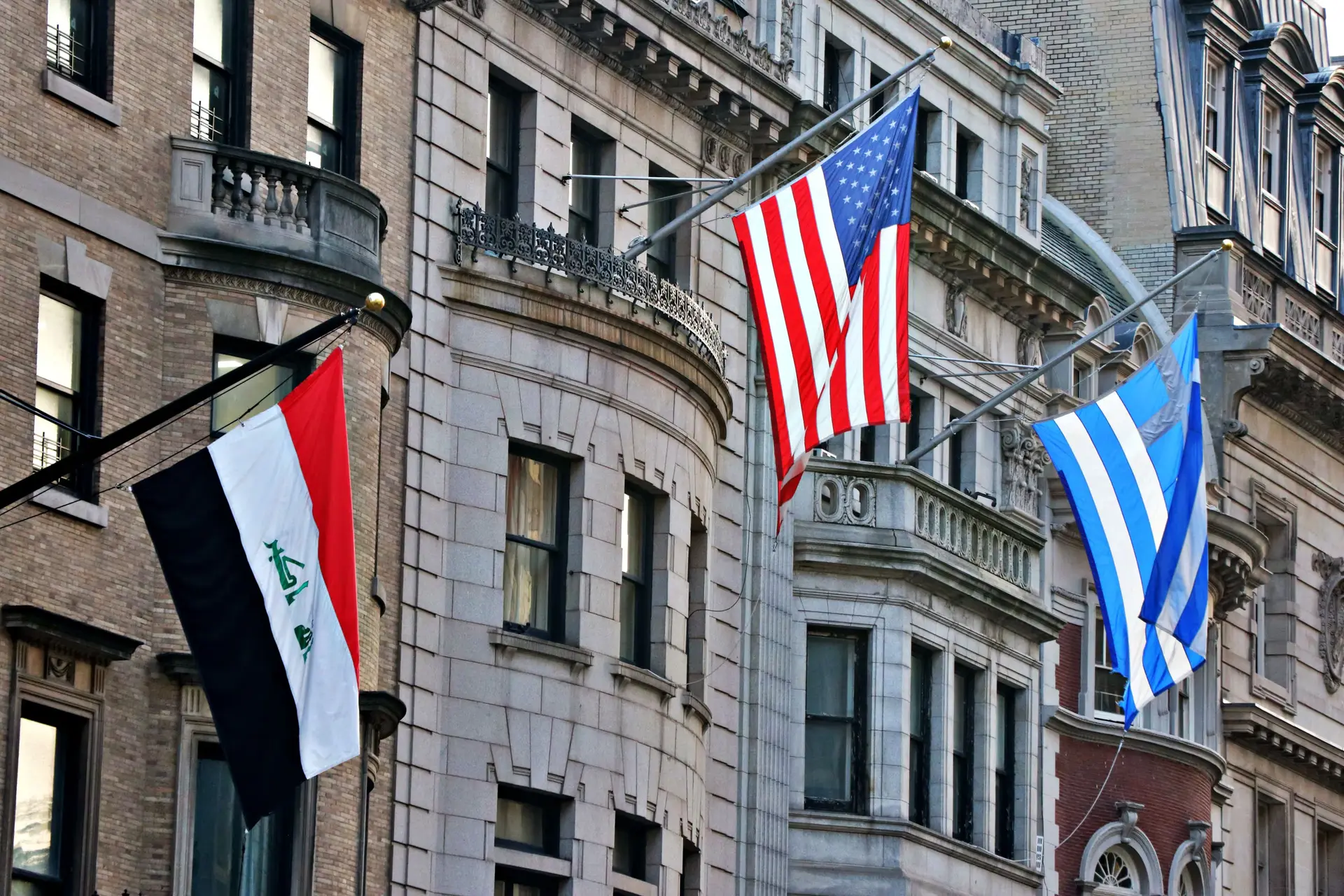
The annual ritual in New York has taken an unexpected turn. For decades, Havana could rely on almost total global alignment whenever the United Nations General Assembly gathered to condemn the American trade embargo. That diplomatic wall is now showing distinct cracks. Although the General Assembly passed its customary resolution calling for an end to economic sanctions, support dropped to its lowest level since 1995.
Only 130 nations voted in favour of the non-binding resolution, a marked decline from the more than 160 countries that backed it just last year. Against them stood 17 nations, while 25 chose to abstain. The shift was particularly striking across Europe, where Germany, Italy, and Latvia abstained for the first time in 34 years. Meanwhile, Slovenia joined Colombia, Costa Rica, Ecuador, Morocco, and Bosnia in casting votes against the resolution, many doing so for the very first time.
Inside the assembly hall, the diplomatic debate deteriorated into an unusually fiery spectacle. United States Ambassador Mike Waltz rejected claims that Cuba operates under an external blockade, asserting that the hardship faced by ordinary citizens stems from a corrupt communist regime. To emphasize his point, Waltz displayed photographs of Cuban leaders, including President Miguel Díaz-Canel, wearing luxury watches while ordinary Cubans face severe shortages. The display prompted members of the Cuban delegation to bang on their desks in protest.
Cuba’s Foreign Minister, Bruno Rodríguez, personally confronted Waltz on the floor, accusing Washington of attempting to dictate his nation's destiny and seize its wealth. President Díaz-Canel subsequently accused the United States of employing gangster-like coercion to intimidate UN members into altering their votes.
The roots of the embargo trace back to 1960 following Fidel Castro’s revolution and the nationalisation of American property. Today, Washington's economic pressure has intensified. Following threats by President Donald Trump to impose tariffs on countries delivering oil to Cuba, fuel shipments have dropped sharply, worsening widespread power outages and disrupting basic utilities such as water, internet, and telephone services.
While Havana continues to attribute every domestic crisis to external sanctions, the shifting vote counts in New York suggest that international patience with the regime's diplomatic routine is steadily eroding. Pragmatism appears to be replacing symbolic solidarity as governments re-evaluate their positions under sustained diplomatic friction.
Written by Thomas Nussbaumer thomas.nussbaumer@alpineweekly.com