Nov 21, 9:01 AM
COP31 Summit Stalls over Fossil Fuel References and Climate Finance Targets
Divisions between energy exporters, European nations, and developing countries delay the final agreement in Turkey.
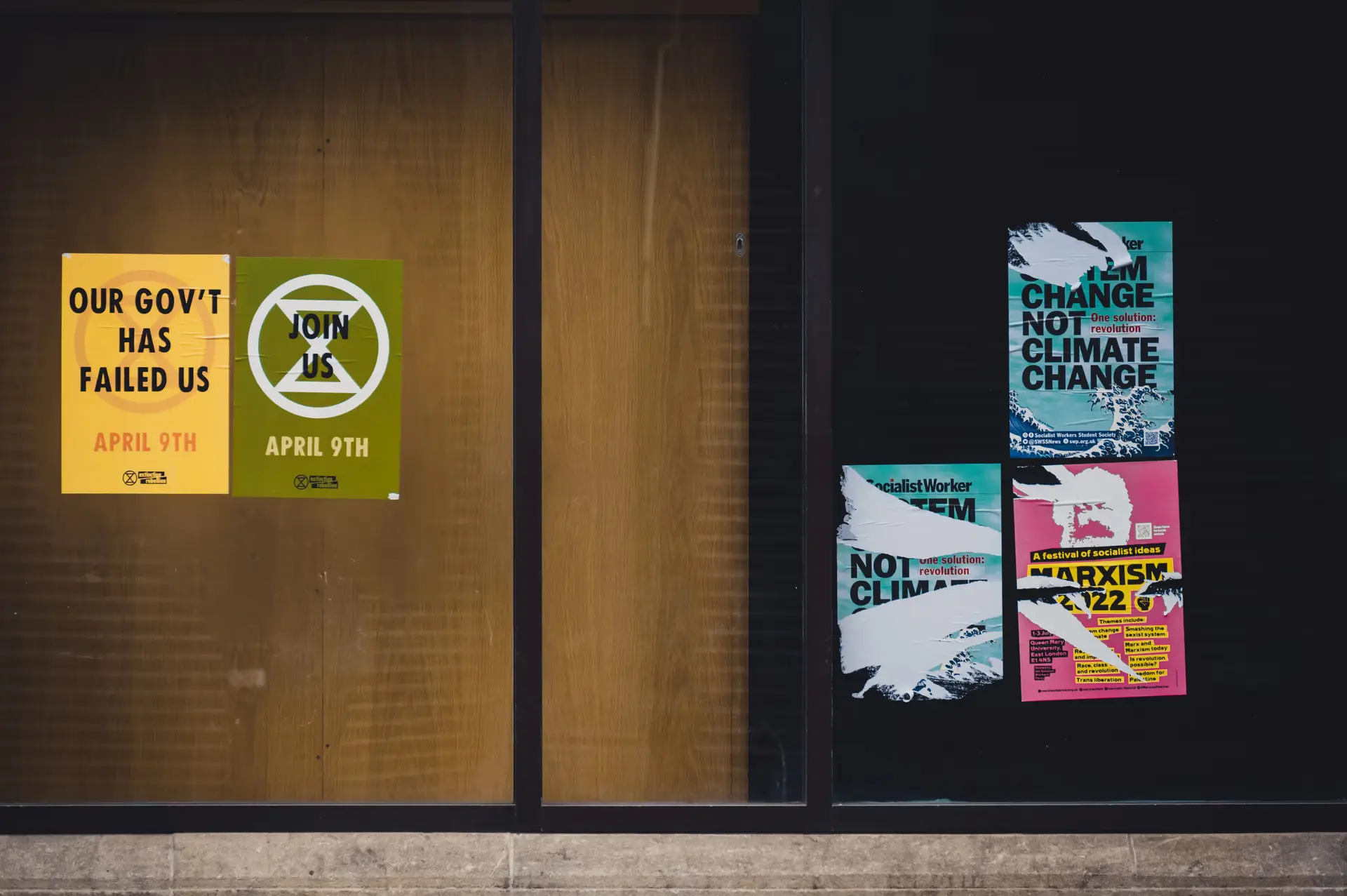
Negotiations at the COP31 UN climate summit in Turkey reached a deadlock on Saturday morning following overnight discussions over fossil fuel language and financial commitments for developing nations. Delegates are awaiting a revised draft text of the proposed agreement, known as the Antalya Accords, as deep divisions persist between oil-producing states and a bloc of European, Pacific, and Latin American nations.
The dispute intensified after a coalition led by France and Panama rejected a draft document that omitted any reference to reducing global demand for oil, gas, and coal. Environment Minister of Panama Juan Carlos Navarro rejected the draft, stating that it is not acceptable to have a COP or a cover decision that does not even mention fossil fuels and we simply will not put up with it. French Minister of Ecological Transition Monique Barbut targeted provisions promoting carbon capture, use, and storage technologies, arguing that these clauses serve as permission for countries to continue burning fossil fuels while global temperatures rise.
Representatives from several European Union member states, including Sweden, Finland, Belgium, and Spain, aligned with island nations to demand the restoration of language targeting fossil fuel reductions. However, internal divisions within the European Union emerged as other member states declined to join the push, considering the move counterproductive to reaching consensus. Australian Climate Change Minister Chris Bowen, leading the summit negotiations, stated that the conference focus remains on implementation and accelerating the transition to clean energy sources. One proposal under consideration would omit fossil fuel phase-out language in exchange for a commitment from fossil fuel producers, led by Saudi Arabia, to generate 35 percent of their power from electricity by 2035.
The deadlock occurs as the draft Antalya Accords formally acknowledge for the first time at a UN climate summit that the international goal of limiting global temperature increase to 1.5 degrees Celsius above pre-industrial levels has been missed. The text notes that the world has entered a phase of temperature overshoot, which scientists warn will increase exposure to extreme heat waves and rising sea levels.
Financial support for developing countries presents a further obstacle to an agreement, following the removal of a draft provision to scale up adaptation funding to 120 billion dollars annually by 2035. Environment Minister of Ghana and chair of the African Group of negotiators Zanetor Agyeman Rawlings rejected the removal, stating that we did not come here to beg we came here to claim what is rightfully ours for our people who are suffering the brunt of anthropogenic activities of developed countries. Conference organizers expect to publish a new draft agreement on Saturday.
Written by Thomas Nussbaumer thomas.nussbaumer@alpineweekly.com