
Nov 21, 1:01 PM
Japan Tobacco International Maintains Major Export Production in Lucerne Canton
Favourable tax conditions and flexible export regulations sustain high-volume cigarette manufacturing in Dagmersellen.
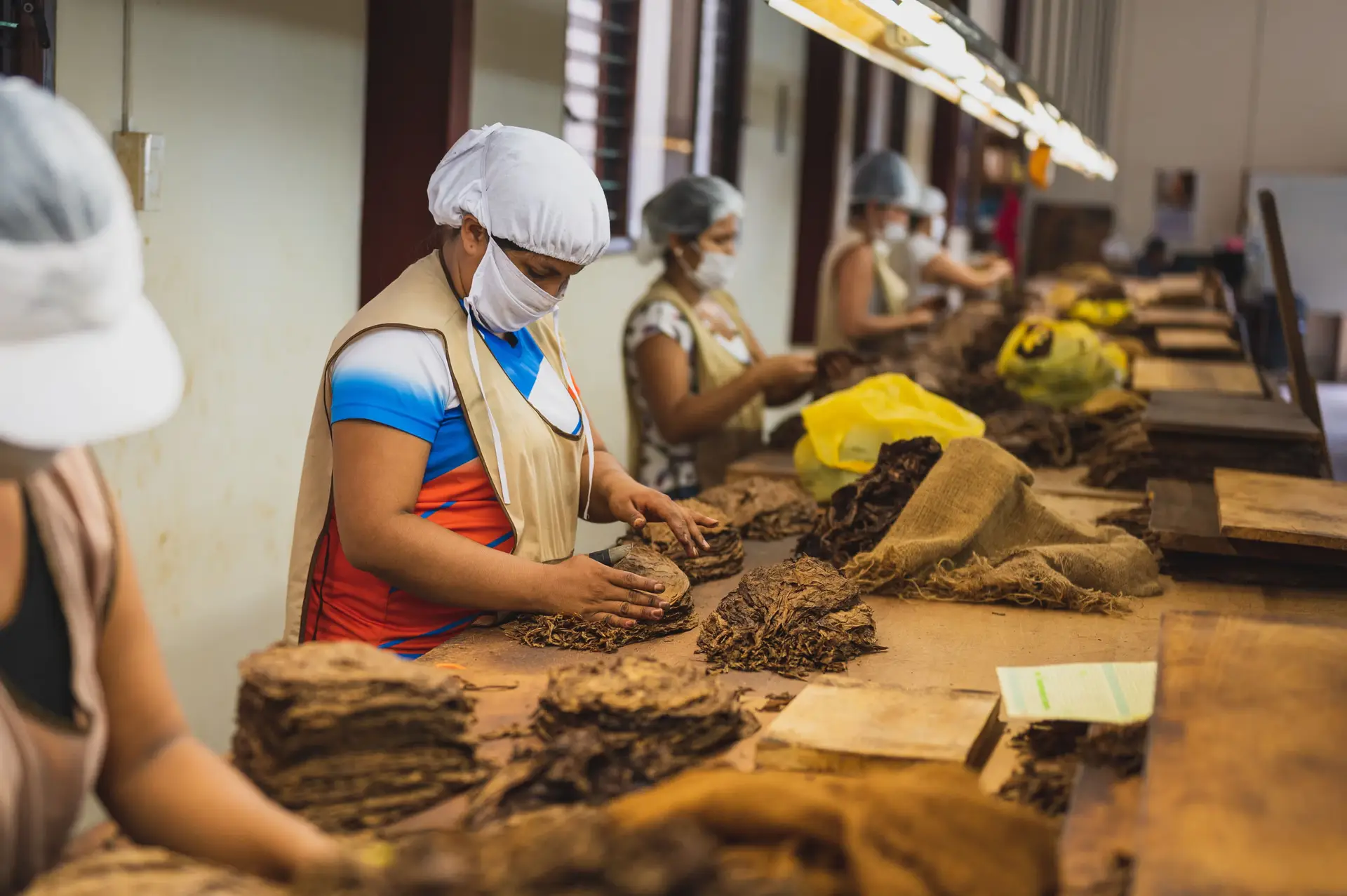
Japan Tobacco International produces more than eight billion cigarettes annually at its facility in Dagmersellen in the Canton of Lucerne, with over 80 percent of the output destined for export markets. The plant, which employs approximately 400 workers, manufactures 32 million cigarettes daily, primarily under the Camel and Winston brand names.
Despite Switzerland's high wage structure, corporate representatives attribute the plant's viability to favourable tax frameworks and regulatory conditions. Company spokesperson Renaldas Vaisbrodas stated that access to highly qualified specialists and competitive local frameworks make the site attractive within JTI's global network of nearly 40 production facilities. Swiss legal provisions also allow tobacco companies to manufacture products according to the regulations of target destination countries rather than domestic or European Union health standards.
The majority of the cigarettes produced in Dagmersellen are exported to non-European markets, including Saudi Arabia, South Africa, and Tunisia. Manufacturing at the Lucerne location originally began in 1971 under the ownership of R.J. Reynolds, before JTI acquired the operations in 1999. Inside the facility, raw tobacco leaves are rehydrated with steam, washed, cut, and flavoured, according to production manager Jan Fischels, before automated assembly lines package the finished products onto transport pallets.
Alongside traditional cigarette lines, the Dagmersellen plant has incorporated the production of components for alternative nicotine items, such as filters for tobacco heaters. JTI produces several alternative product lines, including e-cigarettes, heated tobacco devices, snus, and nicotine pouches. The company states that non-combustible nicotine delivery systems carry the potential to be less harmful than traditional cigarettes.
Health advocates maintain that alternative nicotine products carry unresolved safety questions. Wolfgang Kweitel, spokesperson for the Swiss Association for Tobacco Prevention, noted that alternative products contain different chemical compounds than traditional cigarettes and lack long-term research data. JTI acknowledged these uncertainties while confirming that product development remains focused on reduced-risk alternatives, while logistics operations in Dagmersellen continue shipping traditional and new components daily.
Written by Sandy van Dongen sandy.vandongen@alpineweekly.com