Nov 12, 9:02 PM
Colombian Air Strike Kills Senior Gulf Clan Leader in Antioquia
President Abelardo de la Espriella authorized the military operation targeting one of the country's top criminal leaders.
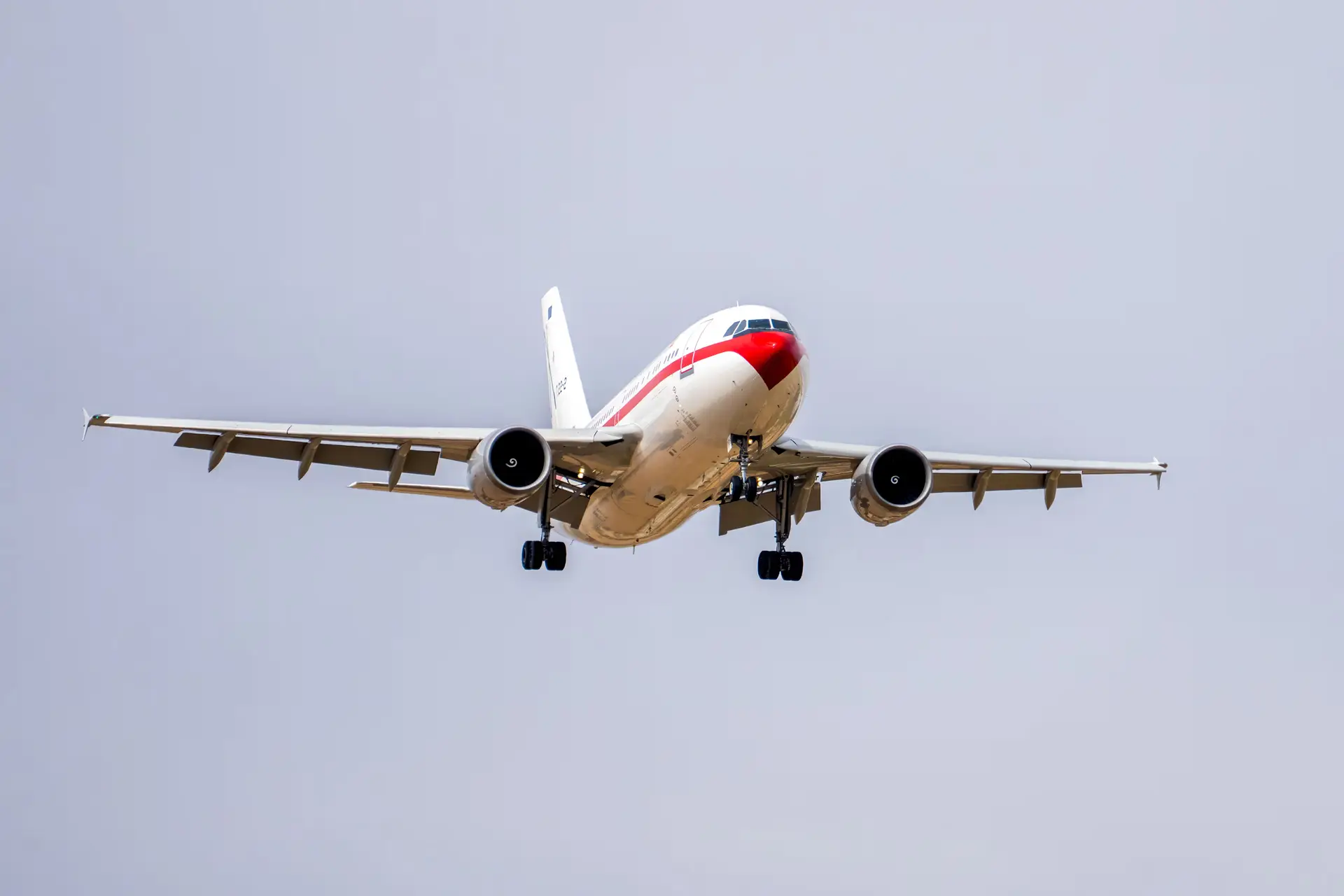
Colombian armed forces executed an air strike in the north-western province of Antioquia, killing eight people including senior Gulf Clan commander Haminton Mosquera. President Abelardo de la Espriella announced the operation on social media, stating that he had personally authorised the bombardment targeting the criminal organization.
De la Espriella identified Mosquera as one of the ten high-priority targets sought by national security forces. According to official statements from the presidency, Mosquera was suspected of directing multiple attacks against security forces, including the fatal shooting of a police officer in the municipality of Tarazá last year. The Gulf Clan represents Colombia's largest criminal syndicate, maintaining extensive networks involved in cocaine trafficking to North America and Europe, alongside illicit mining and human smuggling.
The United States designated the Gulf Clan as a Foreign Terrorist Organisation last year amid escalating international drug enforcement efforts. De la Espriella secured the presidency in June after campaigning on a platform centred on deploying direct military action and air strikes against armed gangs. In his public statement following the operation, the president affirmed that state forces would sustain their offensive to reclaim territories currently controlled by criminal groups.
The Antioquia operation is part of a broader military strategy that has drawn both public support and political scrutiny. Shortly after assuming office, De la Espriella released video footage showing 23 body bags following an air strike on a suspected guerrilla camp. On Wednesday, official channels published a photograph of the president writing his campaign slogan, "Welcome to the miracle homeland", onto an aerial bomb.
While residents in regions plagued by extortion and violence have welcomed the increased military presence, critics have raised concerns over the administration's public presentation of defense operations. At a recent event in Cúcuta, De la Espriella wore a military uniform while directly questioning a detainee suspected of membership in the Revolutionary Armed Forces of Colombia. Addressing journalists regarding the incident, the president defended his stance: “I am a soldier of the homeland. That's why I dress like a soldier, because I came to serve Colombia. Because I honour the heroes, police officers and military.”
Written by Andreas Hofer andreas.hofer@alpineweekly.com