Jul 22, 8:02 PM
Brussels’ Expensive Habit of Calling Delay a Strategy
Gunther Krichbaum wants a staged path into the EU for candidate countries and a budget that shifts money toward security, defence and competitiveness.
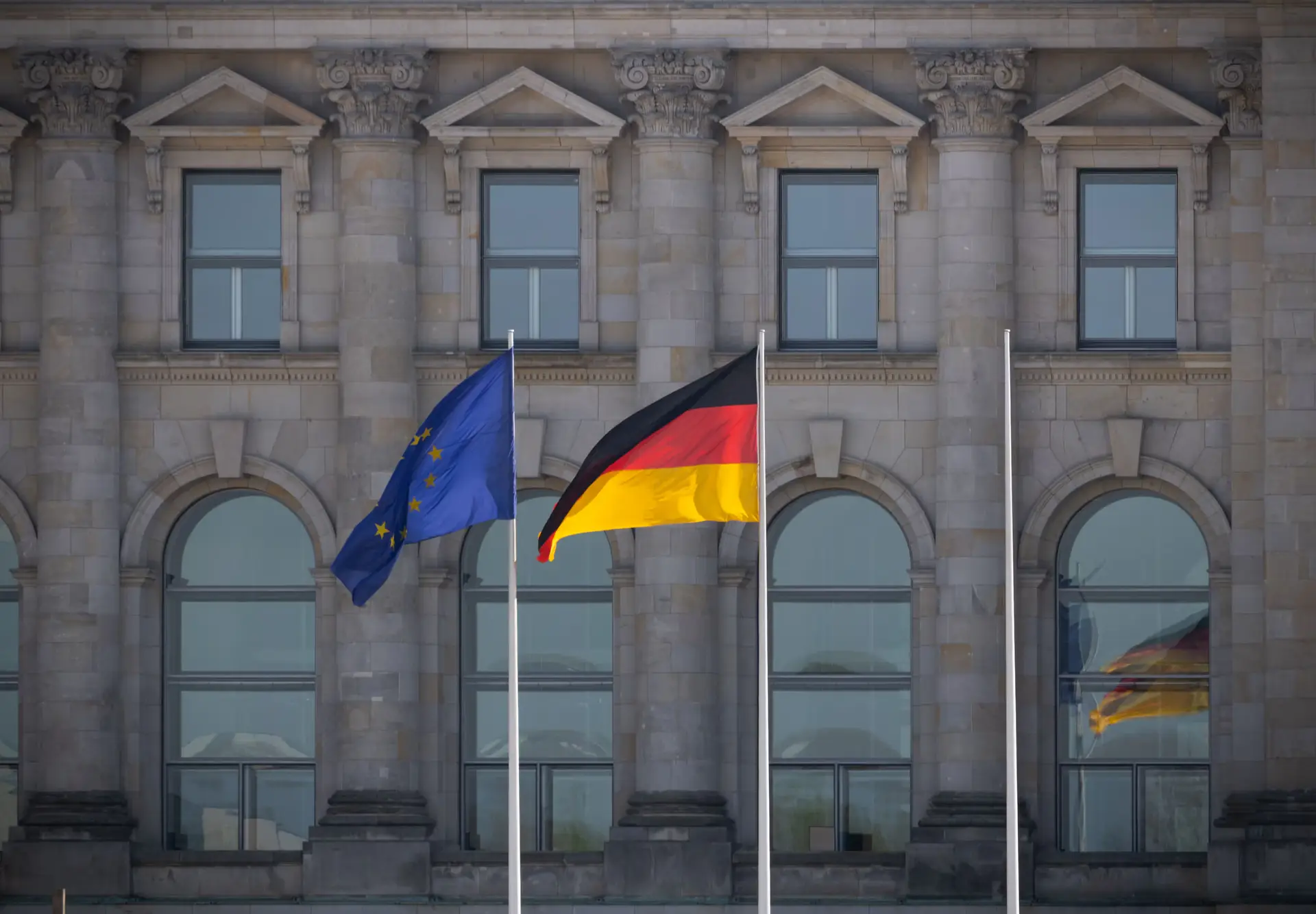
The European Union is once again discussing enlargement as if it were both a grand mission and a filing exercise. Gunther Krichbaum, Germany’s Minister of State for Europe, would clearly prefer less theatre and more structure: a staged model for Ukraine, Moldova and the Western Balkan states, including Albania, Bosnia and Herzegovina, Kosovo, Montenegro, North Macedonia and Serbia, that brings them closer to membership before they receive voting rights.
That is the core of his argument, and it is not hard to see why it appeals to Brussels. Associated members could take part in sessions of the European Parliament, Krichbaum says, without costing the EU a single euro or cent. He also sees a political signal in the arrangement, one aimed at China, Russia and other outside powers: these countries, he says, belong with the European Union. Critics dismiss the idea as a waiting room or second-class membership. Krichbaum’s answer is that they have simply misunderstood the model.
He is not alone in wanting to move faster. Friedrich Merz is still backing associated EU membership for the same group of countries, and Emmanuel Macron called for acceleration at the EU–Western Balkans summit in Montenegro in early June. But Krichbaum wants more than speed. He wants the enlargement machinery itself to be reworked, because the current one has become a kind of high-jump contest with the bar endlessly raised.
His complaint is aimed at the acquis communautaire, the full body of EU law that accession candidates must adopt. According to Krichbaum, the benchmark has drifted from about 1.50 metres to 2.10 metres over the past ten or twenty years as rules have multiplied, including in consumer and environmental policy. In other words, the club keeps adding new entry tests and then acts surprised that entry is harder. His solution is a staircase or tiered system, while insisting that the final destination remains full membership.
The money question is where the pleasant abstractions run into arithmetic. Krichbaum says enlargement is manageable within the budget and points out that former recipient countries are now donors. He cites Poland as an example of a country whose economy is booming and no longer resembles the one that joined years ago. That may reassure some capitals, though not all. Germany’s own growth forecast for 2026 is subdued, and that naturally colours the mood in Berlin.
The real fight is over the next multiannual financial framework for 2028 to 2034. The European Commission has proposed a ceiling of 1.7 trillion euros for seven years, while Berlin is calling for a cut of 400 billion euros. Krichbaum says the room for manoeuvre is limited, which is Brussels language for: everyone wants more, and the cheque book is not cooperating.
His broader point is that the EU budget should reflect present realities rather than past habits. If the Union were being designed from scratch, he argues, no one would begin with agricultural policy. That was, he says, the right choice in the second half of the last century. Today, he wants the emphasis on security, defence, cybersecurity, space, artificial intelligence and competitiveness. He also proposes bringing cohesion policy and agricultural policy under one heading, leaving the member states to decide the balance.
The logic is plain enough. Europe cannot keep pretending that enlargement and spending priorities are separate questions. The same Union that asks new members to absorb more law also has to decide what its own budget is for. Krichbaum hopes agreement can be reached before the end of this year, partly because 2026 is still predictable, while 2027 may be less so. In Brussels, that passes for urgency. It is at least more honest than the usual ritual of postponing decisions and calling it statesmanship.
Written by Thorben Thiede thorben.thiede@alpineweekly.com