Oct 30, 5:01 AM
Bern’s Democracy Booklet Meets the Art of Bureaucratic Illusion
Switzerland’s Social Democrats challenge the official voter guide over its narrative on arms exports and neutrality.

Switzerland takes immense pride in its democratic rituals, none more cherished than the official booklet sent to every household before a national referendum. Citizens tend to treat this explanatory guide as an impartial authority, trusting that their government presents facts without political spin. Yet, as the vote on revising the War Material Act at the end of November approaches, that naive trust is being put to the test.
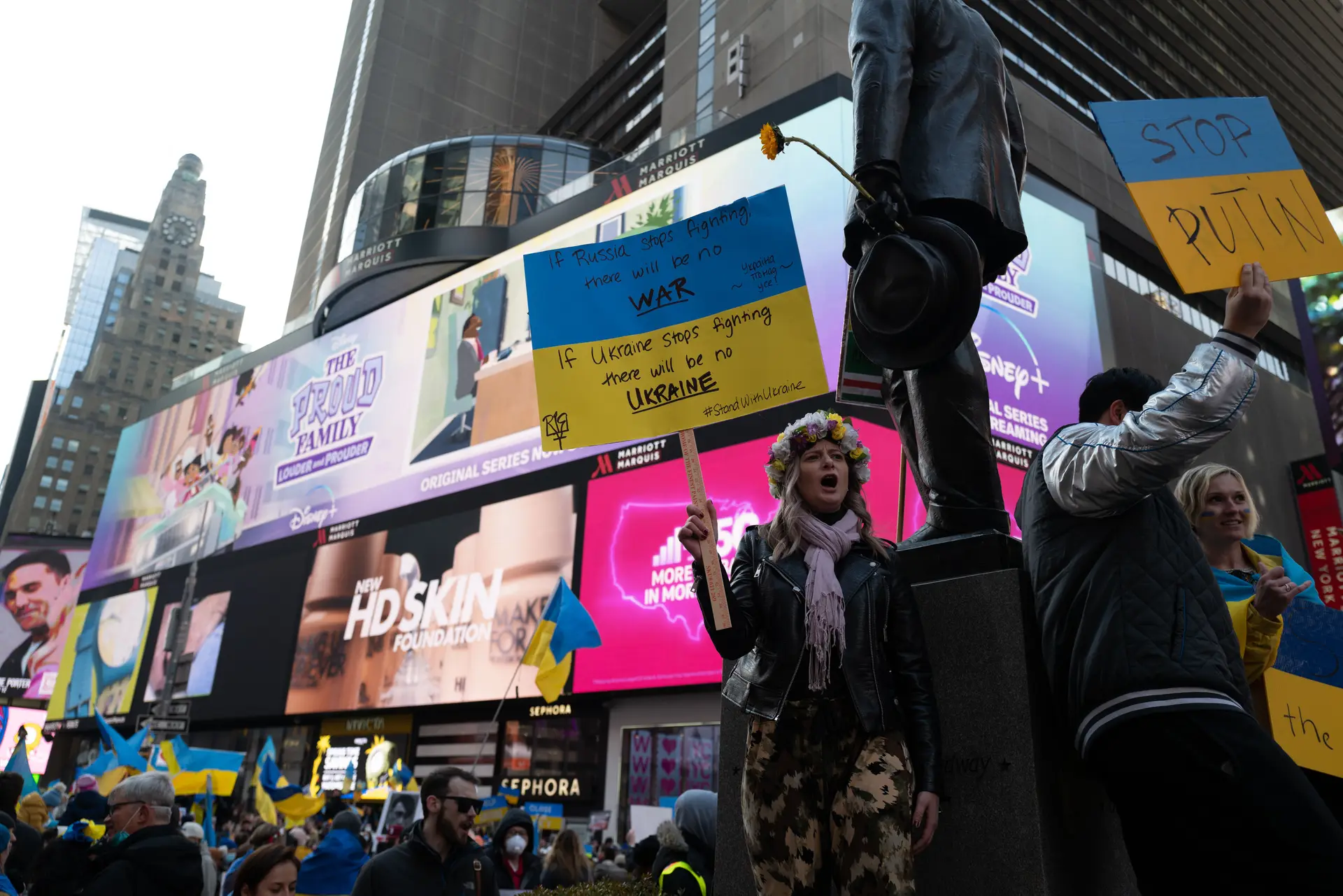
The Social Democratic Party has launched a legal complaint against the Federal Council, accusing the executive of actively misleading the public. At the heart of the dispute is how the official text frames the law in relation to Ukraine. The Social Democrats point out that the voting guide repeatedly invokes the war as the primary driver for altering export rules. The impression conveyed to voters is that an approving vote offers support to a nation under attack.
The actual legal reality is far less straightforward. Even if voters accept the revision, Swiss weapons will remain strictly prohibited from reaching Ukraine, a fact the Federal Council confirmed in parliament. While the proposed reform would allow Swiss-made arms to be passed on by foreign buyers without requiring explicit prior consent from Bern, neutrality restrictions keep Ukraine excluded. Social Democratic co-president Mattea Meyer argued that the government repeatedly cites Ukraine while concealing that the bill functions as an anti-Ukraine measure, whereas exports to states like Saudi Arabia or Israel could become feasible.
The complaint also challenges the government's depiction of human rights safeguards. The official guide claims that export permits must always align with human rights standards. However, the proposed revision enables the executive to deviate from strict bans on exports to states with severe human rights violations under specific conditions.
Bern's administrative machinery has rejected the criticism. The Federal Chancellery turned down requests for a correction, stating that the booklet nowhere promises that Ukraine will receive Swiss war material directly or indirectly and emphasizing that neutrality law remains binding. Regarding human rights, officials asserted that exceptions would apply only if the export itself did not directly contribute to human rights abuses.
Whether this defense satisfies the electorate will be decided at the ballot box in late November. For now, the legal challenge highlights how Bern's administrative pragmatism can easily cross into political obfuscation.
Written by Martina Kirchner martina.kirchner@alpineweekly.com