Oct 19, 6:01 PM
Automated Slaughter in West Kordofan
As foreign-supplied drones devastate Sudanese markets, the warring generals trade diplomacy for cheap aerial warfare.
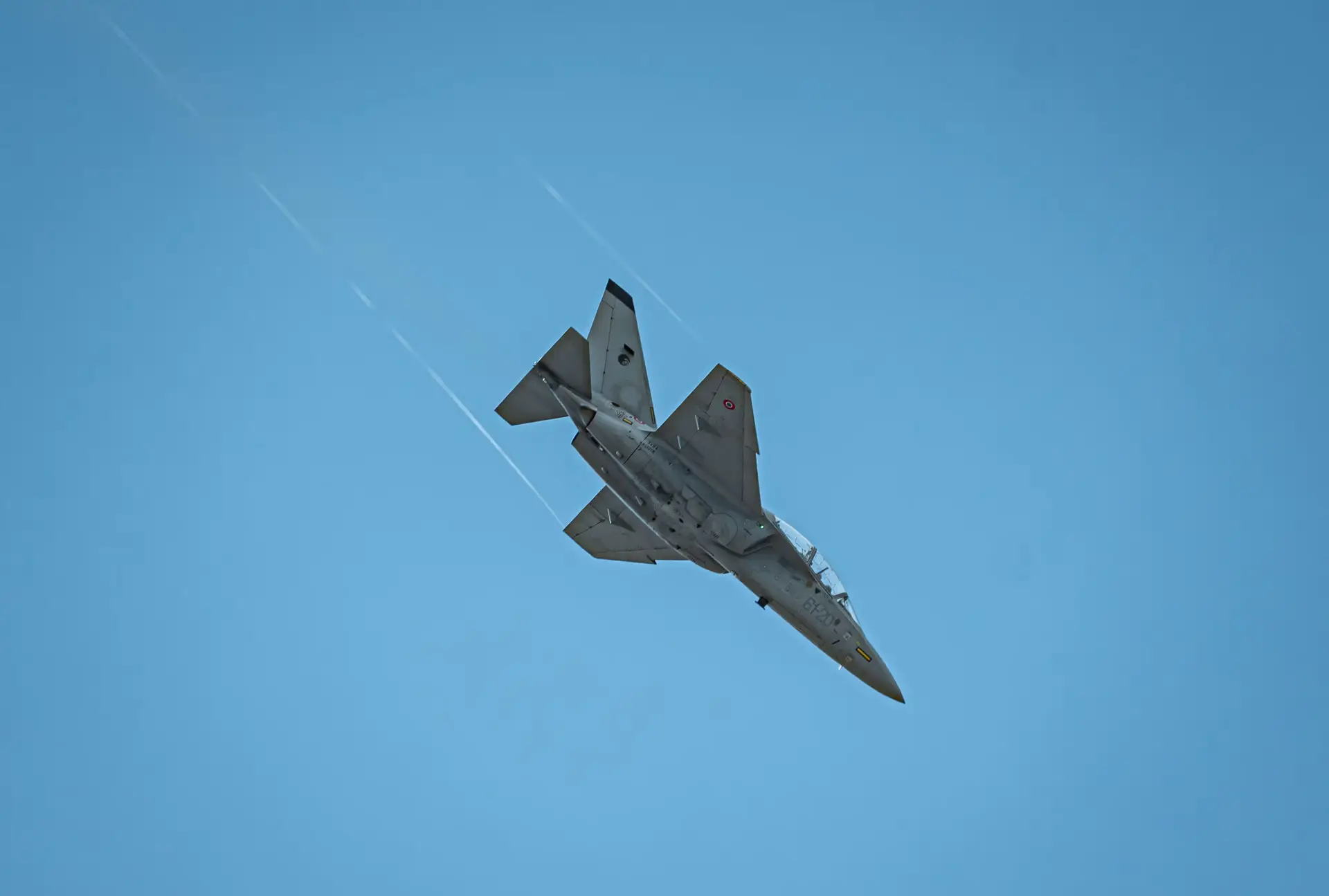
The modern proxy war has a grimly predictable blueprint. Remote operators launch cheap, automated munitions over distant horizons, while local strongmen claim surgical precision and external patrons quietly supply the technology. In Sudan, this cynical arithmetic played out again in West Kordofan, where a transport hub in al-Dibab became the latest target of drone warfare.
As commuters gathered to head home after market day, two strikes hit ten minutes apart. The result was immediate and catastrophic: fifty people died at the scene, while dozens of wounded were rushed to the neighboring town of al-Mujlad, where thirty more succumbed to their injuries. In total, eighty lives were erased in a matter of minutes.
The administration established by the paramilitary Rapid Support Forces (RSF), which controls West Kordofan, immediately pointed the finger at the Sudanese Armed Forces (SAF). For its part, the military regularly frames such operations as targeted strikes against enemy fighters, even as the bodies piling up in rural markets tell a distinctly different story.
This double-strike tactic on al-Dibab reflects a broader and increasingly automated escalation. Between January and April alone, drone strikes accounted for at least 880 civilian deaths in Sudan—representing more than 80 percent of all conflict-related civilian fatalities during that period. What began in April 2023 as a personal rivalry between General Abdel Fattah al-Burhan of the SAF and Mohamed Hamdan Dagalo of the RSF has evolved into a high-tech war of attrition.
The tragedy of Sudan lies not merely in the brutality of its belligerents, but in the calculated indifference of their international backers. Foreign powers continue to pump military hardware into the country, ensuring that neither side faces a supply shortage or a compelling reason to negotiate. As UN Undersecretary-General Rosemary DiCarlo warned the Security Council, the warring factions show zero inclination toward dialogue, operating under the dangerous delusion that battlefield gains, sustained by foreign aid, will yield victory.
When unmanned aerial vehicles make mass civilian destruction effortless, the incentive for diplomacy evaporates entirely. Sudan’s tragic reality is that while foreign backers supply the technology, local populations pay the fatal dividend.
Written by Thomas Nussbaumer thomas.nussbaumer@alpineweekly.com