Jul 22, 2:03 PM
Austria turns Hitler’s birthplace into a police station
Braunau am Inn has chosen deterrence over symbolism, but the building’s history is not so easily repainted away.
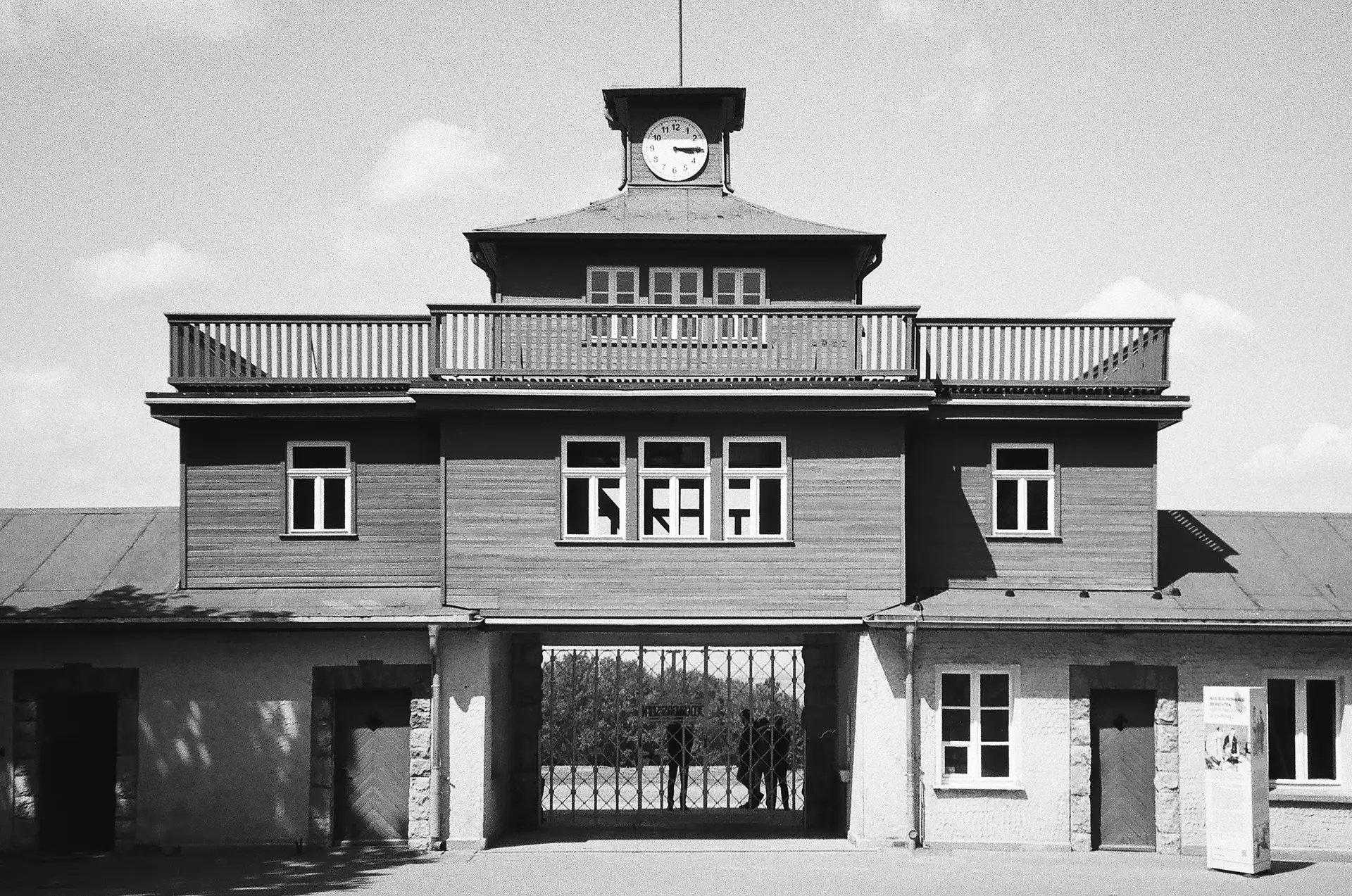
Austria has chosen the sort of solution governments reach for when they have exhausted the elegant ones: it has opened a police station in the house in Braunau am Inn where Adolf Hitler was born. The former inn on Salzburger Vorstadt has been substantially refurbished and its facade altered, all in the hope that the address will lose its attraction for neo-Nazi pilgrims. It is a practical answer, which in public policy often means the least embarrassing answer available.
The building’s historical burden is real, even if Hitler himself did not stay there for long. He was born there in April 1889 and lived in the house only for a few weeks before his family moved to another address in Braunau. They left the town for good when he was three. He returned only briefly in 1938, on the way to Vienna, after annexing Austria to Nazi Germany.
For years, the Austrian interior ministry rented the property from its owner, Gerlinde Pommer, paying what was described as a generous rent to keep extremists away. The house was also used for a long time by the charity Lebenshilfe as a day centre and workshop for people with special needs, until it was forced out in 2011 after Pommer blocked renovations. She repeatedly refused to sell, the building stood empty, and the state and owner spent years arguing over terms. Such are the glamorous details of memory politics.
Austria eventually resorted to legislation. In 2016, parliament passed a law allowing the government to seize the house, and Pommer received €812,000 in compensation. She later went to court claiming the amount was too low, but lost. The then interior minister, Wolfgang Sobotka, said the building should be torn down and replaced, echoing an earlier offer from a Russian MP who said he wanted to buy it and destroy it. That proposal, like most attempts to solve history with a bulldozer, drew criticism from people who said demolition would amount to denying Austria’s Nazi past.
The government settled on a police station in 2019 and launched an EU-wide architecture competition. Millions of euros were spent on the refurbishment, and the old yellow building now looks markedly different from before. Security cameras have been installed to record the activity of any would-be extremists, and there is no sign on the house itself explaining its history. The only visible reminder is a stone outside, erected in 1989 and brought from the former concentration camp at Mauthausen, marked with an anti-fascist inscription and a memorial to millions of dead.
Not everyone thinks the result is wise. Some had wanted the house to become a centre of responsibility, a place that confronted the Nazi past more directly. Others, including local historian Florian Kotanko, preferred to see Lebenshilfe return, though he said the charity itself did not want to be used as a fig leaf in a political dispute. In his view, the government simply had to decide differently.
That is the larger point. Braunau am Inn has not escaped its history, and no amount of fresh plaster will make that happen. What the police station does offer is deterrence, which may be the most honest thing the state can do here. The history of the place will remain, even if fewer extremists make the journey.
Written by Christiane Hofreiter christiane.hofreiter@alpineweekly.com