Nov 15, 9:01 PM
Australia and Philippines Sign Updated Defence Cooperation Agreement
The framework streamlines joint military exercises and maritime patrols as Manila expands regional security ties.
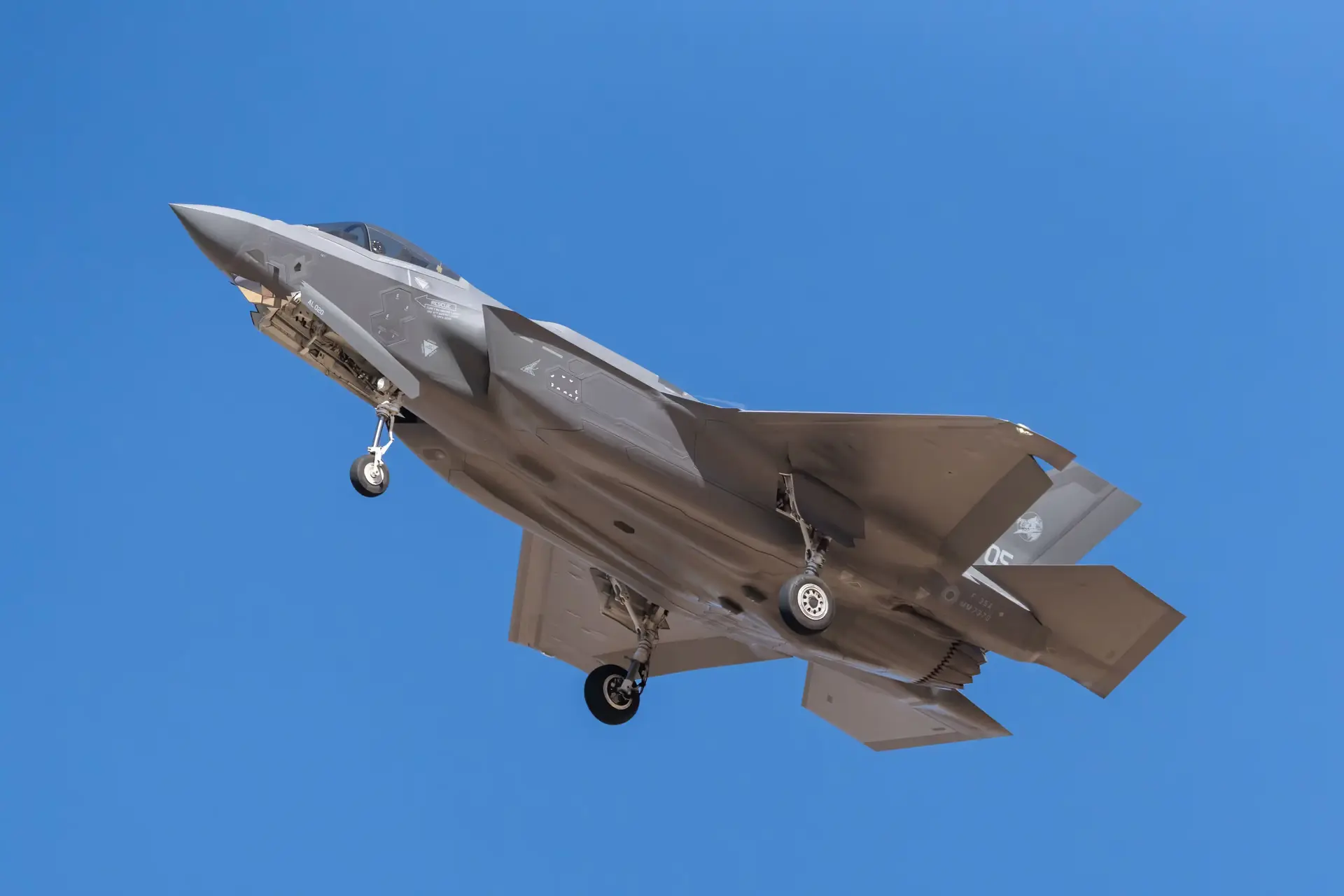
Australia and the Philippines have signed an updated defence agreement aimed at facilitating joint military patrols, exercises, and disaster relief operations. Philippine Defence Secretary Gilberto Teodoro Jr and Australian Ambassador Marc Innes-Brown signed the Defence Cooperation Arrangement in Manila, with Australian Prime Minister Anthony Albanese attending the ceremony.
The agreement updates a 1995 framework and complements an existing 2012 visiting forces agreement that permits troops from both countries to train on each other's territory. According to Australian officials, the updated framework encompasses joint military planning, information sharing, personnel training, maritime monitoring, and defence infrastructure development.
Teodoro stated that the new agreement would simplify operational protocols for joint activities, noting that rather than 100 steps to do a single thing, it will just now take 10. He added that closer coordination among air, naval, and land forces would assist the Philippines in deterring threats, particularly in the South China Sea. Prime Minister Albanese stated that the agreement isn’t aimed at any one country and is intended to support the sovereignty of regional nations while maintaining open trade routes.
In conjunction with the pact, Canberra announced additional funding for its Southeast Asia Maritime Partnerships programme to provide regional partners with surveillance drones, secure communications equipment, and cyber defence training. The agreement coincides with other security initiatives undertaken by Manila in recent days. On 9 November, Japan agreed to provide the Philippine military with coastal radar and surveillance drones under a 4.3 billion yen grant worth approximately 24 million euros.
Additionally, Australia, Japan, the Philippines, and the United States announced on 10 November plans to establish a joint military coordination centre in the Philippines to align defence investments and expand joint exercises. China claims sovereignty over most of the South China Sea, overlapping with claims by the Philippines and other Southeast Asian nations, and Beijing has previously stated that Manila's joint exercises with foreign powers increase regional tensions. An international tribunal ruled in 2016 that Beijing’s claims to historic rights had no legal basis under the UN Convention on the Law of the Sea, a ruling that China rejects.
Written by Martina Kirchner martina.kirchner@alpineweekly.com