Jul 19, 8:02 PM
Al-Sharaa centralises Syria’s security machine
Interior Minister Anas Khattab gains more authority as Damascus tries to project control, stability and a path to reconstruction.
Syria’s new rulers are still trying to do what postwar governments always promise and rarely manage: make the state look coherent before asking anyone to trust it. President Ahmed al-Sharaa has now pushed that logic deeper into the security sector, expanding Interior Minister Anas Khattab’s authority and placing the intelligence service under a new chief.
The changes, announced on Sunday and reported by the state news agency SANA, give Khattab an additional post as head of the National Security Bureau, which oversees Syria’s security agencies, while he remains interior minister. Hussein al-Salamah was named deputy head of the bureau, Mulham al-Shantout became assistant interior minister for security affairs, and Abdul Qader Tahan was appointed head of the General Intelligence Service.
That is not a minor administrative tidy-up. It means the General Intelligence Service, which gathers intelligence, assesses domestic and foreign threats, and counters espionage and terrorism, now sits legally under Khattab’s authority. In a government that is still trying to show it can govern beyond slogans, that is a serious concentration of power in one pair of hands.
Syrian authorities say the reshuffle is intended to strengthen national security, promote stability and remove obstacles to reconstruction. Omer Ozkizilcik, a nonresident senior fellow with the Atlantic Council’s Syria Project, told Al Jazeera that the move reflects an effort to formalise power structures carried over from al-Sharaa’s time in Idlib, when Khattab oversaw both intelligence and policing duties that later overlapped with Salamah’s. The message is plain enough: the centre wants the periphery to stop freelancing.
The broader setting explains the urgency. Syria’s transitional government under al-Sharaa was formed a month after former President Bashar al-Assad fled to Russia in December 2024, ending decades of Assad family rule. Since then, the administration has presented itself as reform-minded and unifying, while trying to bring a fragmented security structure under central control. That is a noble administrative dream, and also the sort of thing that tends to collapse under the weight of its own paperwork.
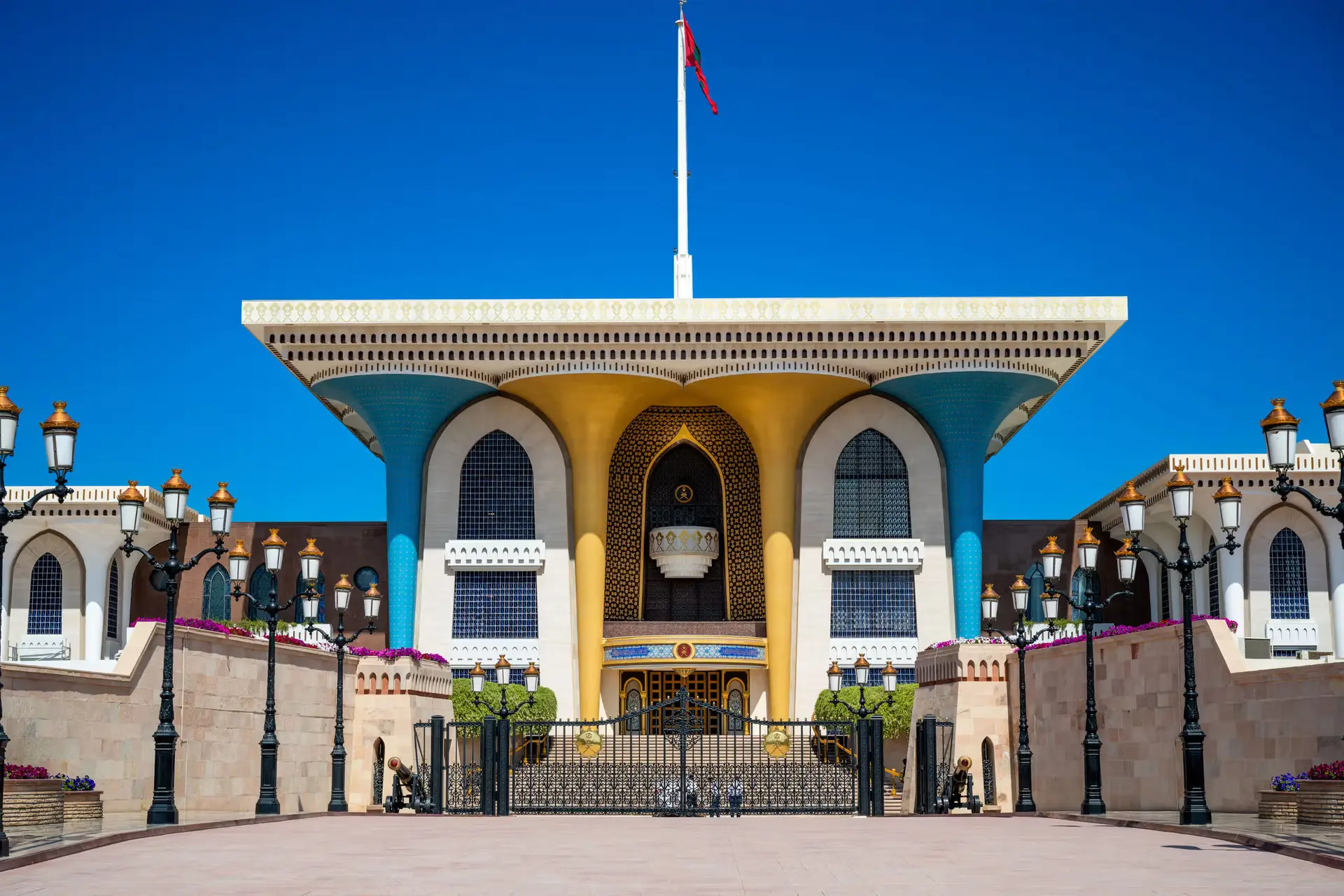
The recent security record in Damascus has hardly encouraged complacency. On July 2, an explosion killed at least 10 people when it tore through a cafe near the main judicial complex. Five days later, one person was killed and 36 wounded when explosive devices hidden in a rubbish bin and a parked car detonated in the capital as French President Emmanuel Macron met al-Sharaa at the presidential palace. Syrian authorities said they arrested members of an ISIL-linked cell blamed for both attacks, using security camera footage to trace suspects.
There was also a separate border case earlier this month, when customs officers at the Iraqi frontier intercepted a shipment of missiles, rockets and drones hidden in an oil tanker. They said it was bound for Hezbollah in Lebanon, which denied the allegation. Against that backdrop, the instinct to tighten command is hardly surprising.
The reshuffle also sits alongside a diplomatic recalibration. Macron restored full diplomatic relations with Syria during his visit, becoming the first major Western leader to come since al-Sharaa established himself in Damascus. Days later, at a NATO summit in Turkiye, Donald Trump met al-Sharaa, and Washington announced that Syria would be removed from its list of state sponsors of terrorism.
For al-Sharaa, the calculation is clear enough. Reconstruction will not get very far if the state cannot show who is in charge of its security organs. Whether this new arrangement brings stability, or merely makes one man more visible when things go wrong, is the more interesting question.
Written by Sandy van Dongen sandy.vandongen@alpineweekly.com