May 19, 8:56 AM
Trump Delays Planned Iran Strike as Gulf States Push for Diplomatic Breakthrough
Washington signals military pressure remains on the table, but regional allies are urging restraint while negotiations over Iran’s nuclear programme and the Strait of Hormuz continue behind closed doors.
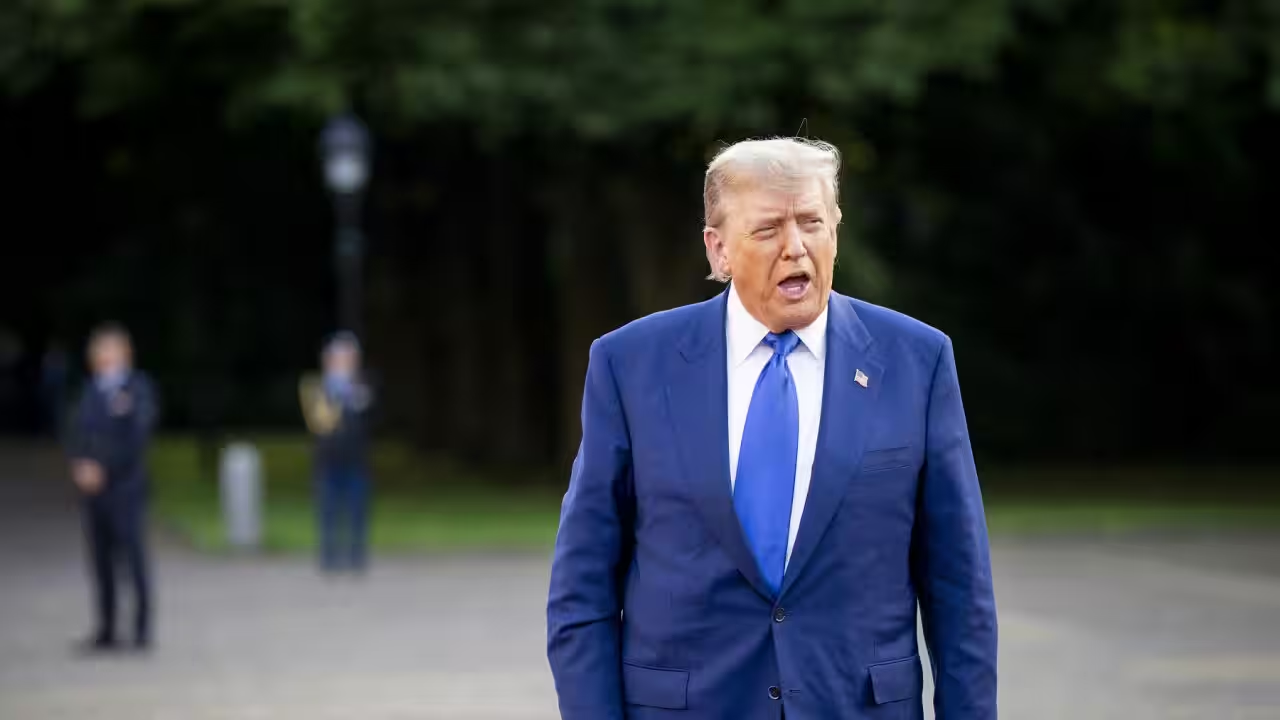
US President Donald Trump says he has postponed a military strike against Iran that had reportedly been scheduled for Tuesday, following requests from several Gulf leaders who are attempting to keep diplomatic negotiations alive amid escalating regional tensions.
The announcement, made Monday on Trump’s Truth Social platform, came as talks between Washington and Tehran appear to be entering another uncertain phase — one where threats of military action and negotiations continue to move side by side, sometimes within the same sentence.
According to Trump, leaders from Qatar, Saudi Arabia and the United Arab Emirates urged him to delay the operation because discussions with Iran were becoming increasingly serious. The US president indicated that Gulf governments believe an agreement may still be achievable, particularly one preventing Tehran from obtaining nuclear weapons.
At the same time, Trump made clear that the pause should not be mistaken for a retreat. He said the US military had been instructed to remain ready for a large-scale operation if negotiations fail. In other words: diplomacy is alive, but the bombers are apparently staying warmed up.
The latest developments add another chapter to the increasingly volatile confrontation involving the United States, Israel and Iran, which intensified after joint US-Israeli strikes launched earlier this year. Despite a temporary ceasefire announced in April, diplomatic efforts have struggled to produce lasting progress.
Trump has repeatedly alternated between threatening military escalation and reopening the door to negotiations. Since returning from his recent visit to China, where he met Chinese President Xi Jinping, the American president has issued a series of increasingly aggressive warnings toward Tehran, suggesting time for a settlement was running out.
Iran, meanwhile, confirmed over the weekend that it had responded to a new US proposal intended to end the conflict.
According to Iran’s Fars news agency, the American proposal included several major demands, among them limiting Iran’s nuclear infrastructure to a single operational site and transferring part of its enriched uranium stockpile to the United States.
The same report stated that Tehran’s counter-position included maintaining Iranian control over the Strait of Hormuz, one of the world’s most strategically important shipping routes and a critical corridor for global energy exports.
The strait has remained heavily disrupted since the conflict began, contributing to rising oil prices and growing concern across international markets. Iran has largely restricted maritime access through the waterway during the confrontation, while Western governments have repeatedly demanded guarantees for unrestricted shipping.
On Monday, Iran’s newly established Persian Gulf Strait Authority announced it would begin publishing operational updates regarding activity in the Strait of Hormuz through social media platforms, a move that appeared designed to reinforce Tehran’s claim over the route’s management.
Washington has insisted that reopening the strait remains a key condition for any broader agreement.
So far, negotiations between the two sides have produced limited visible results. Only one formal round of talks has reportedly taken place, hosted in Pakistan earlier this year. Since then, diplomacy has largely unfolded through indirect channels, regional intermediaries and public statements that often sound more like warnings than invitations to compromise.
For Gulf states, the stakes are particularly high. Countries such as Saudi Arabia, Qatar and the UAE face the dual risk of regional instability and economic fallout if tensions spiral further. A wider conflict involving Iran could threaten energy infrastructure, shipping routes and investment flows across the region — outcomes Gulf governments are eager to avoid, even as they maintain close security ties with Washington.
Financial markets have reacted nervously to every new development surrounding the crisis. Oil prices have fluctuated sharply in recent weeks, while shipping insurers and transport companies continue to reassess risks linked to operating near the Persian Gulf.
Whether Trump’s latest decision signals genuine momentum toward diplomacy or simply another pause before renewed escalation remains unclear. What is certain is that the gap between threats and negotiations has become increasingly narrow — and in the current Middle East crisis, both now appear to operate almost simultaneously.
Written by Freya Stensrud