
Aug 26, 12:00 PM
The oyster heist that left a whole industry counting bags
Police in New South Wales are investigating the disappearance of 400,000 juvenile Sydney rock oysters, a theft that points to a business under pressure and a thief who likely knew the trade.
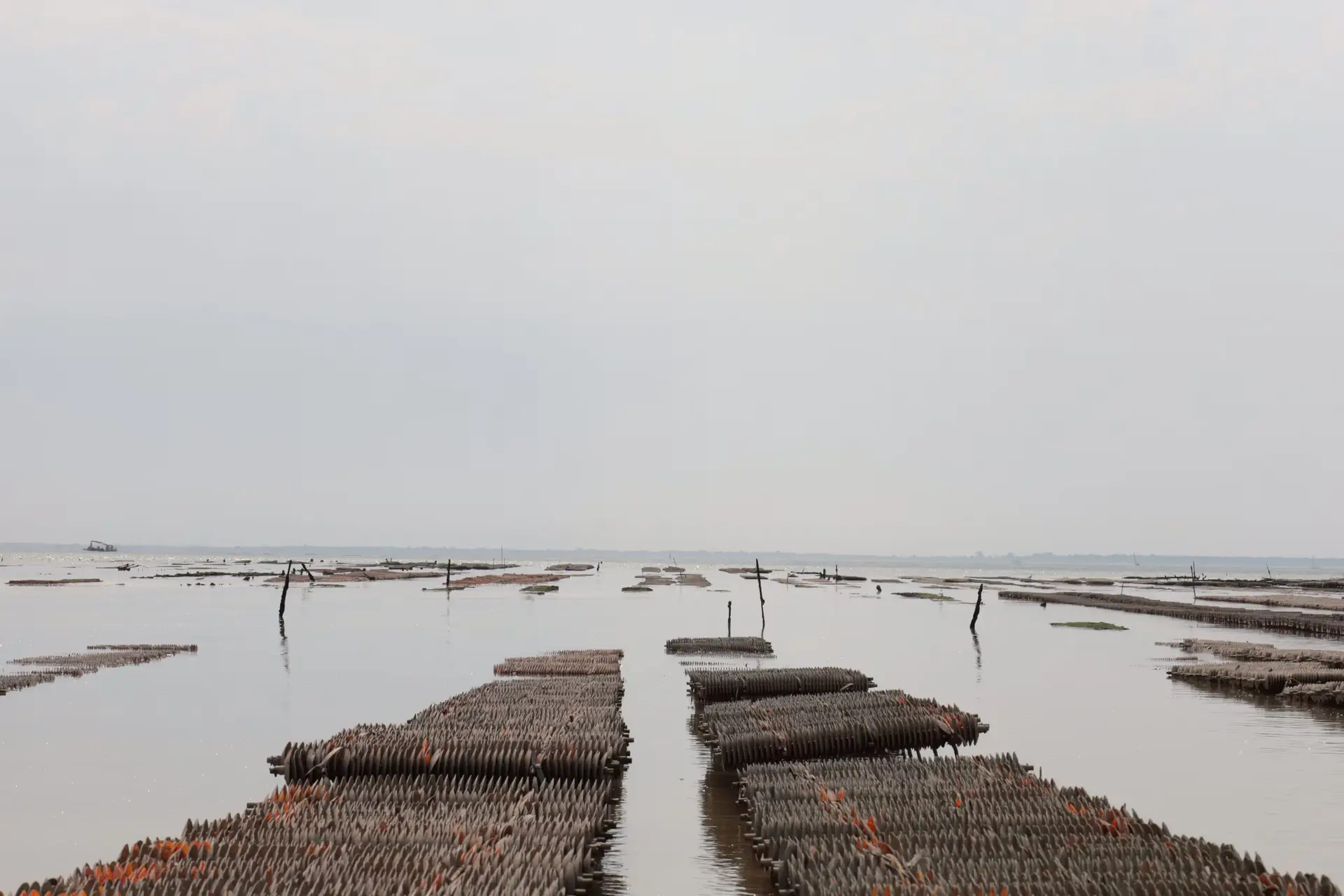
Some thefts are crude, some are brazen, and some are so oddly specific that they sound like a bad joke told by someone who knows the industry too well. In New South Wales, police are chasing the disappearance of about 400,000 juvenile Sydney rock oysters from a farm at Scotts Creek on Oxley Island, with the missing stock valued at an estimated $350,000. Roughly 320 bags were taken, and the oysters were not yet ready for sale, which makes this less a midnight snack than a very deliberate removal of future income.
NSW police said they received the report on Tuesday morning and are asking anyone with CCTV or dashcam footage to come forward. A crime scene has been established, because apparently even oyster farming now requires the full vocabulary of modern policing. Latitude 31 Oyster Co, which runs the Sydney rock oyster farm on the Manning River beside Scotts Creek, said on Tuesday that it had been hit by what it described as a massive theft.
The company said the loss affects more than one balance sheet. In its social media post, it said oyster theft hits businesses, families and the reputation of the NSW oyster industry as a whole, and added that farmers in the sector look out for one another. It also urged the public to watch for anyone trying to move, or suddenly in possession of, large quantities of cocktail- or bistro-sized oysters.
The timing matters as much as the quantity. Latitude 31 said the stolen oysters needed another four to six months of growth before they could be sold. That detail has pushed attention towards the possibility that the thief was not a random trespasser but someone familiar with oyster farming, or at least with the way the trade works. Oyster farmer Gary Rodley, who owns Tathra Oysters on the NSW south coast, said a fully grown oyster could fetch about $1.50 to $2 each and suggested the age and volume of the stolen stock pointed to a fellow producer.
Rodley said this was not the sort of theft committed by someone looking for dinner. He also said it would be disturbing if the culprit turned out to be one of their own, though he added that anyone attempting that kind of operation would likely be caught quickly. Another Manning River oyster farmer, who did not want to be named, said there had recently been a shortage of Sydney rock oysters, after major flooding in 2021 and 2025 wiped out stocks in the region. Because the oysters are farmed on a three-year cycle, he said it could still take another two years before incomes stabilise.
The same farmer said theft is not unusual in the Manning River area, though previous incidents involved locals who had spent time scouting the site. He said he once dealt with the problem himself by buying an artificial oyster fitted with a tracker from France for more than $2,000, which helped him take a thief to court in 2022. The offender was fined $500, a sum that hardly suggests the legal system was overwhelmed by remorse.
Farmers have also been turning to surveillance equipment as demand for Sydney rock oysters has grown. Rodley said the oysters are rare, grown only along the New South Wales coastline, and make up a very small share of the world’s oyster crop. Many people regard them as among the best-flavoured oysters in the world, he said, and as a prized table oyster eaten natural.
For now, police have a crime scene, an empty stockpile and a question that will not go away quickly: who walks off with 400,000 oysters and expects the industry not to notice? In a sector already bruised by floods and shortages, the answer matters rather more than the missing shellfish themselves.
Written by Thorben Thiede thorben.thiede@alpineweekly.com