
Oct 30, 9:01 AM
The High Price of Post-War Reality in Syria
Ahmed al-Sharaa’s tactical retreat on fuel prices reveals the painful economic trade-offs facing post-Assad Syria.
Revolutionary euphoria has a short shelf life when matched against the cold mechanics of economic arithmetic. Two years after the collapse of Bashar al-Assad’s regime and the end of more than thirteen years of devastating civil war, Syrians are discovering that freedom from tyranny does not guarantee cheap diesel or affordable bread. The harsh realities of a shattered economy are rapidly eroding the optimism that greeted President Ahmed al-Sharaa’s accession to power.
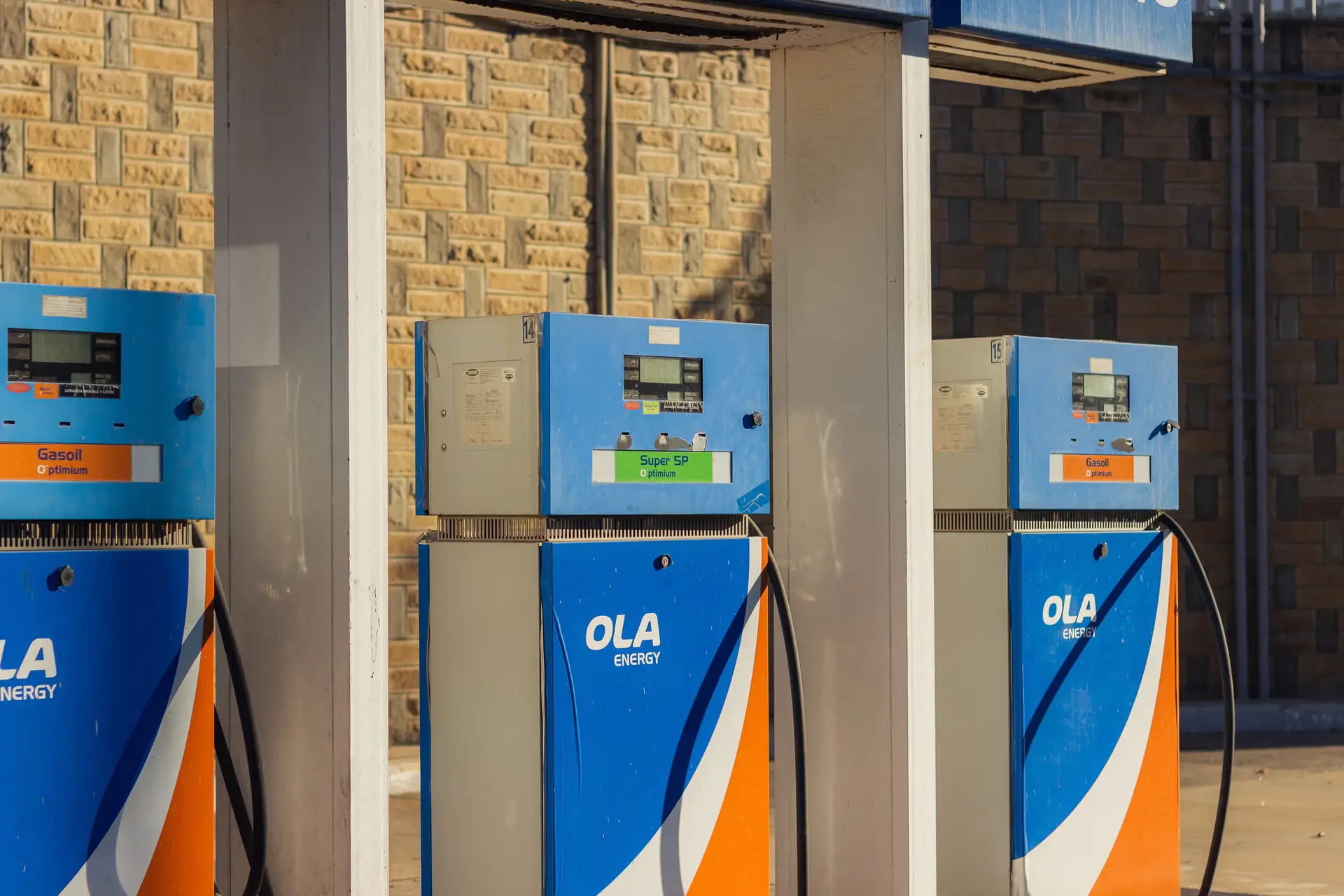
The fragile peace faced its sternest test last month when public anger boiled over into street protests across the country. Burning tyres and barricaded roads marked the largest manifestation of popular discontent since the new government took charge. The trigger was a familiar one: another increase in fuel prices, a decree that struck at the core of a population already reeling from a systemic cost-of-living crisis. From daily essentials to basic utility bills, price inflation has left citizens fearing whatever financial surprise might await them each morning.
When rebels ousted Assad, ending five decades of brutal family rule, public expectations were naturally sky-high. Rebuilding a nation broken by isolation, conflict, and decades of structural mismanagement was never going to be seamless. Yet public patience wears thin when living standards degrade faster than during active warfare. Demonstrators openly questioned the administration's priorities, pointing out the absurdity of municipal projects like new traffic roundabouts while basic survival grows harder by the day.
Faced with the threat of expanding unrest, Sharaa’s administration blinked. Within days of the demonstrations, the government revoked the fuel price increases. It was a tactical retreat that appeased the streets, but it highlights a fundamental dilemma facing the transition. Subsidies may offer temporary relief to a desperate populace, but maintaining them in a fiscally depleted state is economically unsustainable.
Reversing necessary market adjustments at the first sign of public outrage buys short-term quiet, but it delays the structural reforms Syria requires. Overthrowing a dictator required armed force, but convincing a public to endure the bitter medicine of economic stabilization demands political capital that is already running thin.
Written by Christiane Hofreiter christiane.hofreiter@alpineweekly.com