Oct 24, 2:01 PM
The High Cost of a Cheap Lunch
Rising prices and squeezed budgets are pushing Spain’s state-conceived lunch tradition to the economic brink.
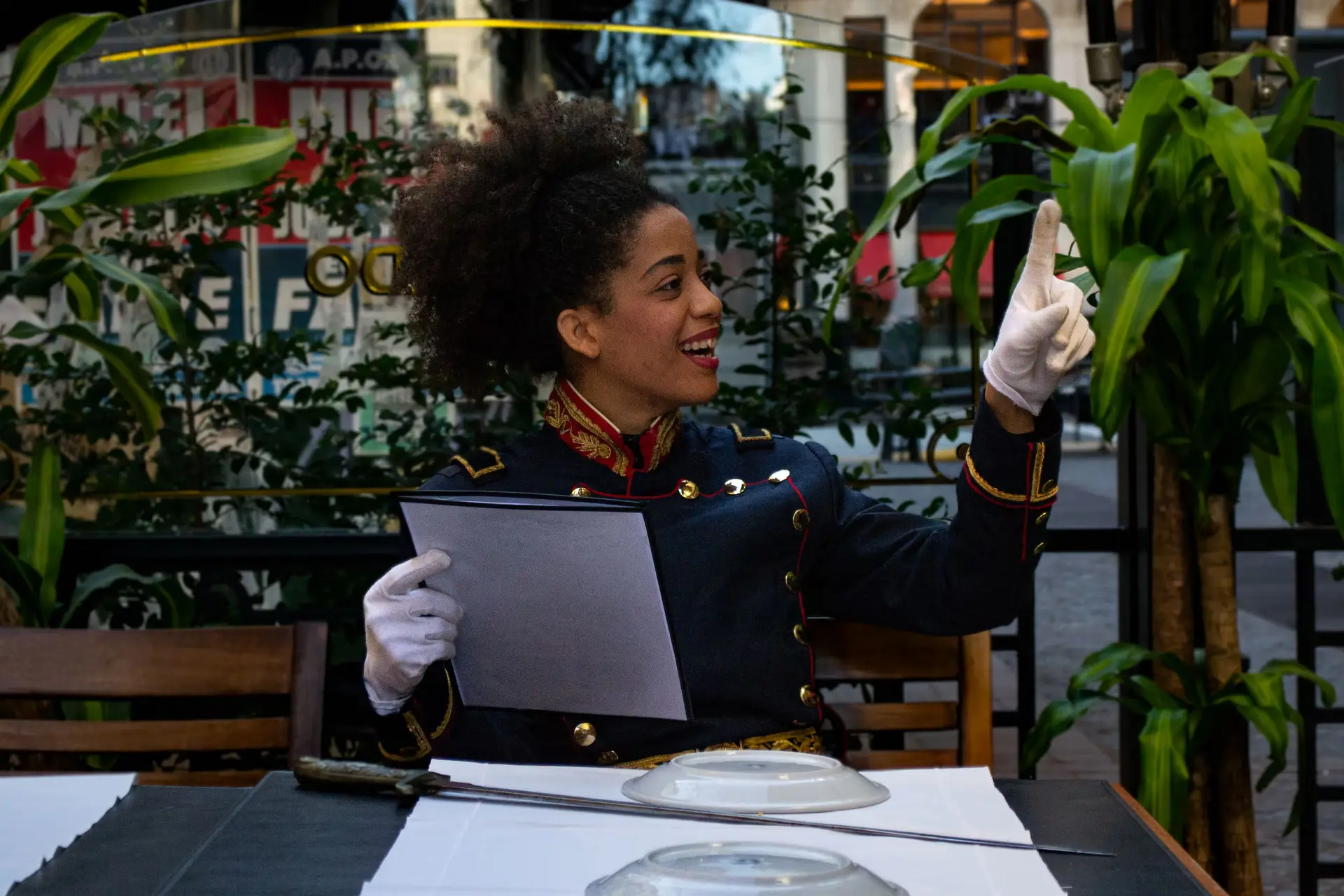
For decades, the midday rhythm of Spanish working life was anchored by an unlikely intervention birthed by Franco’s state planners in the mid-1960s. The menú del día—a fixed-price lunch offering three courses bundled with bread and wine—was designed by tourism minister Manuel Fraga to project an image of affordable abundance. Today, roughly four million Spaniards still sit down for these daily set meals. Yet, as structural economic pressures mount across the country, this mid-day institution is quietly suffocating under the weight of inflation and squeezed household budgets.
The modern threats to the traditional set lunch are relentlessly economic. Soaring energy costs and rising food prices have turned the simple business of feeding workers into an exercise in fiscal survival for small, family-owned eateries. At an average national price of €14.70, profit margins have virtually evaporated. Squeezed by a persistent cost-of-living squeeze and pressed for time, employees increasingly exchange the traditional dining room for a hurried supermarket meal heated in an office lunchroom.
In her recent publication examining the phenomenon, food journalist Lakshmi Aguirre traces the trajectory of the meal from its dictatorial origin to its current crisis. Originally regulated between 50 and 250 pesetas, the mandated menu forced establishments to serve a starter, a substantial main, and dessert alongside wine with an alcohol content of no less than 12 percent. What began as a state-directed initiative to placate tourists eventually morphed into a deeply entrenched habit for working-class communities seeking predictable, affordable nourishment.
Where state regulation once dictated culinary content, market realities are now forcing pragmatic adaptation. To survive, many restaurants are abandoning the multi-course option for a single, cheaper daily dish. Others are increasingly incorporating Latin American staples into their offerings. This shift reflects a realistic integration of demographic changes, allowing businesses to cater to a broader labor force while managing input costs that state intervention can no longer artificially suppress.
Celebrity chef Ferran Adrià prematurely pronounced the concept dead back in 2009, pointing to the rise of trendy bistros charging €20 to €30 for basic fare. While the ritual survived his diagnosis, the relentless pressure on small businesses has only intensified. When an economy makes a modest, standardized meal unaffordable for the working population that relies on it, the issue is not merely a change in dining habits. It is a symptom of an underlying economic malaise.
Written by Thomas Nussbaumer thomas.nussbaumer@alpineweekly.com