Aug 26, 10:01 AM
The Delayed Reckoning: Why Switzerland’s Agricultural Crisis Will Hit in Winter
Extreme summer heat is pushing fragile farms to the edge, but market forces will claim their toll months from now.
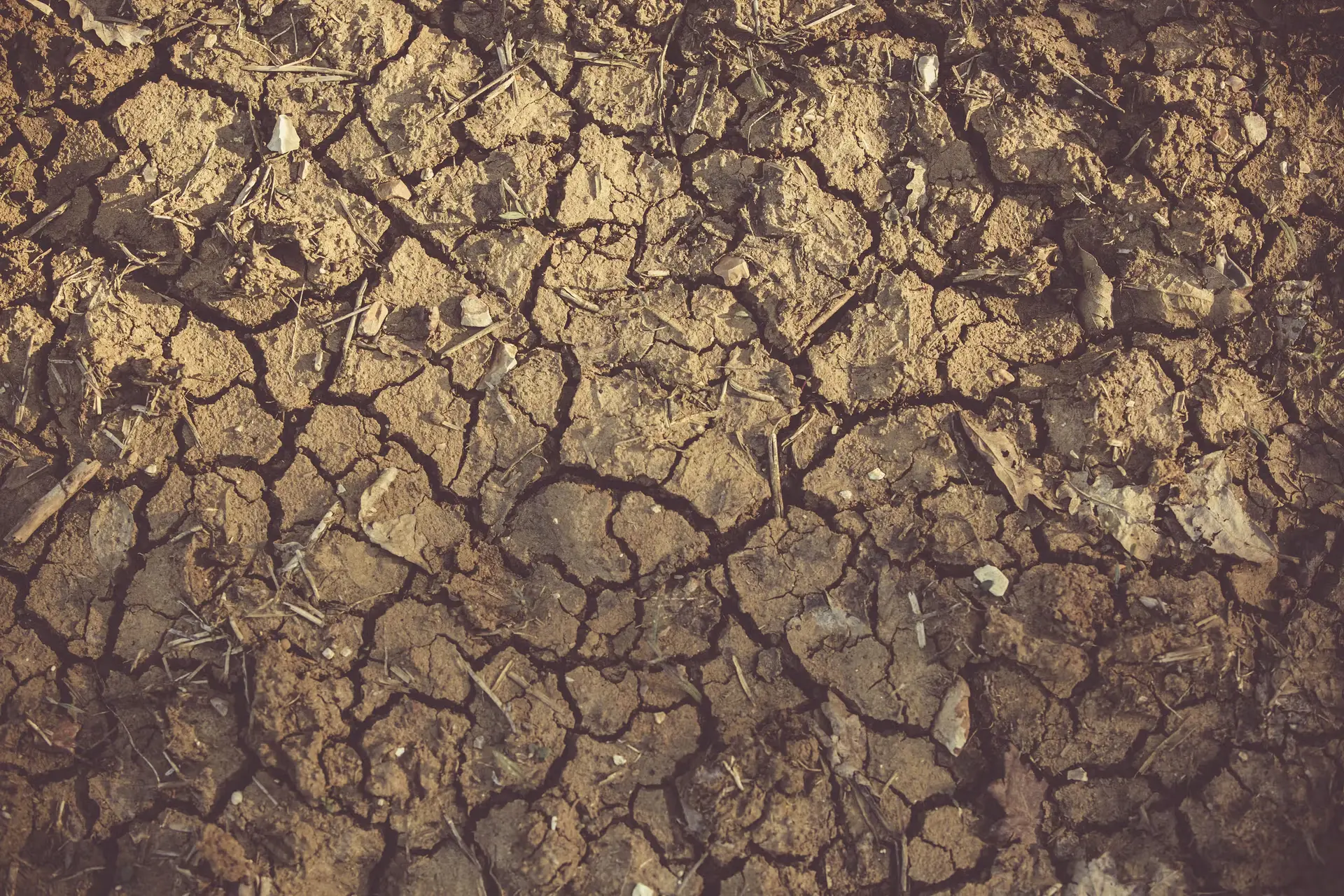
When scorching summer sun bakes pastures to a crisp and milk prices remain unprofitably low, the immediate reaction of the Swiss agricultural sector is predictable: put your head down and keep working. Fodder shortages, exhausted livestock, and family tension have stretched farming households to their limit. Yet the true price of 2026’s scorched climate will not be calculated in August, but in the bleak midwinter.
Currently, the dedicated crisis helpline for agricultural families, which handles roughly 150 calls in a normal year, reports no dramatic flood of panicked inquiries. Marie-Louise Koller, a master farmer who manages communications for the non-profit support service, attributes this quiet to pure functional survival. Farmers are entirely consumed by urgent daily logistics—securing feed, tending to stressed animals, and bringing in whatever remains of the harvest. Personal anxiety, fatigue, and unpaid bills are simply pushed to the back of the queue.
The quiet is deceptive. Jürg Iseli, president of the Bernese Farmers’ Association, warns that a severe reckoning awaits when winter forces operations to rely entirely on stored reserves. The worst-case scenario will unfold early next year, when hay lofts are emptied prematurely and silo bales run out. Even managers who strategically sell off livestock and carefully ration feed may find themselves staring at empty storage floors long before spring.
What may present itself as a sudden wave of farm closures is, in truth, an accelerated economic filter. Healthy, well-capitalized agricultural enterprises can typically absorb a single disastrous weather cycle. However, farms that have teetered on the edge of profitability for years, or operators struggling with personal health issues, will find this heatwave to be the final breaking point.
When a farm inevitably surrenders, the land does not lie abandoned for long. Neighboring businesses step in quickly to absorb the vacated acreage. Reaching out to a distress line is often the final gesture before throwing in the towel. This summer’s drought is not inventing a new crisis, but merely hastening a structural transformation that market realities were bound to enforce anyway.
Written by Christiane Hofreiter christiane.hofreiter@alpineweekly.com