Oct 24, 10:01 AM
The Bureaucratic Ceiling Over Switzerland's Solar Potential
While neighboring markets embrace pragmatic dual-use farming, Swiss regulatory perfectionism keeps a vast source of clean electricity grounded.
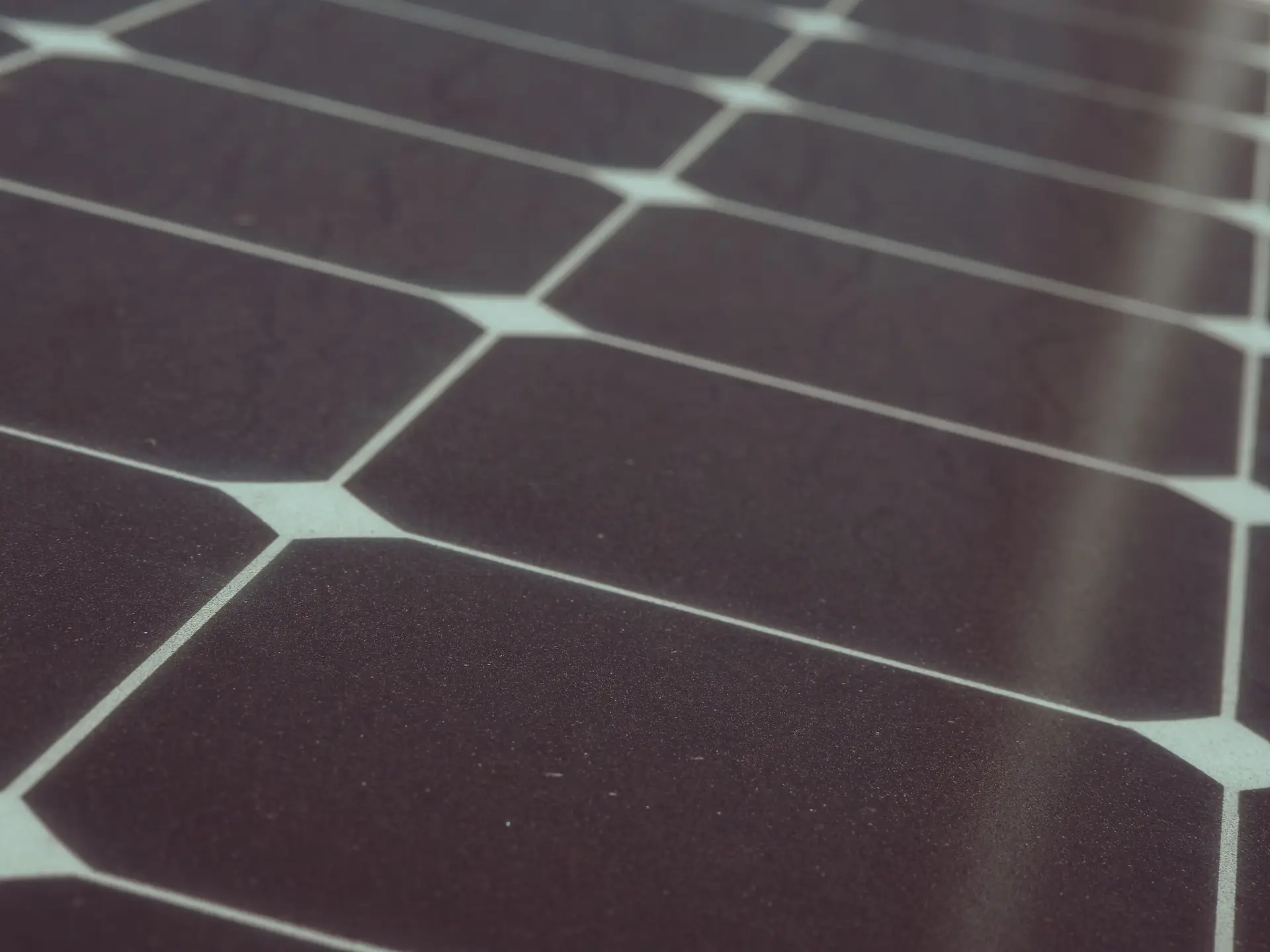
High above a 1.8-hectare blueberry crop in Lovatens, located in the canton of Vaud, three-meter-high pillars support more than 5,000 solar panels. The installation, operated by farmer Olivier Pichonnat, did far more than generate electricity during recent heat waves. By shading the field and lowering ambient temperatures by five to six degrees, it protected the bushes from hail and allowed for larger fruit and stronger shoots without hindering mechanized harvesting. It stands as the largest agri-photovoltaic project in Switzerland—and a lonely monument to unfulfilled potential.
According to a study from the Zurich University of Applied Sciences, placing solar panels above farmland could theoretically cover five times the nation’s electricity consumption. Even when restricting calculations strictly to viable sites within 300 meters of existing power grid connections, Jürg Rohrer, professor of renewable energies at the university, estimates the realistic yield at double Switzerland’s current power demand. Yet today, agri-photovoltaics account for less than 0.1 percent of Swiss solar electricity.
The bottleneck is not technological, but administrative. Swiss law permits agri-photovoltaic projects only if developers can prove the installation provides a direct benefit to agricultural production. Because benchmark data remains scarce, proving this direct advantage turns into an arduous ordeal for applicants. Cantons handle approval procedures inconsistently, while overarching federal coordination remains absent.
Neighboring markets demonstrate a far more pragmatic approach. In Germany, authorities allow agri-photovoltaic facilities even if crop yields fall by up to 30 percent, provided the combined balance of agricultural output and energy revenue remains positive for the farm. Swiss regulators, by contrast, demand regulatory purity over economic balance sheets.
Economic reality further complicates matters. Energy supplier Romande Energie estimates construction costs for agri-photovoltaics to be roughly 20 percent higher than traditional rooftop systems. Despite these additional structural costs, the financial support scheme treats them identically to standard installations. Farmers who cannot consume their generated power on site face volatile feed-in tariffs, making long-term revenue projections unpredictable unless energy companies step in to finance and manage the operations.
Written by Thomas Nussbaumer thomas.nussbaumer@alpineweekly.com