
Oct 19, 6:00 PM
The Banana Bottleneck: How Retail Price Caps Fuel a Fake Shortage
A chilly spell in Queensland slowed fruit growth, but supermarket pricing strategies are what actually emptied the shelves.
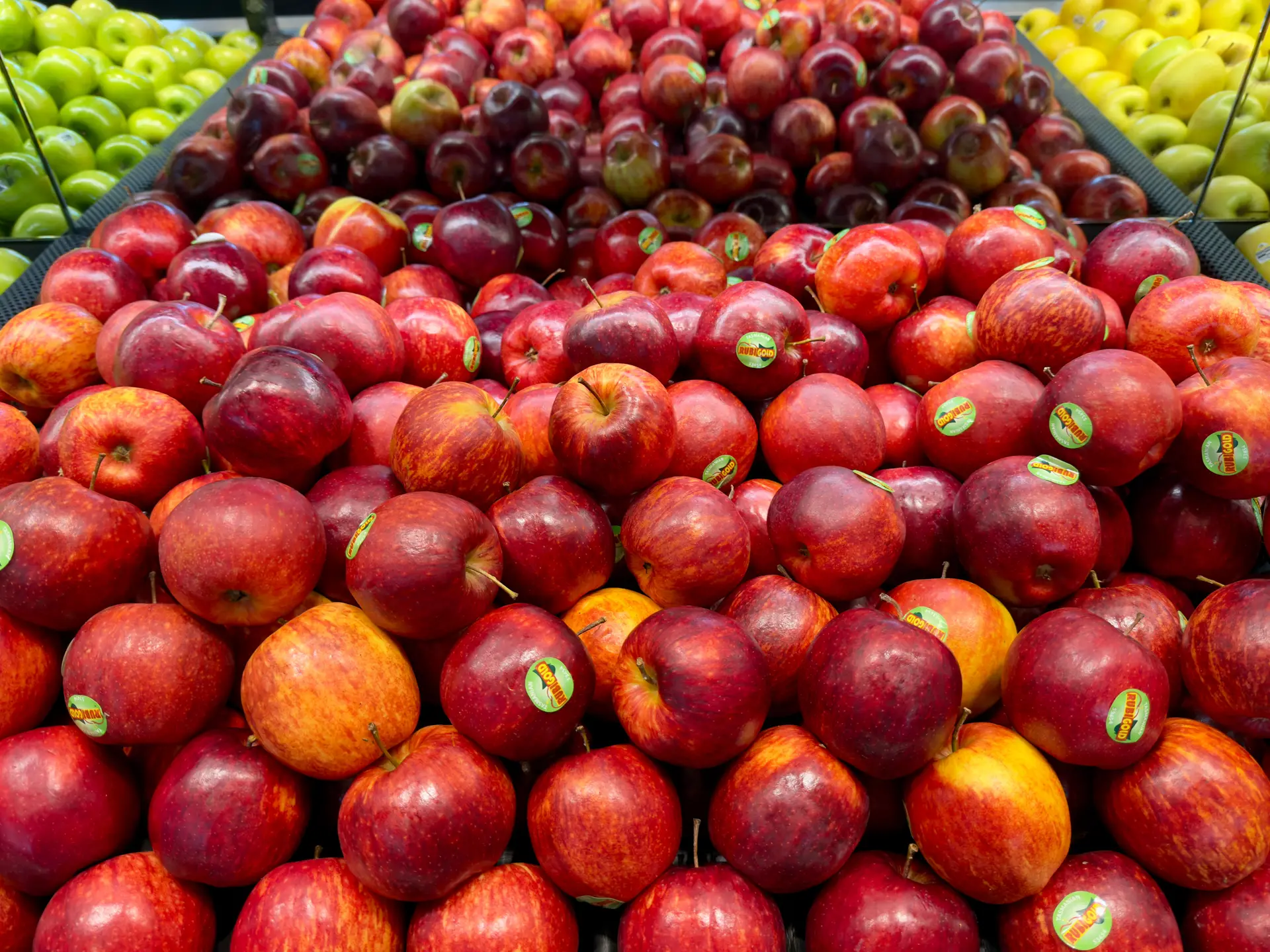
The sight of bare shelves or neon-green fruit in supermarket aisles across Australia has touched off the usual round of consumer angst. Cool weather across key growing regions in far north Queensland has temporarily crippled banana production, leaving major retailers like Woolworths, Coles, and Aldi struggling to keep stock on display.
Coming precisely when apple orchards have suffered from unseasonably hot conditions and summer stone fruit has not yet arrived en masse, the timing is inconvenient for households. Bananas are, after all, an Australian staple, regularly purchased by nearly nine out of ten households, followed closely by apples.
Yet the current shortage offers a neat case study in retail price distortion. Normally, when supply falters, rising prices naturally dampen consumer demand until equilibrium returns. But major Australian supermarkets routinely refuse to push banana prices beyond five dollars a kilogram. Fearing the wrath of price-sensitive shoppers, retailers prefer to hold the price line and subsidize margins through thousands of other grocery items.
As Anton van den Berg of delivery service Box Divvy observes, this artificially maintained price ceiling keeps consumer appetite unnaturally high. When a product remains cheap despite scarcity, buyers continue purchasing at standard volumes, accelerating the exhaustion of remaining inventory.
The contrast with international markets is instructive. While American consumers face banana supply friction caused by war-inflated transport fuel costs impacting refrigerated shipping routes, Australia’s supply chain is entirely domestic, relying on crops from Queensland, Western Australia, and the Northern Territory.
Official reassurances suggest the market will fix itself quickly. In a communication to shoppers, Woolworths stated that recent weather in far north Queensland has slowed the growth of bananas. Stock may be limited this week, but fresh stock is arriving daily. Representatives from the Australian Banana Growers' Council similarly stated that any shortage should soon correct itself as spring temperatures rise across northern farms.
For now, alternative options exist for pragmatic consumers. While navel orange and mandarin supplies are beginning their late-spring decline, mango quantities are climbing and their prices are dropping fast. Peaches and nectarines will follow in the coming weeks. Whether school children will accept a messy mango in place of a banana is a matter for domestic diplomacy, but the market will handle the rest.
Written by Christiane Hofreiter christiane.hofreiter@alpineweekly.com