Aug 31, 8:01 AM
The $3.6 Billion Illiquidity Mirage
With zero cash left for wages and a state bailout denied, administrator Teneo must convince private lenders to save active housing projects before Friday.
When a corporate empire accumulates nearly $3.6 billion in debt, one might assume its finance department keeps a modest reserve for mundane operational expenses like worker salaries. Yet for Sydney property developer Bathla Group, the reality is far starker. The company entered voluntary administration on 25 August, leaving administrators at Teneo to deliver the uncomfortable truth: there is simply no money left to pay staff or suppliers.
The financial precipice is so immediate that the firm risks folding entirely by the end of the week unless emergency private funding materialises. Some of Bathla’s 350 head office employees have worked without pay for eight weeks, operating on little more than faith that a financial saviour might emerge. Teneo is currently reviewing the headcount to identify which positions are truly indispensable, with redundancies looming even if the business manages to survive past Friday.
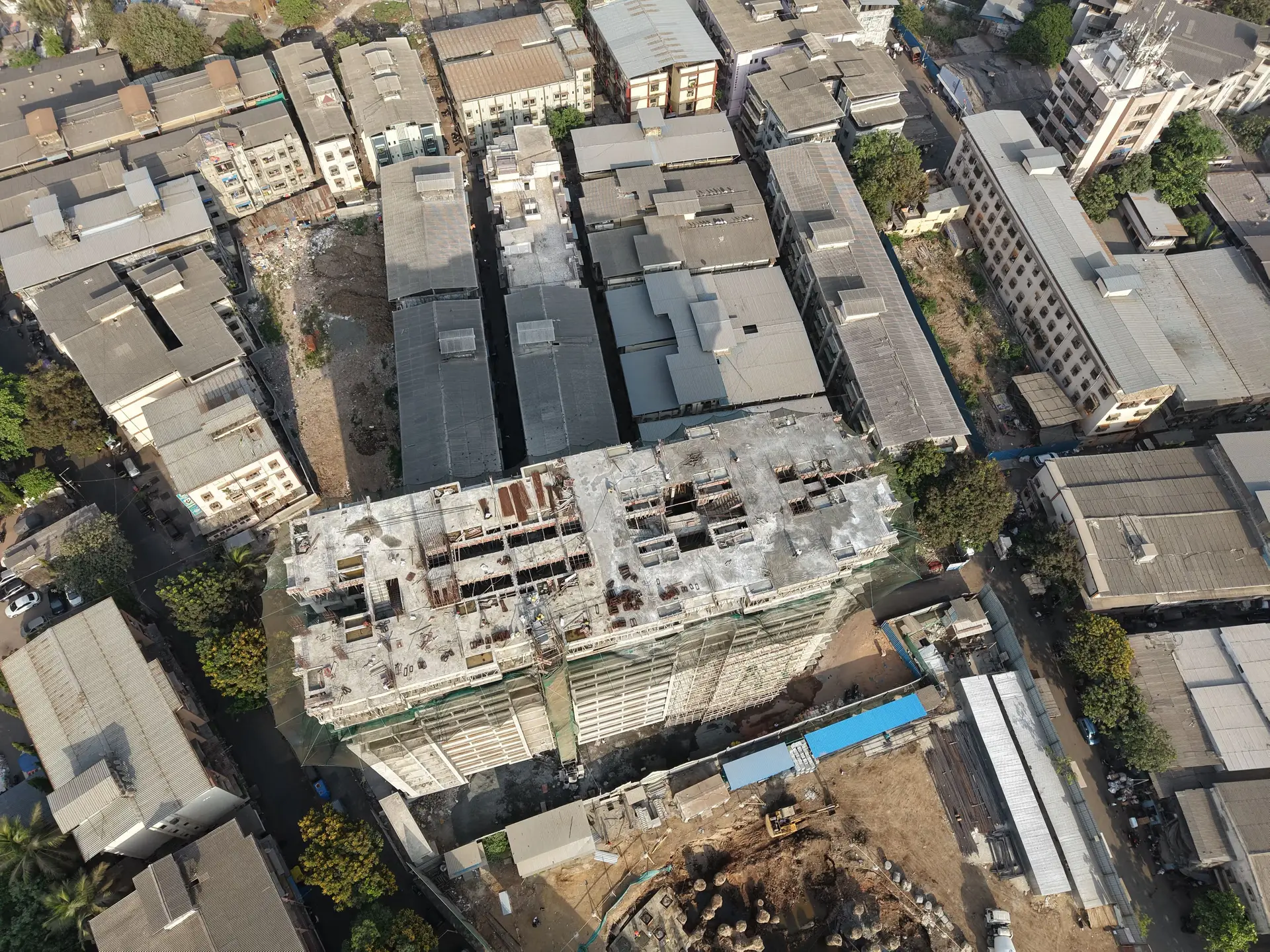
For home buyers, the fallout is equally grim. Bathla’s grand corporate ambitions—boasting a prospective pipeline of 20,000 apartments and 7,000 dwellings—have yielded a immediate reality where thousands of customers are stranded with half-finished houses. The administrators have already made clear that returning deposits to hopeful buyers is out of the question for now. Instead, Teneo is concentrating its meagre remaining operational focus on 45 active construction sites, attempting to rescue between 2,000 and 2,500 homes currently mid-build.
Naturally, the instinct in such corporate distress is to knock on the public treasury door. The New South Wales government, however, sensibly declined to grant a financial lifeline to the distressed builder. That decision forces the company back into the harsh light of private capital markets. Teneo has spent the week pitching potential creditors, striving to put together a rescue deal before a decisive meeting with lenders on Friday.
Whether private financiers choose to throw good money after bad remains the central question. In a market where reckless expansion and crushing debt obligations eventually catch up with their creators, Bathla stands as a textbook study in balance-sheet gravity. Lenders may well step in to salvage unfinished projects, but the illusion of infinite growth built on unpaid bills has already vanished.
Written by Thomas Nussbaumer thomas.nussbaumer@alpineweekly.com