Aug 25, 10:03 AM
Taxing the Void: Germany's Sugar Tax Expands to Sugar-Free Drinks
A proposed health levy has morphed into a blatant revenue grab, punishing consumers for choices the government previously encouraged.
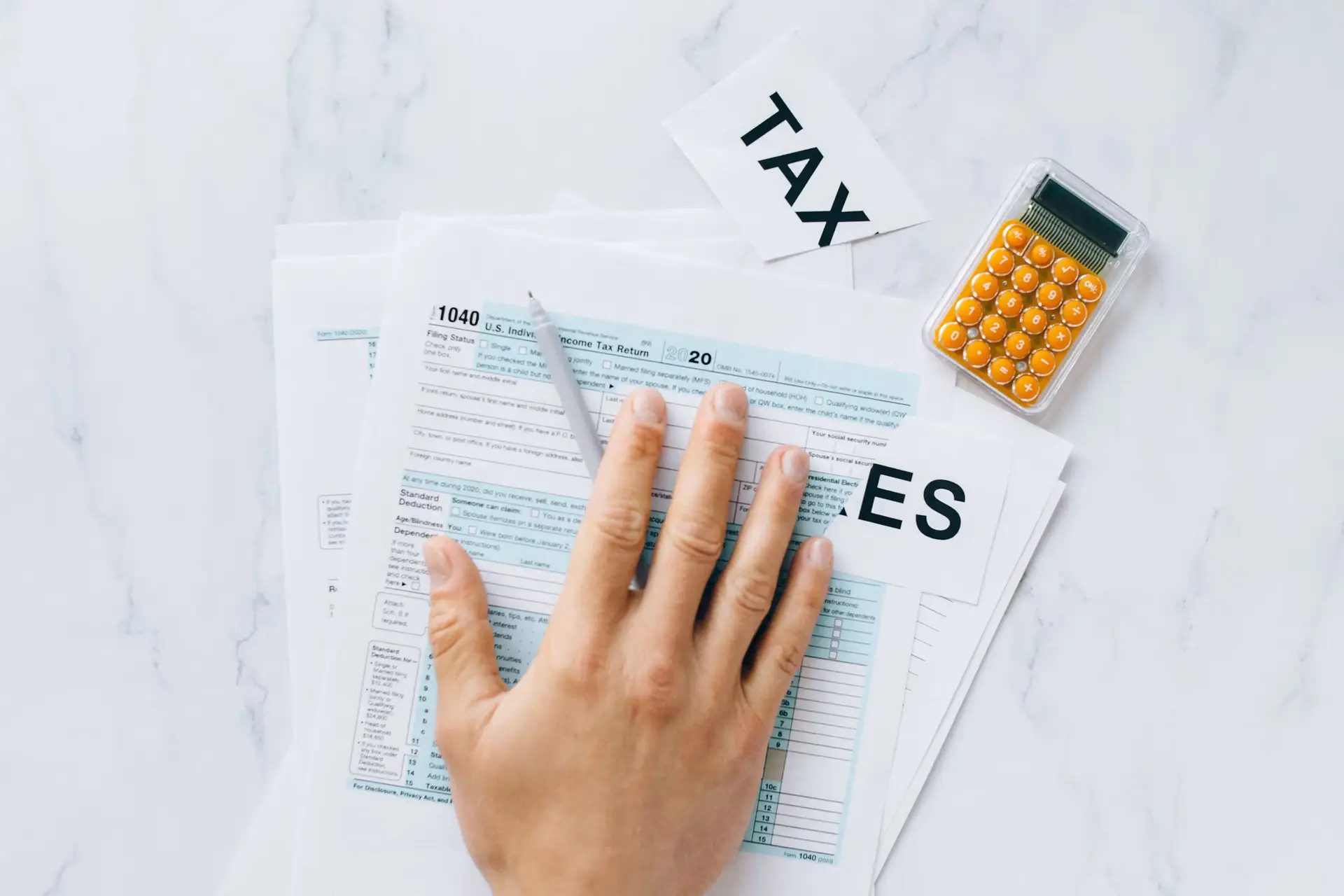
When a government runs out of money, linguistic creativity usually follows. Berlin is currently demonstrating this principle with its proposed fiscal assault on beverages. What was initially sold to the public as a well-meaning public health measure has quietly mutated into something far more ambitious. According to plans from the Federal Ministry of Finance under Lars Klingbeil, the government now intends to levy a sugar tax on drinks that contain absolutely no sugar.
The absurdity of taxing zero-calorie sodas under a health mandate perfectly encapsulates the current state of German policymaking. Citizens are increasingly squeezed to plug gaping holes in the national budget. The updated blueprint reveals a significant expansion of the state's reach into the consumer's shopping cart.
The threshold for taxation has been aggressively lowered to ensnare a broader range of products. Any beverage containing 4.5 grams of sugar per 100 milliliters will now trigger the base tax rate, down from the previously discussed five-gram limit. This adjustment captures a vast array of plant-based alternatives, such as oat milks, which often proudly advertise having no added sugar.
Consumers purchasing these products will face an extra 26 cents per liter. The fiscal ladder climbs steeply from there, with drinks containing more than seven grams incurring a 32-cent penalty. A newly created top tier will slap a 38-cent surcharge on beverages exceeding ten grams of sugar, while pure milk and fruit juices remain exempt.
Most remarkably, the 26-cent baseline penalty will also apply to beverages sweetened entirely with artificial alternatives. This decision contradicts the recommendations of the government’s own health finance commission. The original expert panel explicitly advised linking the tax to actual sugar content to incentivize manufacturers to reformulate their recipes.
By deliberately excluding artificial sweeteners initially, the panel offered a logical path toward harm reduction. Yet, the finance ministry has discarded this framework entirely. When presenting the 2027 budget, Klingbeil justified the intervention with a simple maxim: What makes you sick becomes more expensive. How a calorie-free sweetener fits into this epidemiological logic remains a mystery the ministry has chosen not to solve.
The mask slips when examining the structural changes to the levy. Initially pitched as an earmarked fund dedicated to the healthcare sector, constitutional hurdles have conveniently transformed the measure into a standard consumption tax. Revenues will flow directly into the general treasury, unbound by legal obligations to fund public health initiatives.
The true objective is illuminated by the projected windfall of an estimated 650 million euros in 2027, followed by roughly 450 million euros annually. This maneuver arrives as German households grapple with severe, over-proportional inflation and a stagnating economy. Rather than addressing the economic rot eroding wealth, the political class opts for indirect taxation disguised as moral instruction.
Written by Andreas Hofer andreas.hofer@alpineweekly.com