Oct 27, 9:01 AM
Silicon Mask: South Korea’s AI Boom Hides a Sullen Home Front
A massive leap in semiconductor exports shattered central bank forecasts, but local consumers are notably absent from the party.
Central bankers are rarely known for understated optimism, yet the Bank of Korea managed to miscalculate its own economy’s momentum by a remarkably wide margin. Back in August, monetary policymakers predicted a modest 0.3 percent quarter-on-quarter expansion for the third quarter. Instead, advance estimates show Asia’s fourth-largest economy surged by a full 1 percent between July and September, equating to a 3.4 percent year-on-year growth rate.
The catalyst for this unexpected acceleration is hardly a secret: the global obsession with artificial intelligence. South Korea has positioned itself as the indispensable foundry for the hardware underpinning the AI boom. Domestic tech titans SK Hynix and Samsung Electronics together command roughly 80 percent of the worldwide market for high-bandwidth memory and 60 percent of dynamic random-access memory. When international tech firms demand hardware, Seoul cashes the cheque.
Data from the Korea Customs Service illustrates the scale of this foreign appetite. In September alone, South Korean exports jumped by an astonishing 83.5 percent year-on-year to hit $120.9 billion, with semiconductors accounting for nearly half of those total shipments. Because exports generate roughly 45 percent of the nation's total output, a 2.3 percent quarterly rise in outward shipments—supplemented by machinery and electrical equipment—was more than enough to pull the rest of the ledger upward.
Capital expenditure naturally followed the export spike. Facilities investment expanded by 4.1 percent quarter-on-quarter, while investment in intellectual property grew by 2.3 percent and construction nudged up by 0.7 percent. With these tailwinds, Finance Minister Lee Hyoung-il pointed out earlier this month that annual growth could reach between 3.4 and 3.6 percent for 2026. If achieved, that would mark South Korea’s strongest economic expansion since 2011, excluding the artificial post-pandemic bounce, putting behind the sluggish 1 percent growth registered in 2025.
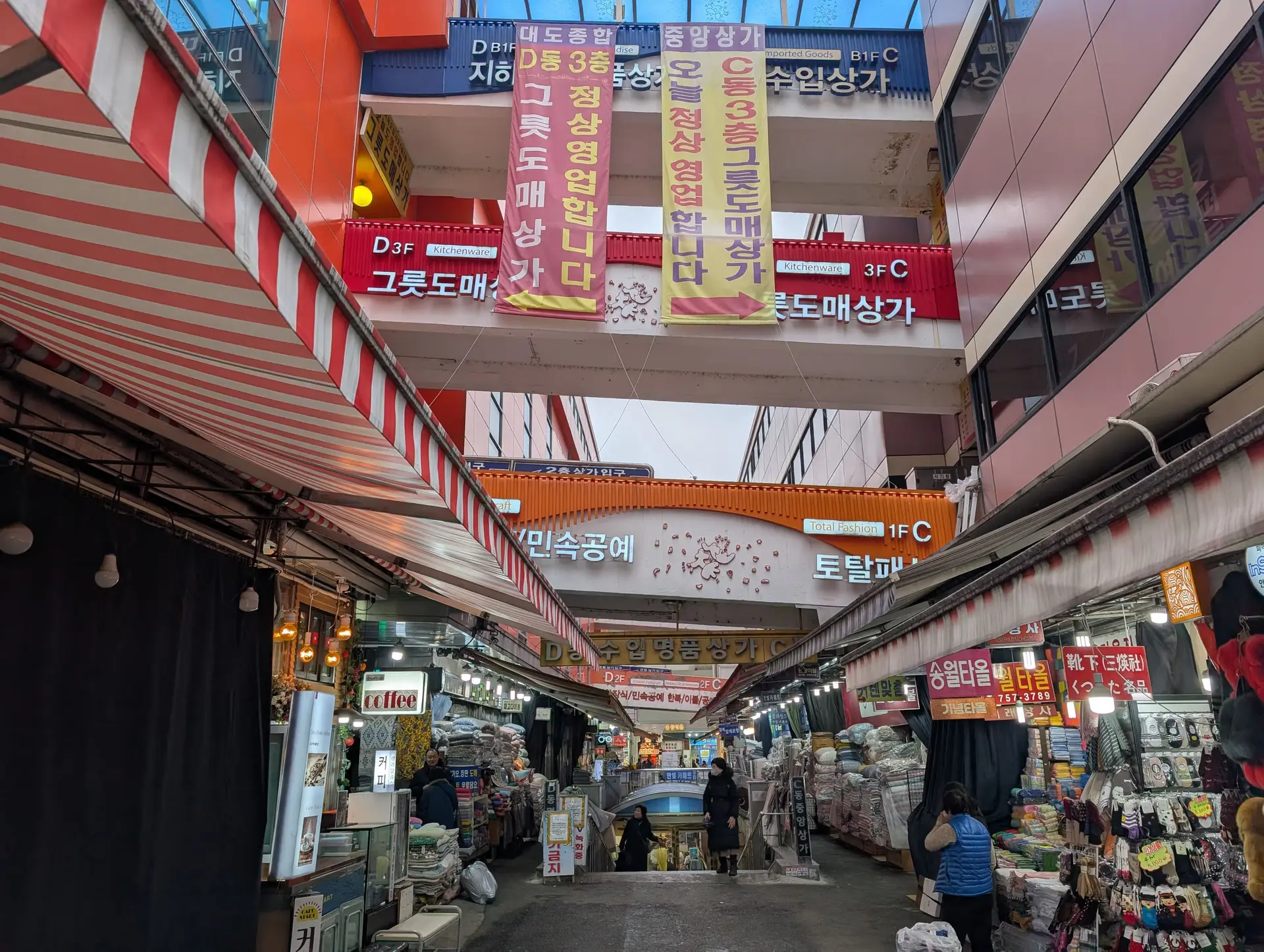
Yet beneath this glittering silicon facade lies a far quieter domestic economy. While capital equipment purchases flourished, private consumption actually contracted by 0.2 percent over the quarter. The average consumer, it seems, remains utterly unenthused by the frenzy surrounding server racks and memory modules. South Korea presents a textbook study in two-tier economic performance: a roaring export engine hitched to a hesitant domestic buyer. One might reasonably ask how long foreign silicon demand can continue to mask cold feet at home.
Written by Sandy van Dongen sandy.vandongen@alpineweekly.com