
Aug 31, 10:01 AM
Red Ink Above Full Cabins
Fuel spikes drag TAP into the red just as Lisbon prepares to sell a key stake.
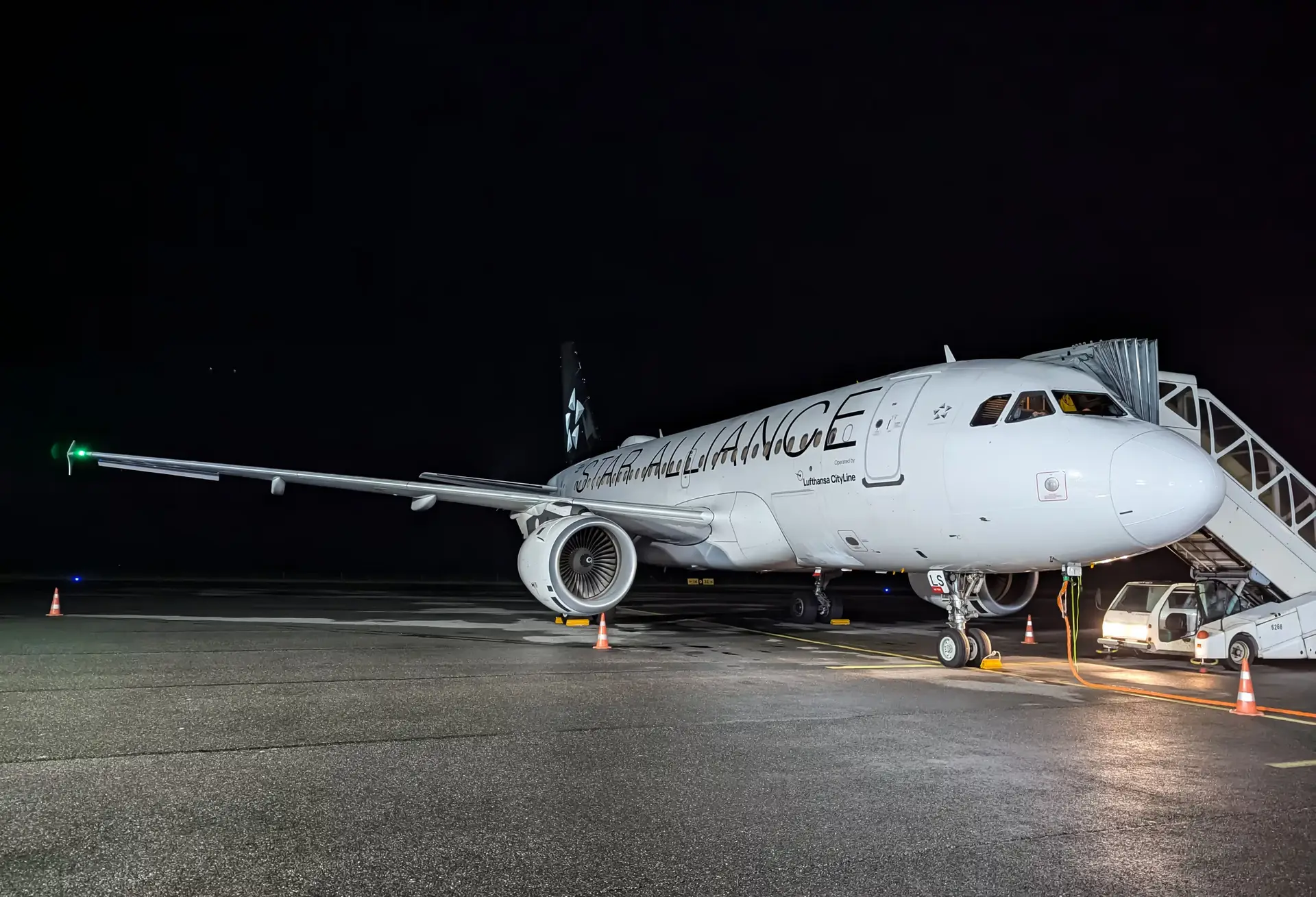
Filling planes has never been an automatic guarantee of making money in the aviation business. TAP Air Portugal demonstrated this classic industry paradox in the first half of the year, booking a net loss of 99.2 million euros despite carrying a record 8.2 million passengers. A sudden spike in jet fuel prices effectively wiped out the gains from a 4 percent rise in total operating revenues, which reached over 2 billion euros.
The culprit is familiar to market watchers: global geopolitical turbulence. As conflict flared in the Middle East, TAP's fuel bill climbed 18.7 percent over the six-month period, suffering an aggressive 52.3 percent surge in the second quarter alone. Because airlines sell tickets months before departure, chief executive Luís Rodrigues and his management team found themselves caught in a standard timing trap. Operating costs jumped instantly, while higher ticket prices could only be applied to future bookings.
The operational fundamentals, however, tell a far more robust story. Demand across strategic routes in Europe and South America pulled in 1.83 billion euros in passenger revenue, reflecting Portugal's steady position as a major transatlantic hub. Recurring EBITDA reached a healthy 181.9 million euros, even if recurring EBIT fell to negative 83.7 million euros under heavy depreciation and fuel pressure. Crucially, these half-year figures exclude the lucrative summer peak, where European carriers generate the bulk of their annual profits.
With its post-crisis restructuring plan wrapped up, TAP is rolling out a new strategic roadmap running through 2035. Yet the real pivot for the carrier sits in Lisbon’s government quarter. State holding company Parpública is submitting its final assessment of binding offers for a 44.9 percent stake in the airline to Prime Minister Luís Montenegro’s cabinet. Both Lufthansa and Air France-KLM have put their bids on the table.
While a 40 percent widening in half-year losses might look alarmist on a headline reader's screen, the underlying commercial interest from Europe's largest aviation conglomerates suggests otherwise. Market players recognize that geopolitical fuel spikes are temporary operational headwinds, whereas geographical advantage and rising transatlantic demand remain permanent assets.
Written by Andreas Hofer andreas.hofer@alpineweekly.com