Nov 9, 5:01 PM
Portugal Fuel Prices Drop as Global Crude Benchmarks Ease
A reduction in national tax discounts limits retail cuts for petrol and diesel despite falling international crude prices.

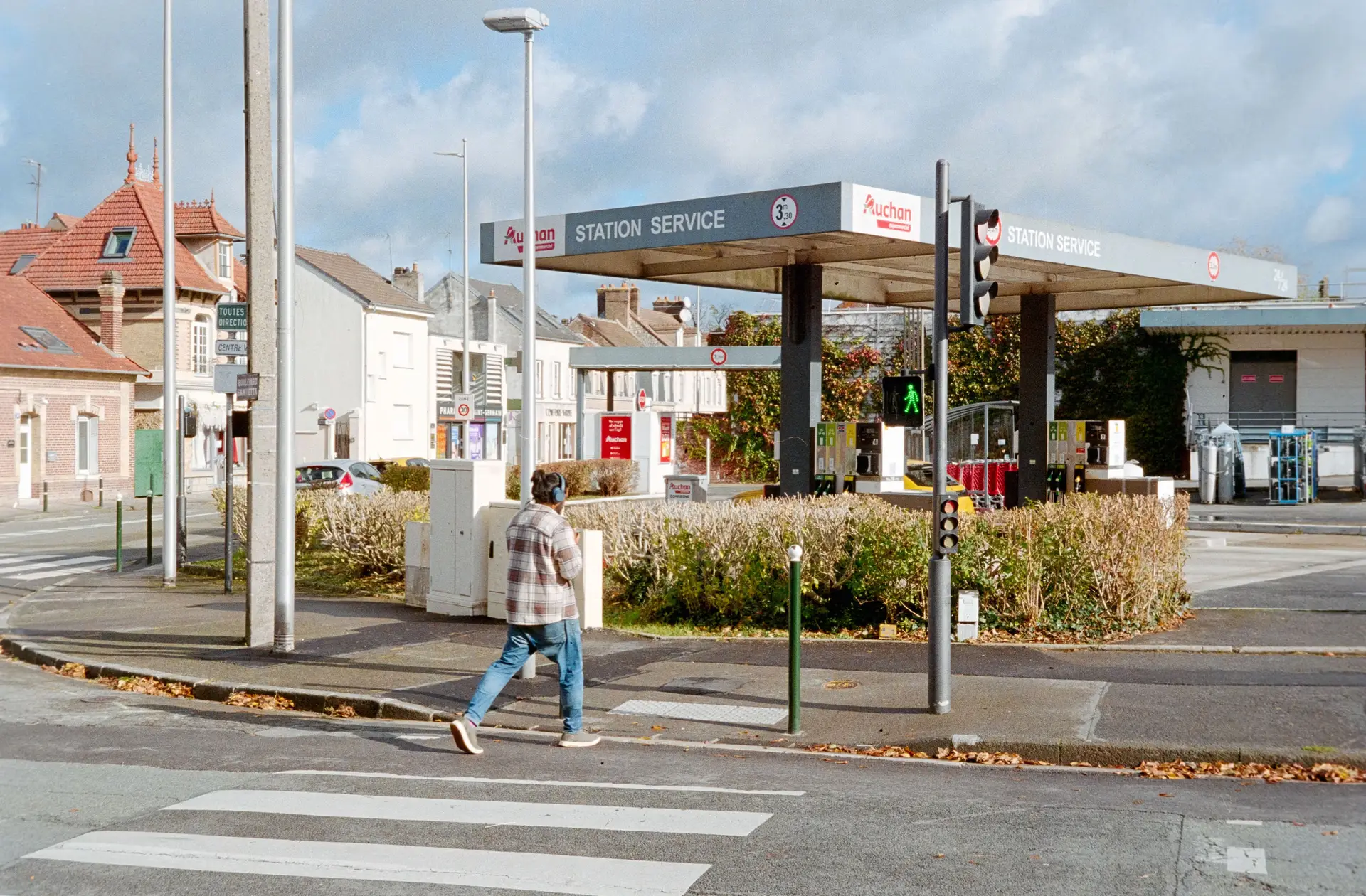
Fuel prices at service stations across Portugal fell on Monday, with petrol dropping by 9.5 cents per liter and diesel decreasing by 9 cents per liter. The price adjustments followed recent drops in international crude benchmarks, although a simultaneous reduction in national tax relief limited the full extent of the cuts at retail pumps.
Prior to the weekly price adjustments, projections published by the Automóvel Clube de Portugal (ACP) had anticipated larger declines of 12.5 cents per liter for petrol and 11 cents for diesel. The government, however, lowered the extraordinary discount applied through the Petrol Products Tax (ISP). Following the tax change, data from the simulator on the Directorate-General for Energy and Geology (DGEG) portal indicated prices at a central Lisbon service station of €1.92 per liter for regular 95 petrol and €2.13 per liter for premium diesel.
The retail price reductions coincide with lower international market rates for crude oil. Brent crude traded at $94.00 per barrel at 15:00 on Monday, after settling at $98.68 on Friday. That Friday closing price represented a drop of $15.11 per barrel, or 13.32 percent, compared to figures recorded on October 30.
Speaking to Rádio Renascença, Minister for the Environment and Energy Maria da Graça Carvalho stated that while international market trends point downward, retail price declines may proceed at a slow pace. She pointed to external constraints on global refining capacity, including damaged facilities in the Middle East, Russia, and Ukraine, which she noted would require extended periods to repair or reconstruct.
Carvalho added that global price levels directly affect Portuguese consumers despite the country's diversified crude oil sourcing. National supply data from 2025 indicates that Portugal sourced 42.3 percent of its crude oil from Brazil, 19.6 percent from Algeria, 10.6 percent from Nigeria, 10 percent from Azerbaijan, and 7.6 percent from the United States. International fuel market movements, influenced by ongoing security conditions in the Persian Gulf and the Strait of Hormuz, continue to determine domestic pump prices.
Written by Andreas Hofer andreas.hofer@alpineweekly.com