
Oct 18, 8:01 AM
Paving Over Energy Failure: Why Europeans Are Turning Driveways Into Solar Plants
Crushed by soaring energy bills and questionable policy decisions, private households across the continent are converting their patios into micro-power stations.
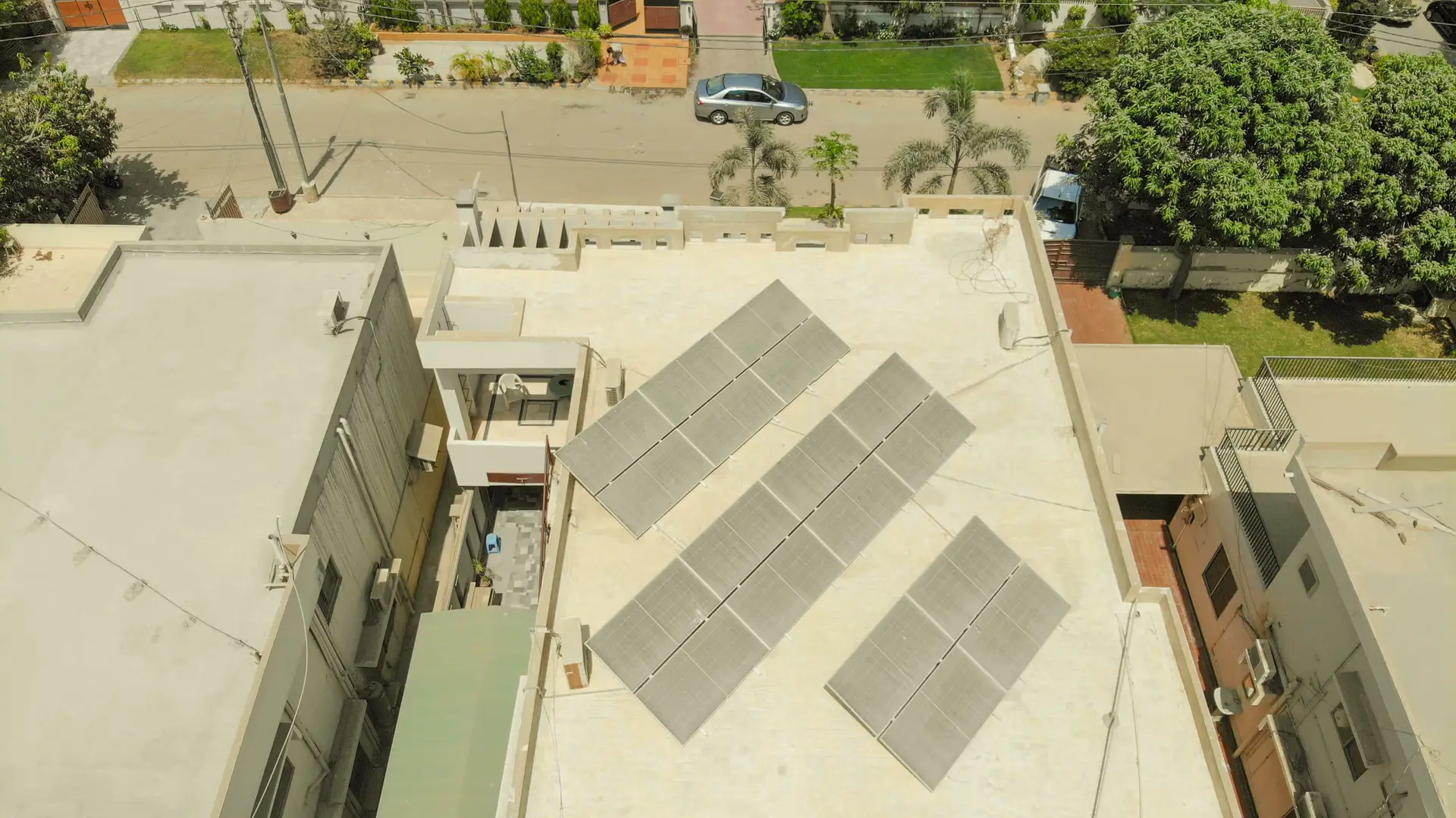
When ideological energy transitions collide with geopolitical realities, ordinary households are left to pay the price. Across Europe, where erratic planning and foreign conflicts have turned monthly utility bills into an existential hazard, citizens are finding remarkably grounded ways to cope. Deprived of reliable, low-cost baseload energy, property owners are now covering their driveways, patios, and courtyard paving with toughened photovoltaic glass.
The latest catalyst was yet another Middle Eastern crisis. As hostilities involving the United States, Israel, and Iran choked the Strait of Hormuz—a maritime bottleneck responsible for roughly a fifth of global oil supplies—fossil fuel prices soared once more. Industry group Solar Power Europe calculated that solar generation spared the European Union an impressive €40 billion in avoided gas imports during the turmoil. Yet, for the average consumer, retail electricity and gas bills remained stubbornly punitive.
Desperation invariably breeds private initiative. In Germany, where short-sighted energy choices have left households remarkably exposed to external price shocks, renewable firm Enpal BV reported a 30 percent surge in solar panel inquiries within weeks of the conflict erupting. Across the North Sea in the United Kingdom, energy supplier EON recorded customer interest in solar technology spiking by 23 percent in late February, followed by another 63 percent surge in early March.
Since traditional rooftops are not always structurally sound or unshaded enough for conventional solar arrays, market-driven ingenuity has lowered its gaze to the ground. PLATIO, a nimble Hungarian start-up, began developing walkable solar paving back in 2016 and now operates across 13 European nations. In 2018, the company equipped a family driveway in Kecskemét, Hungary, with a 1.7 kWp system capable of powering everyday household appliances like refrigerators and slow cookers. By 2021, they installed a 6.64 kWp array across an apartment courtyard near Frankfurt, generating sufficient potential output to cover the annual electricity demands of a standard three-bedroom home. In Britain, supplier SolarPave has pursued similar projects throughout Yorkshire, installing energy-harvesting surfaces on driveways and residential balcony floors.
These specialized glass-embedded panels rely on anti-slip, heavy-duty surfaces capable of bearing foot traffic and parked cars. Naturally, laying photovoltaic cells horizontally involves distinct engineering compromises. Flat alignment misses direct sunlight for most of the day, while accumulated dust causes roughly a three percent loss in generating performance, making exact financial payback periods tricky to project.
Still, as Global Solar Council Chief Executive Sonia Dunlop observed, households are embracing solar technology precisely because it offers a rare opportunity to reclaim control over private living costs after years of price chaos. When central planners fail to secure affordable energy, citizens will inevitably convert every sunny square metre of their private property into a personal power plant.
Written by Martina Kirchner martina.kirchner@alpineweekly.com