
Nov 12, 9:01 AM
Low Water Levels on the Rhine Disrupt Freight Traffic Between Switzerland and Germany
Severe bottlenecks at Kaub force bulk cargo off Europe's major waterway, creating logjams for industrial supply chains.
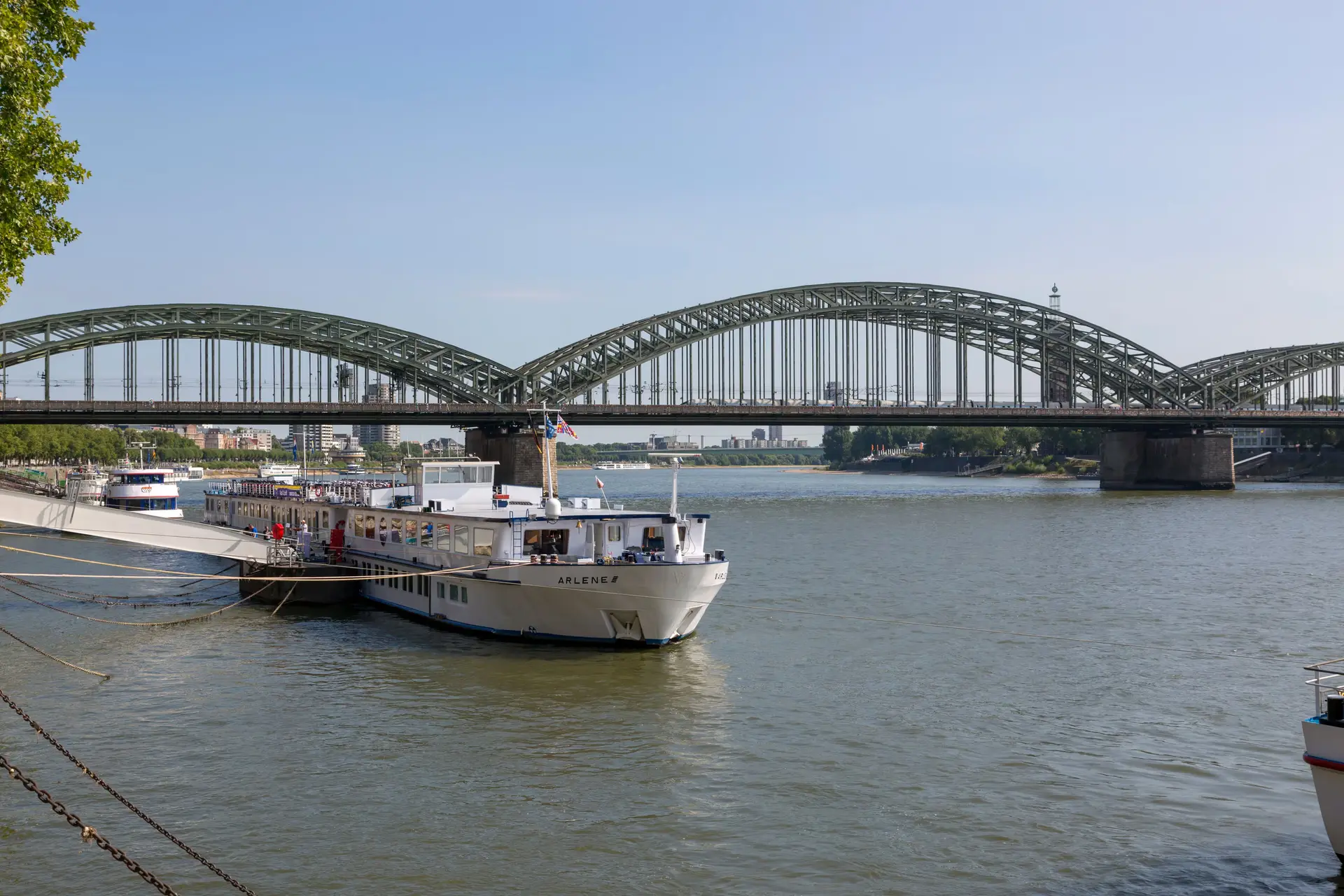
Low water levels on the Rhine River have disrupted commercial freight traffic between Switzerland and North Sea ports, effectively splitting one of Western Europe's most vital inland waterways into two operational sections. The bottleneck at Kaub, located near the Loreley in Germany, has seen water depths drop to record lows since the summer. According to logistics operators, even unladen barges have at times been unable to pass the shallow section downstream from Karlsruhe.
The disruption heavily affects the cross-border transport of industrial materials such as scrap metal, which is routinely shipped from Switzerland to steelworks in Germany and Belgium. At the port of Birsfelden near Basel, vessels like the 110-meter cargo ship Spintore can load up to 2,000 metric tons of freight. While navigation remains possible on the upper Rhine between Basel and Kehl, shipments intended for destinations further north remain halted at central German choke points.
Shifting bulk freight from river barges to alternative transport modes has proven difficult due to severe capacity constraints. Tobias Maier, head of operations at the Swiss recycling firm Thommen, stated that replacing a single 2,000-ton cargo vessel would require nearly 100 trucks and as many drivers, compared to a four-person ship crew. Freight options by rail are similarly restricted because locomotives and railcars are in short supply across Europe following years of reduced rail freight capacity and sudden demand surges from other industrial sectors.
The supply bottleneck threatens European steel producers, which rely on scrap metal to lower carbon dioxide emissions compared to primary steelmaking from iron ore. Logistics representatives note that continued delays in raw material deliveries may force some processing plants to throttle production. Beyond industrial scrap, the Rhine serves as the primary corridor for Swiss imports of fuel, fertilizer, animal feed, and construction materials, as well as export containers bound for Rotterdam and Antwerp.
Logistics companies expect low water levels to persist until at least the end of November, with significant relief not anticipated until the onset of spring snowmelt in the Alps. Until sustained precipitation raises river levels, shipping operations along the central stretches of the Rhine will remain strictly curtailed.
Written by Martina Kirchner martina.kirchner@alpineweekly.com