Nov 12, 5:01 PM
Kiel Economist Calls for Tax Increases to Cover German Budget Gap
An analysis by the Kiel Institute estimates annual consolidation requirements of 25 billion euros between 2028 and 2038.
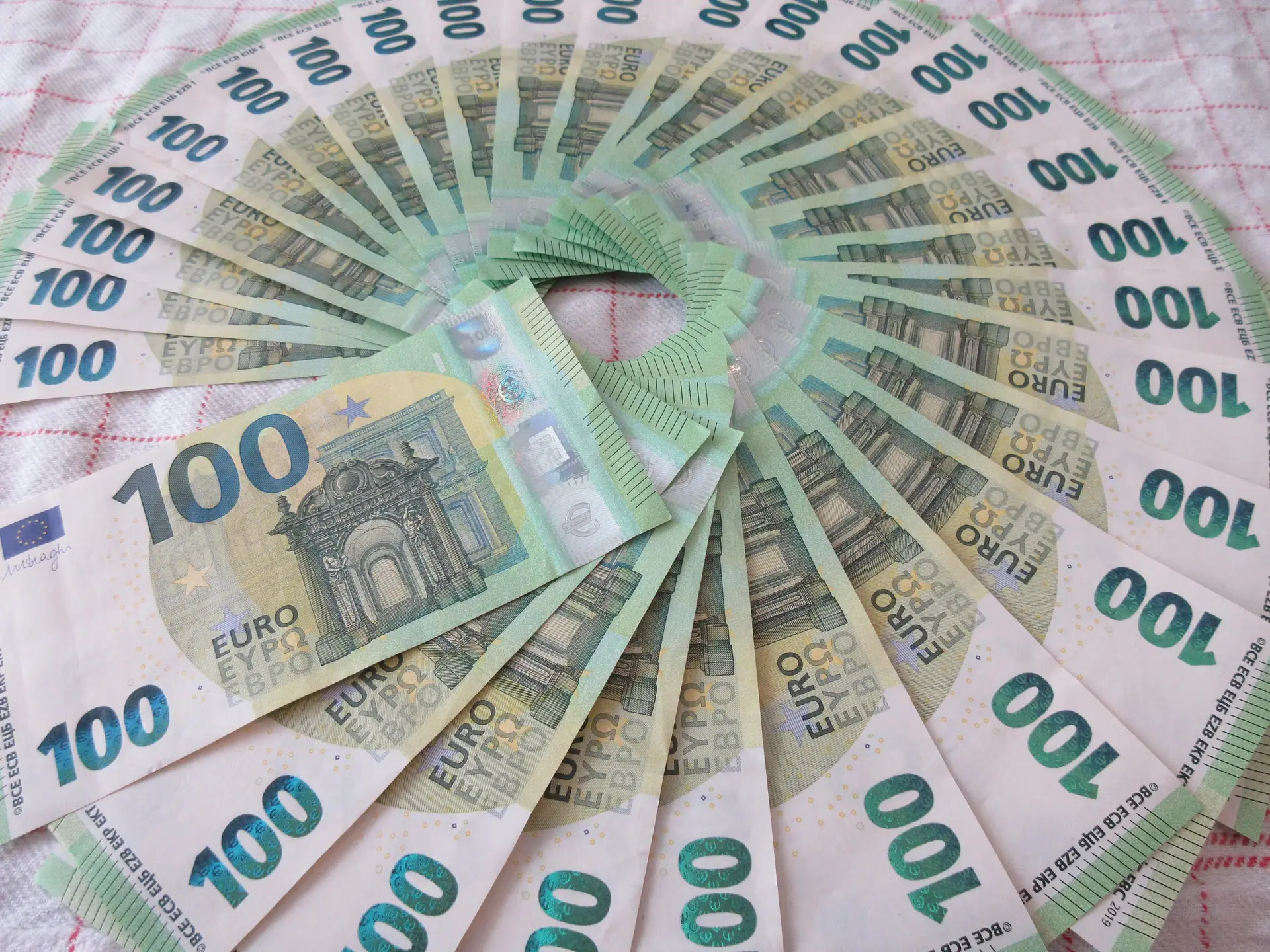
Economist Jens Boysen-Hogrefe of the Kiel Institute for the World Economy has published an analysis recommending tax increases to comply with Germany's constitutional debt rules. According to the study, the federal government faces an annual consolidation requirement of approximately 25 billion euros between 2028 and 2038, even with existing off-budget funds and borrowing exemptions in place.
Between 2019 and 2025, public expenditure in Germany rose by around five percentage points relative to gross domestic product. Adjusted for economic fluctuations and capacity utilisation, the increase stood at three percentage points. Although Berlin created a 500-billion-euro special fund for infrastructure and climate neutral measures and exempted defense spending above one percent of economic output from the debt brake, the study projects a cumulative deficit gap of 4.6 to 5.1 percent of gross domestic product over the ten-year period, depending on interest rate developments.
Boysen-Hogrefe stated in his paper that avoiding revenue-raising measures entirely would be politically difficult to enforce. He suggested examining higher inheritance taxes, revisions to value-added tax rules, passenger car tolls, and university tuition fees to shift costs toward service users. The study did not specify exact tax rates, identifying the measures as independent calculations rather than official government proposals.
The analysis also accounted for anticipated rises in social security contributions. Combined contribution rates for social insurance are projected to increase by four to six percentage points between 2028 and 2038. Because a portion of these contributions can be deducted from taxable income, higher social rates are expected to reduce direct tax revenues further, expanding the total amount of fiscal consolidation needed.
Written by Christiane Hofreiter christiane.hofreiter@alpineweekly.com