Aug 14, 6:01 AM
High Anxiety: Air India's Desperate Bid to Sober Up Its Cockpits
Following a terrifying altitude drop and a pilot's alleged marijuana use, the carrier is rolling out mandatory drug tests to salvage its battered reputation.
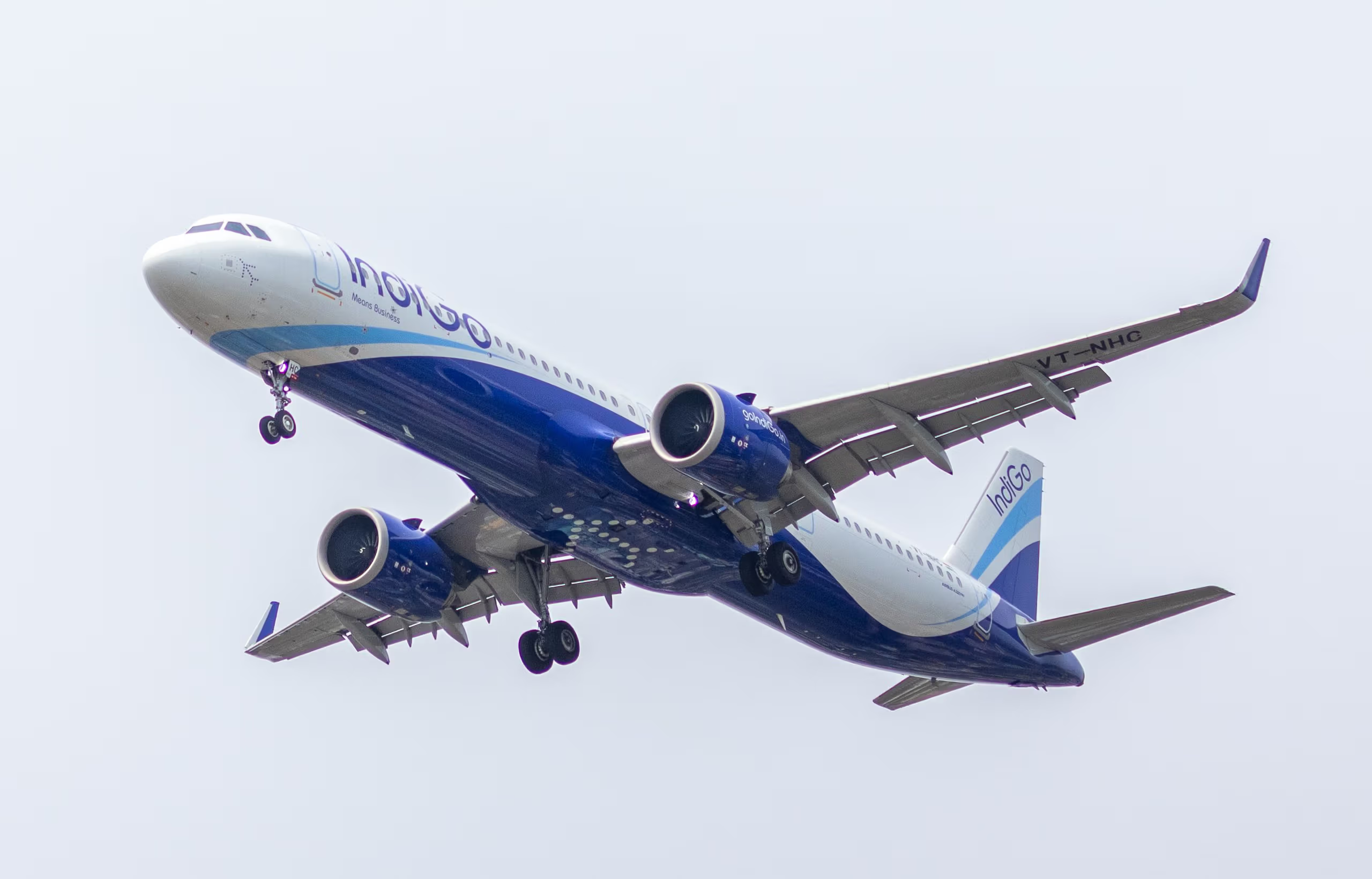
One might assume that operating a multi-million-dollar commercial airliner precludes the recreational use of narcotics. Yet, the basic assumptions of aviation safety have apparently required a sudden, drastic revision at Air India. Following an alarming incident on a flight from Phuket to Delhi, the carrier is now imposing mandatory substance testing on all of its pilots. The trigger for this sudden burst of corporate vigilance was an abrupt 300-foot loss of altitude on August 4, which left seventeen passengers and crew injured. Preliminary reports suggest the senior pilot was required to retake a substance test, subsequently testing positive for marijuana.
Until now, the airline adhered to the modest regulatory minimum, subjecting a mere ten percent of its flight crews to random screening. The new mandate, effective immediately, extends across the entire operation, dragging the budget subsidiary Air India Express into the testing net as well. In an internal communication, management declared that it was important to go further than the mandated minimums. The company stated: This initiative, which goes beyond regulatory requirements, reflects our determination to uphold the highest standards of safety and professionalism, and to provide reassurance to our passengers, stakeholders and the community at large.
Reassurance is certainly in short supply. A corporate commitment to professionalism is easy to draft in a memo, but it rings hollow when viewed against the airline's recent operational history. The carrier is still reeling from a catastrophic failure in June 2025, when an Ahmedabad-to-London flight crashed shortly after take-off. That disaster claimed 260 lives—241 on board and 19 on the ground—leaving a solitary survivor. Against such a grim backdrop, ensuring pilots are not under the influence of illicit substances or prohibited medications feels less like a proactive safety culture and more like belated damage control. Testing will now be conducted at training academies, briefing centres, and administrative offices.
The investigation into the August altitude plunge is currently being handled by Indian authorities, aircraft manufacturer Airbus, and France's air safety agency. One might wryly observe that relying on the heavily bureaucratised French state apparatus—a system currently presiding over its own domestic economic malaise, alarming public finances, and social fracturing driven by failed integration policies—to untangle the failures of an Indian carrier adds a certain layer of administrative irony to the proceedings. Meanwhile, both pilots involved in the Phuket incident have been suspended pending the inquiry's outcome.
The task of steering this troubled enterprise out of its current turbulence now falls to Tewolde Gebremariam. The former Ethiopian Airlines chief executive assumed control of Air India just last week. He inherits a legacy carrier that must now publicly verify the sobriety of its workforce just to maintain a thin veneer of operational credibility.
Written by Freya Stensrud freya.stensrud@alpineweekly.com