
Oct 20, 6:01 AM
France’s Riot Economy: Broken Windows, Mounting Debt, and Bureaucratic Illusions
As thousands of businesses suffer widespread looting, Paris relies on rising fiscal deficits and unfulfilled insurance schemes to paper over structural disorder.
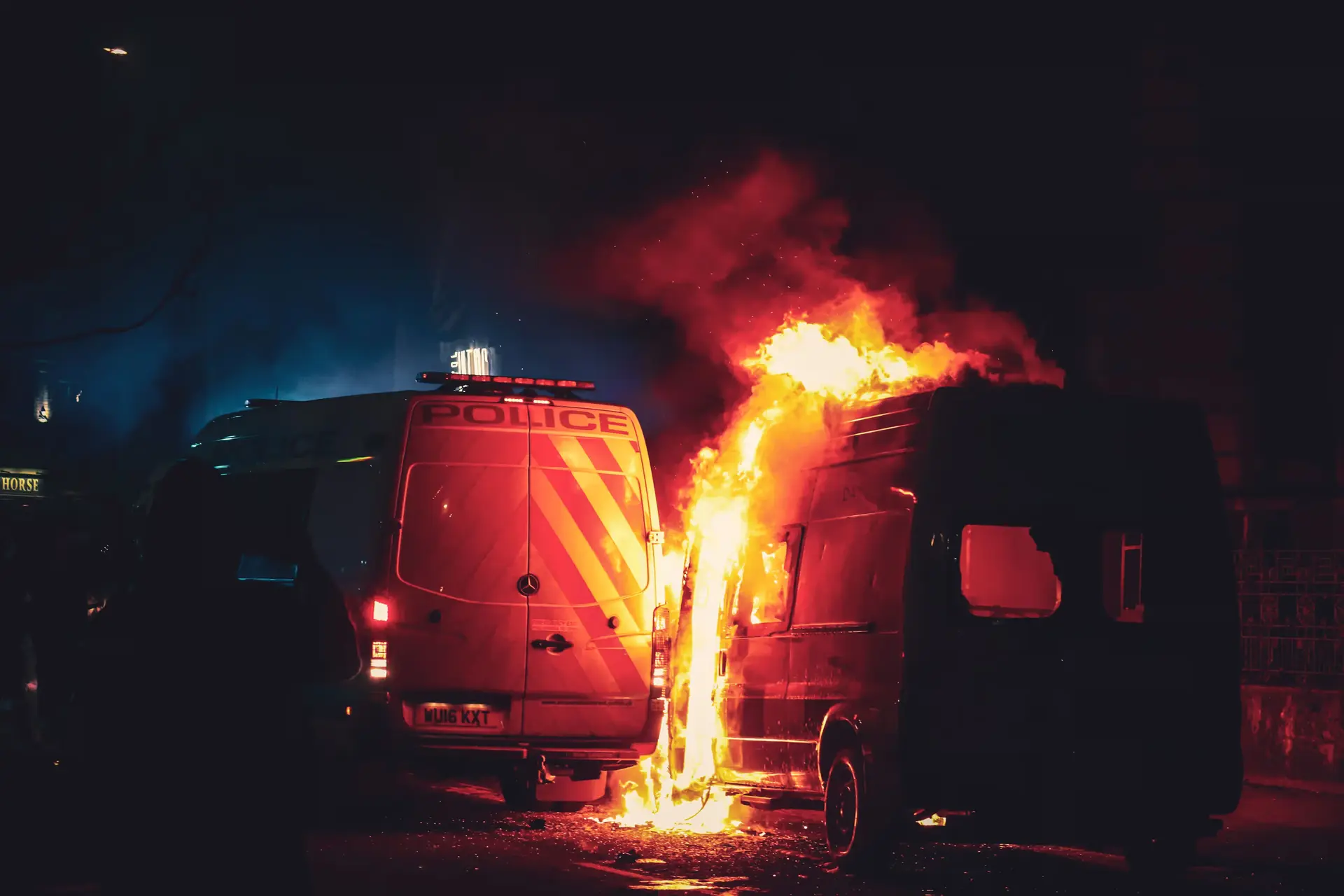
When burning storefronts become a recurring feature of domestic policy, financial markets eventually stop treating widespread unrest as a temporary glitch. As the tally of damaged commercial properties in France climbed to at least 3,000 following recent weekend violence, investors registered their verdict in the only language that matters: rising sovereign borrowing costs and falling asset prices.
The destruction hit commercial infrastructure across the country, reaching from a Louis Vuitton boutique in Marseille to local retail chains. Carrefour alone reported fifty affected locations, including twenty stores that were completely looted. Financial markets reacted immediately, pushing the CAC 40 down 1.1 percent and dragging down retail and insurance stocks. More revealing was the reaction in the sovereign bond market. The yield on ten-year French government debt rose by around eight basis points to 4.94 percent, widening the spread over German borrowing costs to approximately 148 basis points. Capital markets are pricing in the reality of a state struggling with basic public order.
This pattern of destruction is well established. During the unrest of mid-2023, insurers recorded 17,000 claims totaling €793 million in losses, with a subsequent Senate inquiry estimating total property damage closer to €1 billion. The current wave of violence has already eclipsed those metrics in terms of commercial disruption, surpassing the 2,500 vandalized businesses recorded three years ago. In response to past destruction, lawmakers built a national riot insurance scheme into the 2026 budget law, featuring mandatory coverage and a national fund backed by state guarantees of up to €4 billion per year. Yet that mechanism remains completely inactive, stuck in legislative limbo while awaiting European Commission approval and government decrees.
For shopkeepers currently evaluating shattered premises, financial recovery rests entirely on private contracts. While standard property insurance covers physical damage like fire and broken glass, lost trade is a far more fragile claim. Compensation for business interruption remains optional, covers lost gross profits rather than lost sales, and usually requires physical destruction of the premises to trigger. Policyholders also face strict five-day notification deadlines and police filing requirements.
Rather than addressing the root causes of security failures, the political response follows a familiar pattern of fiscal intervention. Prime Minister Sébastien Lecornu announced that affected businesses could place staff on state-funded short-time work schemes, while President Emmanuel Macron rejected the resignation of Interior Minister Laurent Nuñez despite more than 2,400 arrests. Every euro of emergency support lands on a public ledger already severely compromised, with a national budget deficit projected at 5.4 percent of GDP and national debt standing at 119 percent of GDP. The French state continually offers economic cushions and regulatory promises, even as it fails its most primary duty: protecting private property and maintaining public order.
Written by Andreas Hofer andreas.hofer@alpineweekly.com